Decision path
Vehicle profile
BYD Seal Performance AWD
The Seal competes on value, comfort, and battery packaging, giving buyers a real alternative to premium-brand sedans in many global markets.
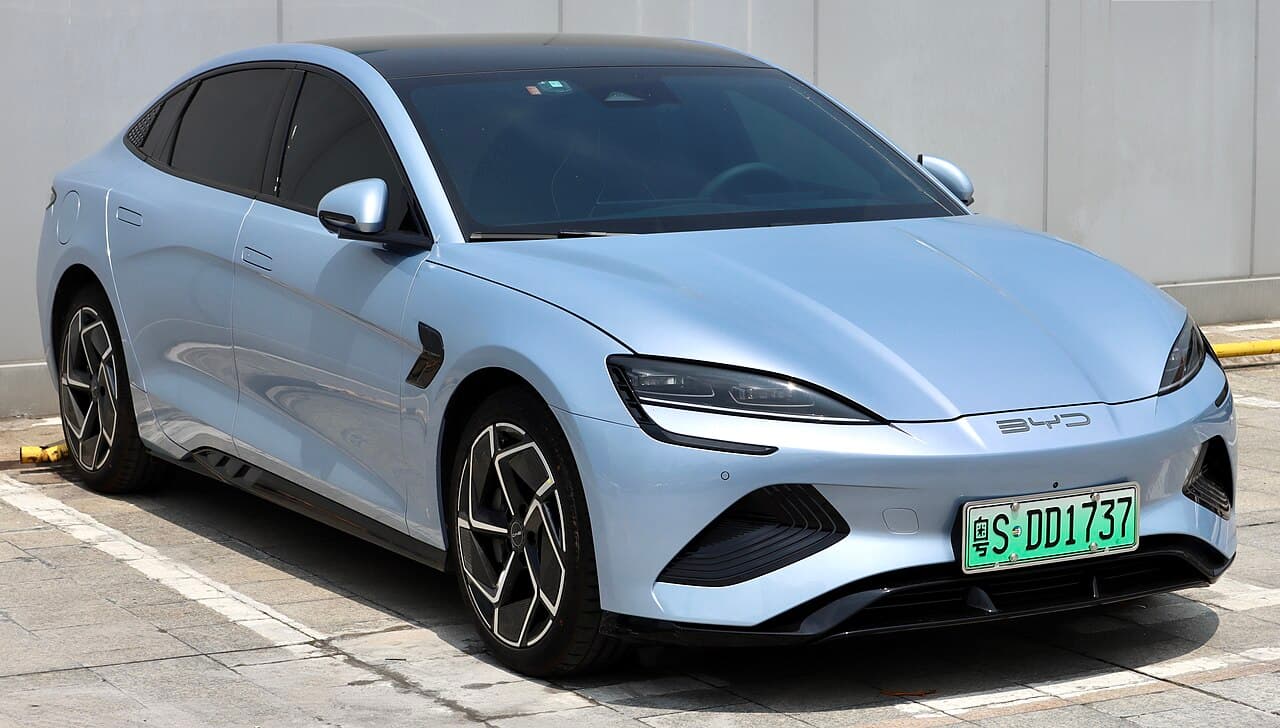
BYD Seal works best when value seekers and predictable charging matter more than headline acceleration.
Buyer verdict
Who this EV suits best
Best for buyers who want strong EV fundamentals and generous equipment without paying for badge-driven pricing.
Value seekersComfort-biased buyersSedan shoppers
What to watch
Ownership notes before you buy
- Charging network advantage depends heavily on local infrastructure.
- Software and ecosystem maturity can vary more by market than Tesla.
Reviewed 2026-03-07
Specs that affect ownership
Focus on the numbers that actually change the experience.
Use it to judge long-distance confidence, not just brochure appeal.
Helps explain charging stops and expected efficiency.
Real-world convenience still depends on the chargers near you.
Shows where this recommendation is most likely to translate well.
Next comparisons
See where this EV wins and where it gives something up.
Tesla Model 3 vs BYD Seal
This is one of the clearest global EV comparison battles: Tesla brings charging-network confidence and efficiency, while BYD pushes hard on perceived value and comfort.
Verdict: Choose the Model 3 if charging convenience and efficiency dominate your decision; choose the Seal if equipment value and comfort matter more.
Sources
Where these facts come from
Next step