Best electric scooter for college students in India
College students need a scooter that is affordable to buy, cheap to run, easy to charge in a hostel or shared accommodation, and low-risk if stolen or damaged.
Quick take
Under ₹1.2 lakh, the Ola S1 Pro offers the best combination of range and performance. For absolute budget, the BGauss C12 works for short campus commutes. Avoid swap-battery models unless a swap station is very close — the network dependency is a real risk.
What actually matters
Budget: most students are working with ₹70K–₹1.2L
Charging: hostel/PG charging access is often limited to a plug point, not a dedicated charger
Locking and security: lightweight models are easier to manoeuvre and chain-lock
Service: a local dealer matters more for students who cannot afford long service waits
Resale: a mainstream brand (Ola, TVS, Bajaj) holds value better than niche brands
Best fits
The scooters most likely to work for this situation
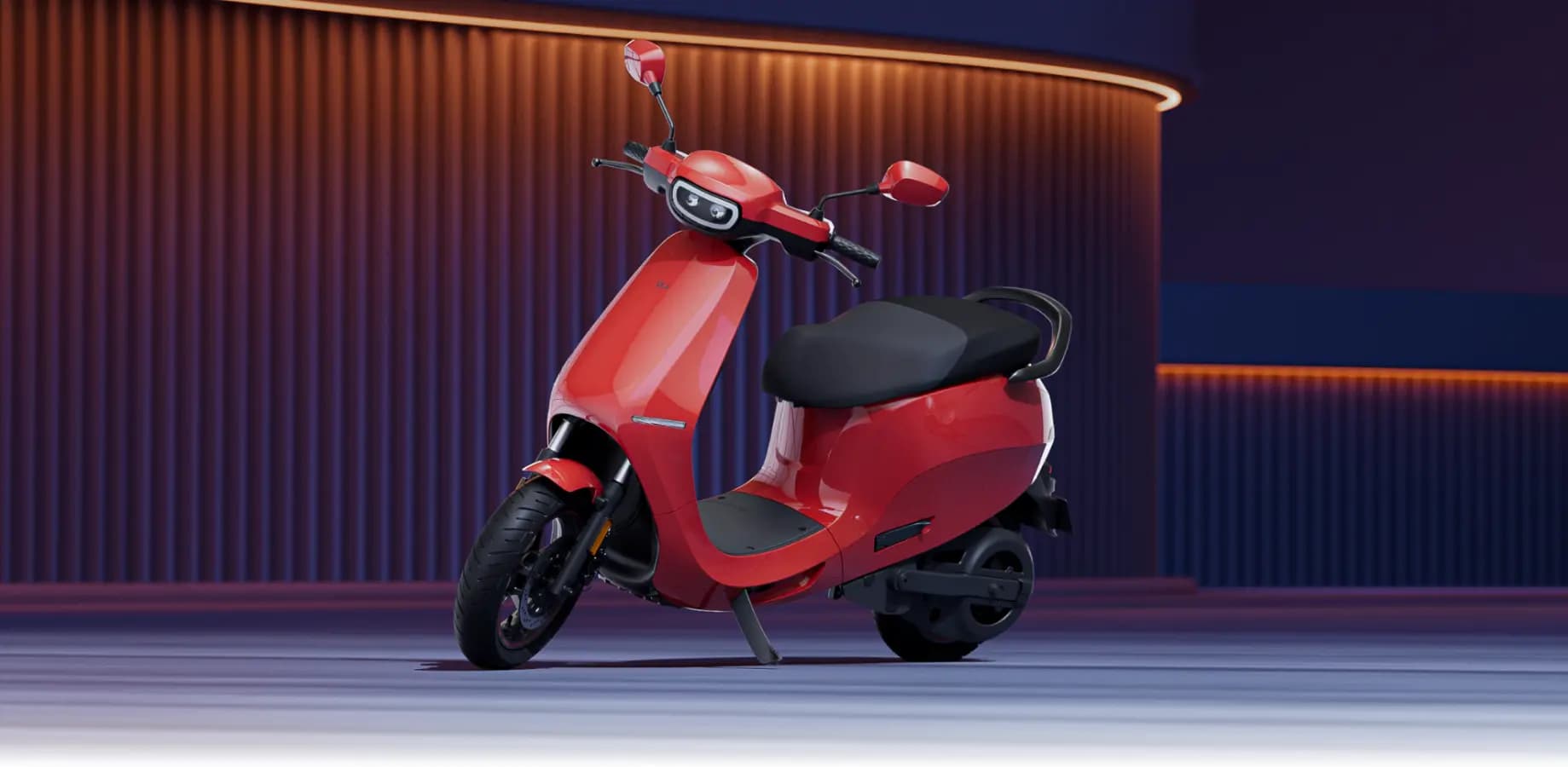
The highest-spec mass-market electric scooter in India. Strong performance and a large battery, but service network and software maturity are ongoing concerns. Best for confident early adopters in well-served cities.
Price: ₹1,70,338 · Range: 120–140 km
Ola service network quality varies significantly by city
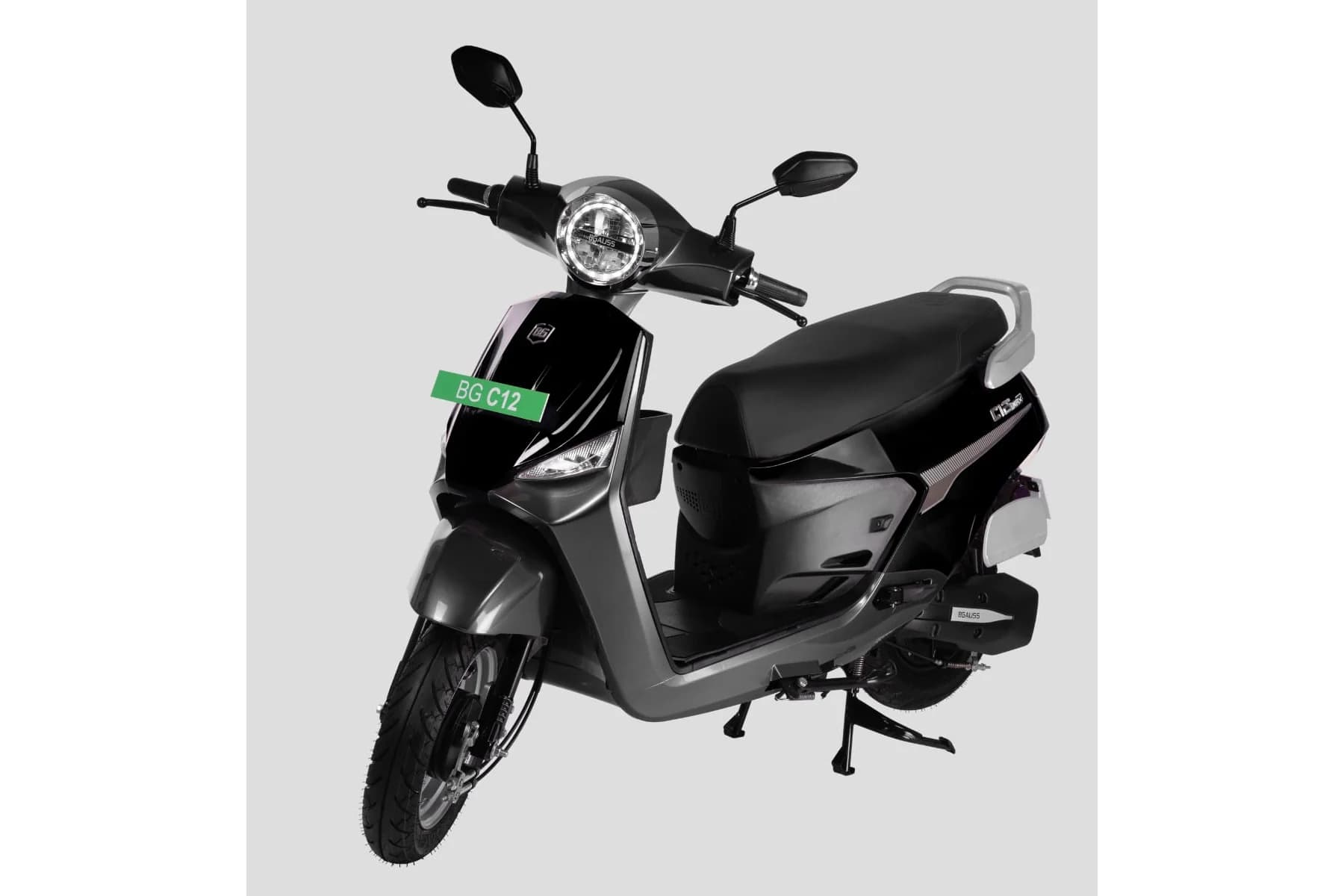
BGauss C12 is one of the few fixed-battery options close to the ₹1 lakh mark. Practical for short urban commutes, but the limited service network makes it a risk outside its home market. Worth considering only if a dealer is nearby.
Price: ₹1,09,990 · Range: 65–75 km
BGauss is a niche brand with limited service network outside Maharashtra
Lower range and performance than mainstream competitors
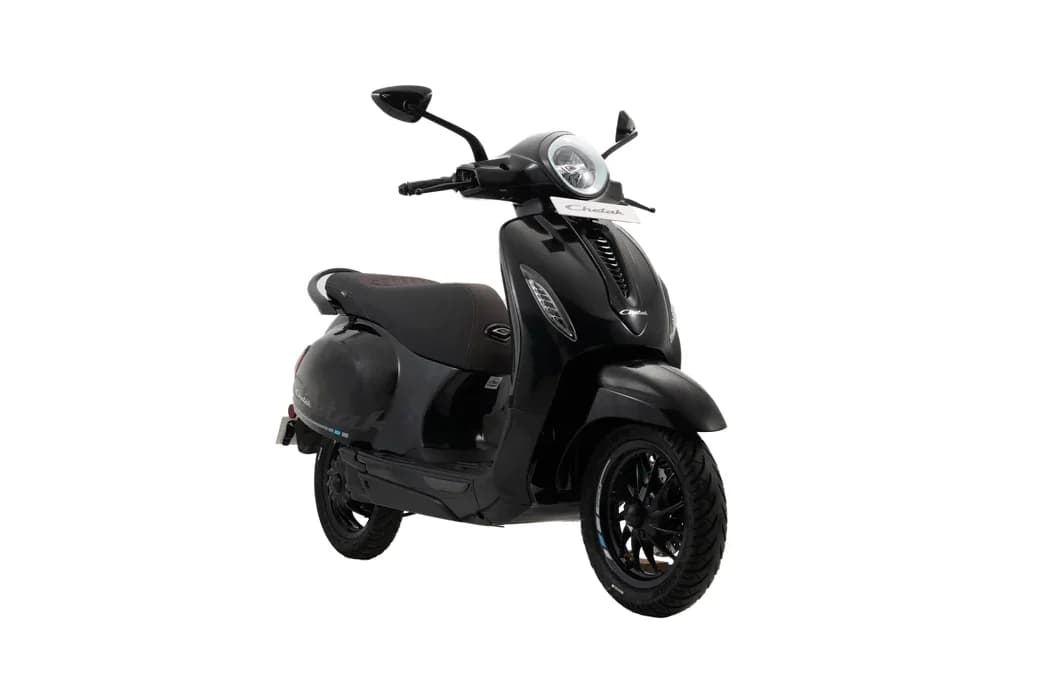
The C3501 is the top of the Chetak range: the same 3.5 kWh fixed battery and 153 km claim as the C3502, but with a 5-inch TFT touchscreen, full map navigation, keyless ignition, remote start, hill hold, reverse assist, OTA updates and geo-fencing on top. Hardware is otherwise familiar Chetak — a steel body, BLDC hub motor, 80 km/h, 12-inch alloys on tubeless tyres, a 200 mm front disc and 130 mm rear drum with CBS, single-sided leading-link front suspension, 168 mm ground clearance, a 775 mm seat, 35 litres under the seat and 5 litres up front, with 0-80% in three hours on the bundled 950 W charger and a 3-year / 50,000 km warranty. Bajaj claims 153 km; we would plan around 105 to 125 km in real city use. Best for riders who want every Chetak feature and will pay roughly ₹12,000 more than the C3502 to get the screen and connected kit.
Price: ₹1,57,140 · Range: 105–125 km
The 153 km figure is Bajaj’s own claim; the 105-125 km band shown here is our estimate, not an official number. No owner-reported range is published for the C3501 specifically, so we worked back from the 3,500 Wh pack at roughly 28-33 Wh per km of city consumption.
It is the most expensive Chetak by a wide margin at ₹1,57,140 ex-showroom (about ₹1.62 lakh on-road in Delhi), against ₹1,44,939 for the C3502 and ₹1,29,157 for the C3503 — all three share the same 3.5 kWh battery, and the C3502 claims the same 153 km.