Choosing the right electric scooter for a daily commute depends on your one-way distance, charging access, and whether you ride on arterial roads. This page maps the options.
Quick take
For commutes under 30 km one-way, most electric scooters work. For 30–60 km commutes, prioritise real-world range and a reliable charging setup. Beyond 60 km, a fixed-battery scooter at current tech is not the right tool.
What actually matters
One-way commute distance: under 20 km, 20–40 km, or 40+ km
Home charging access: dedicated parking, shared parking, or no parking
Road type: city streets vs. arterials at 60–80 km/h
Budget: under ₹1L, ₹1–1.2L, or ₹1.2–1.5L
Brand service proximity: is there a dealer and service centre nearby?
Best fits
The scooters most likely to work for this situation
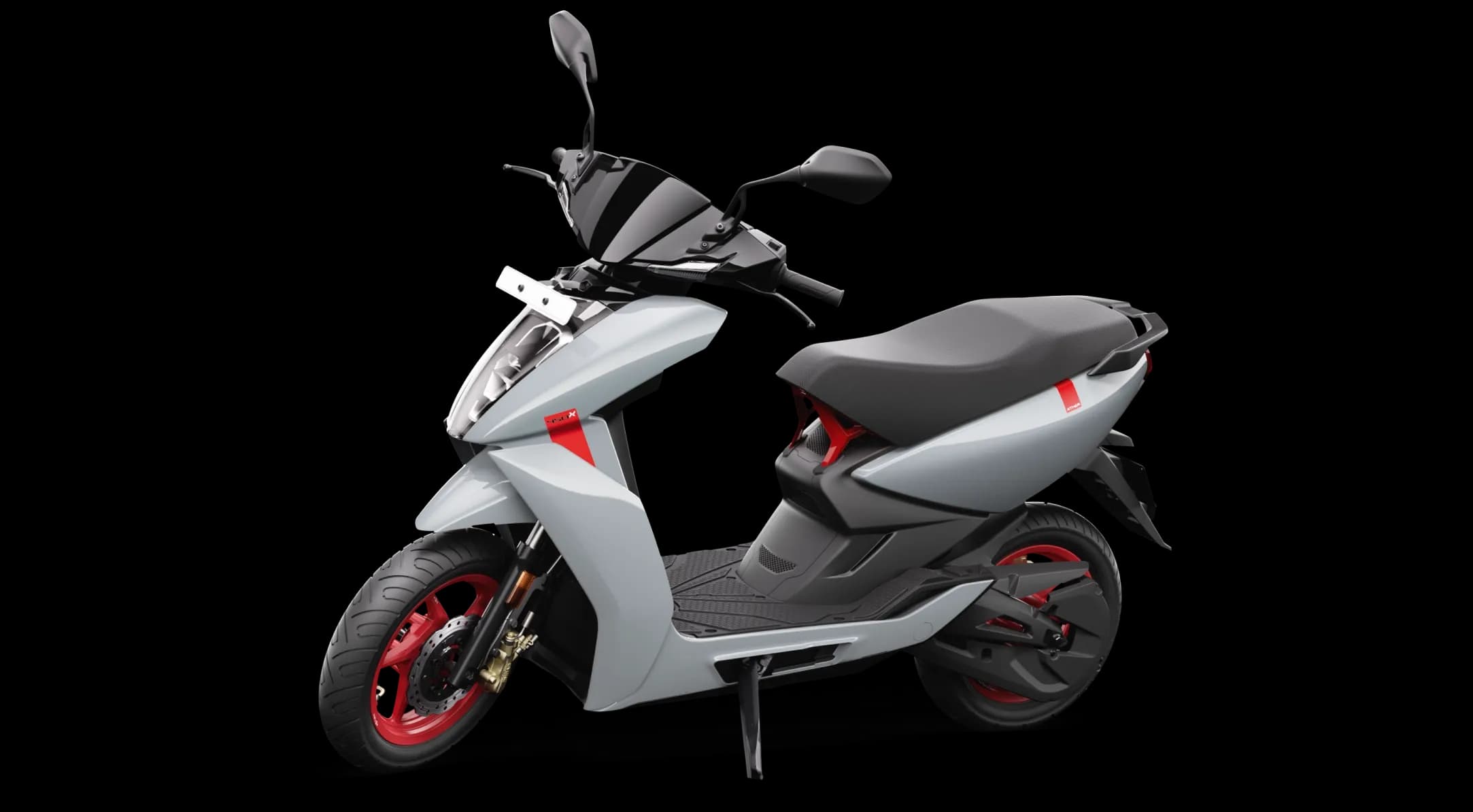
The benchmark for build quality and riding dynamics among Indian electric scooters. The proprietary fast-charging network is a genuine advantage in covered cities, but the smaller battery limits long-range confidence.
Price: ₹1,50,546 · Range: 100–120 km
Ather Grid DC fast charging is proprietary — not usable at other public chargers
Smaller battery than competitors at this price point
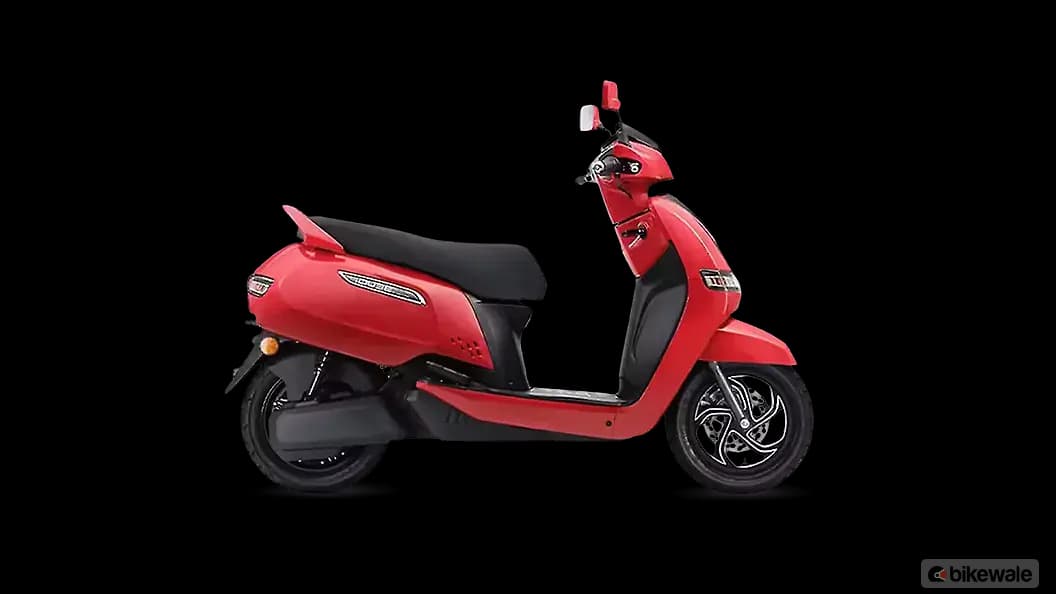
The best real-world range of any fixed-battery electric scooter currently on sale in India. TVS's service network is a major reliability advantage. Pay the premium if range anxiety is your primary concern.
Price: ₹1,75,384 · Range: 130–155 km
Most expensive in the segment for what you get in terms of performance
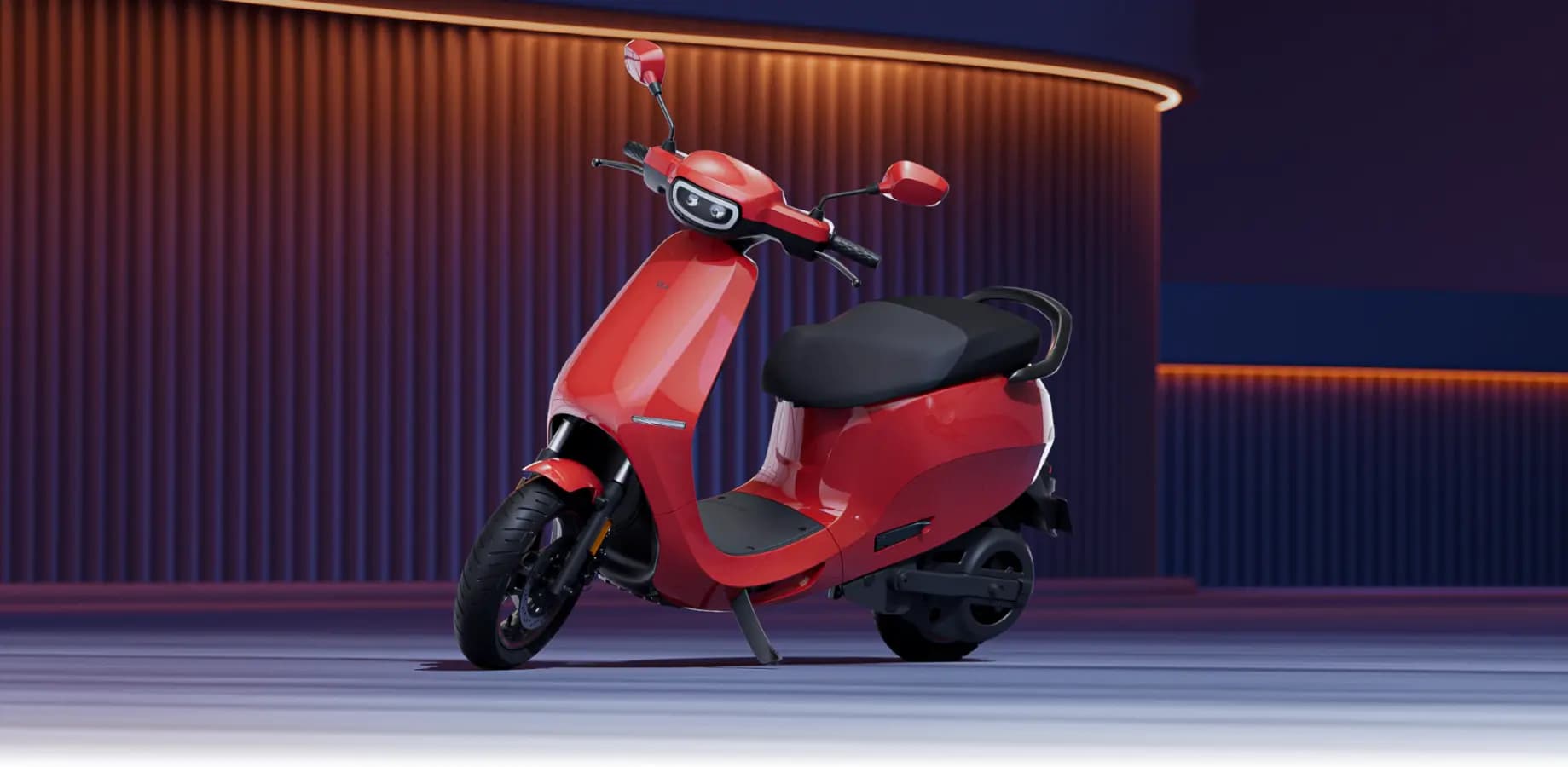
The highest-spec mass-market electric scooter in India. Strong performance and a large battery, but service network and software maturity are ongoing concerns. Best for confident early adopters in well-served cities.
Price: ₹1,70,338 · Range: 120–140 km
Ola service network quality varies significantly by city
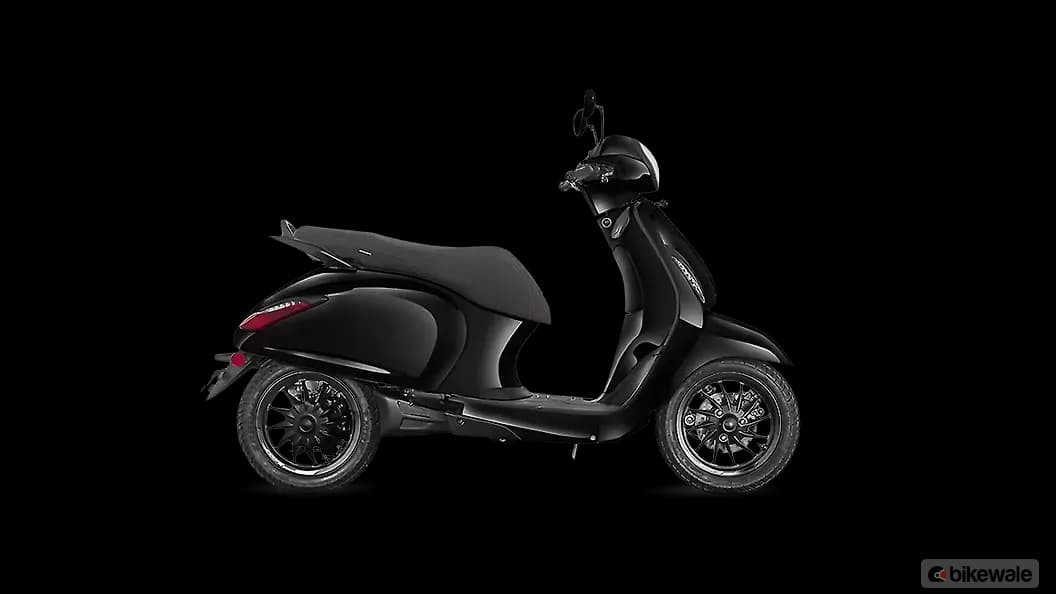
The C3501 is the top of the Chetak range: the same 3.5 kWh fixed battery and 153 km claim as the C3502, but with a 5-inch TFT touchscreen, full map navigation, keyless ignition, remote start, hill hold, reverse assist, OTA updates and geo-fencing on top. Hardware is otherwise familiar Chetak — a steel body, BLDC hub motor, 80 km/h, 12-inch alloys on tubeless tyres, a 200 mm front disc and 130 mm rear drum with CBS, single-sided leading-link front suspension, 168 mm ground clearance, a 775 mm seat, 35 litres under the seat and 5 litres up front, with 0-80% in three hours on the bundled 950 W charger and a 3-year / 50,000 km warranty. Bajaj claims 153 km; we would plan around 105 to 125 km in real city use. Best for riders who want every Chetak feature and will pay roughly ₹12,000 more than the C3502 to get the screen and connected kit.
Price: ₹1,57,140 · Range: 105–125 km
The 153 km figure is Bajaj’s own claim; the 105-125 km band shown here is our estimate, not an official number. No owner-reported range is published for the C3501 specifically, so we worked back from the 3,500 Wh pack at roughly 28-33 Wh per km of city consumption.
It is the most expensive Chetak by a wide margin at ₹1,57,140 ex-showroom (about ₹1.62 lakh on-road in Delhi), against ₹1,44,939 for the C3502 and ₹1,29,157 for the C3503 — all three share the same 3.5 kWh battery, and the C3502 claims the same 153 km.
A balanced, well-rounded electric scooter from a brand with one of the largest service networks in India. Not the most exciting choice but a safe, sensible one — particularly for buyers outside metro cities.
Price: ₹1,55,000 · Range: 100–120 km
No DC fast charging
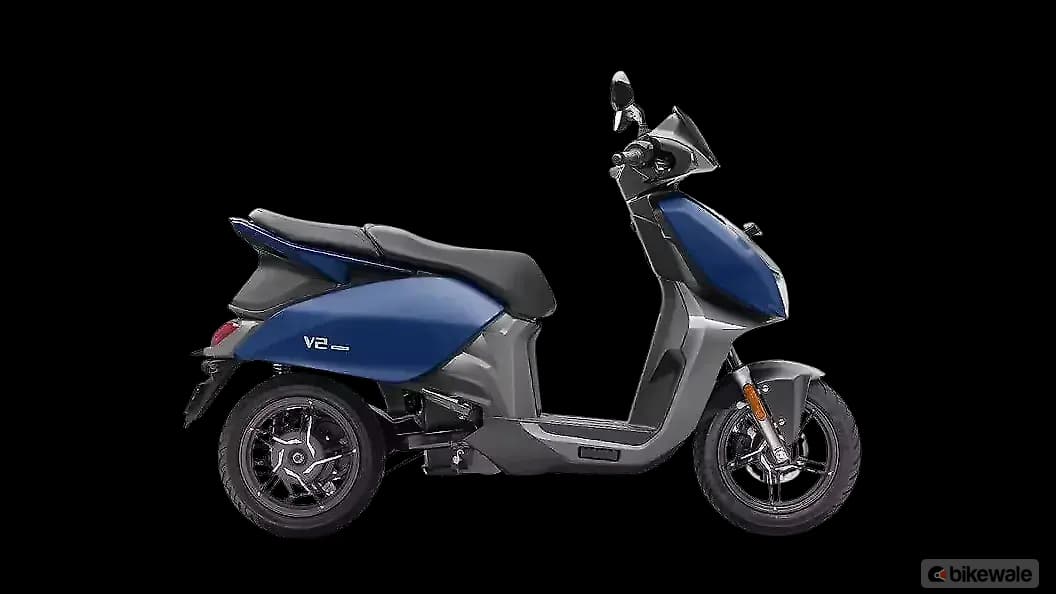
The V2 Pro is competitive but not class-leading on any single spec