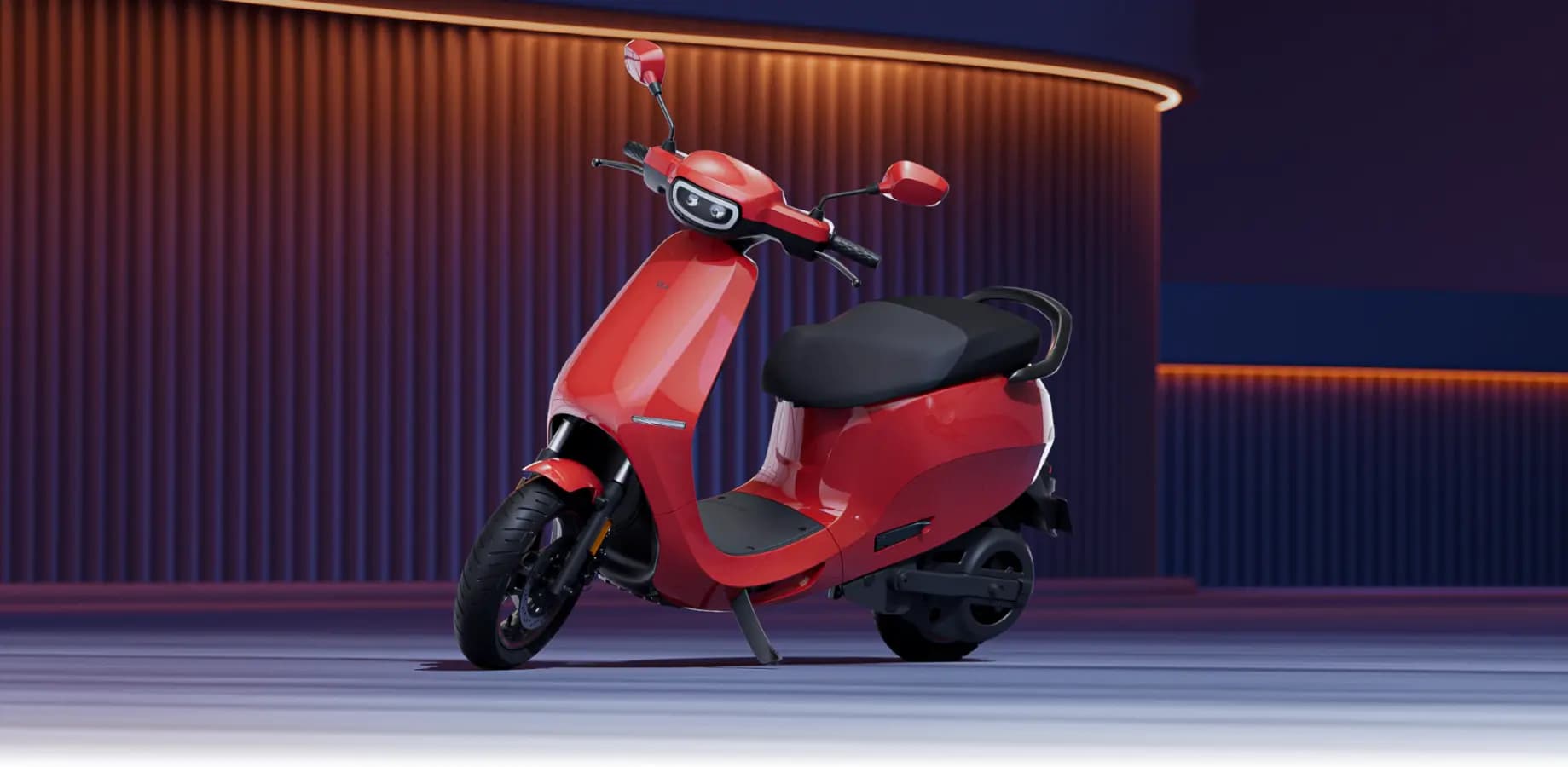
Ola₹1.70L
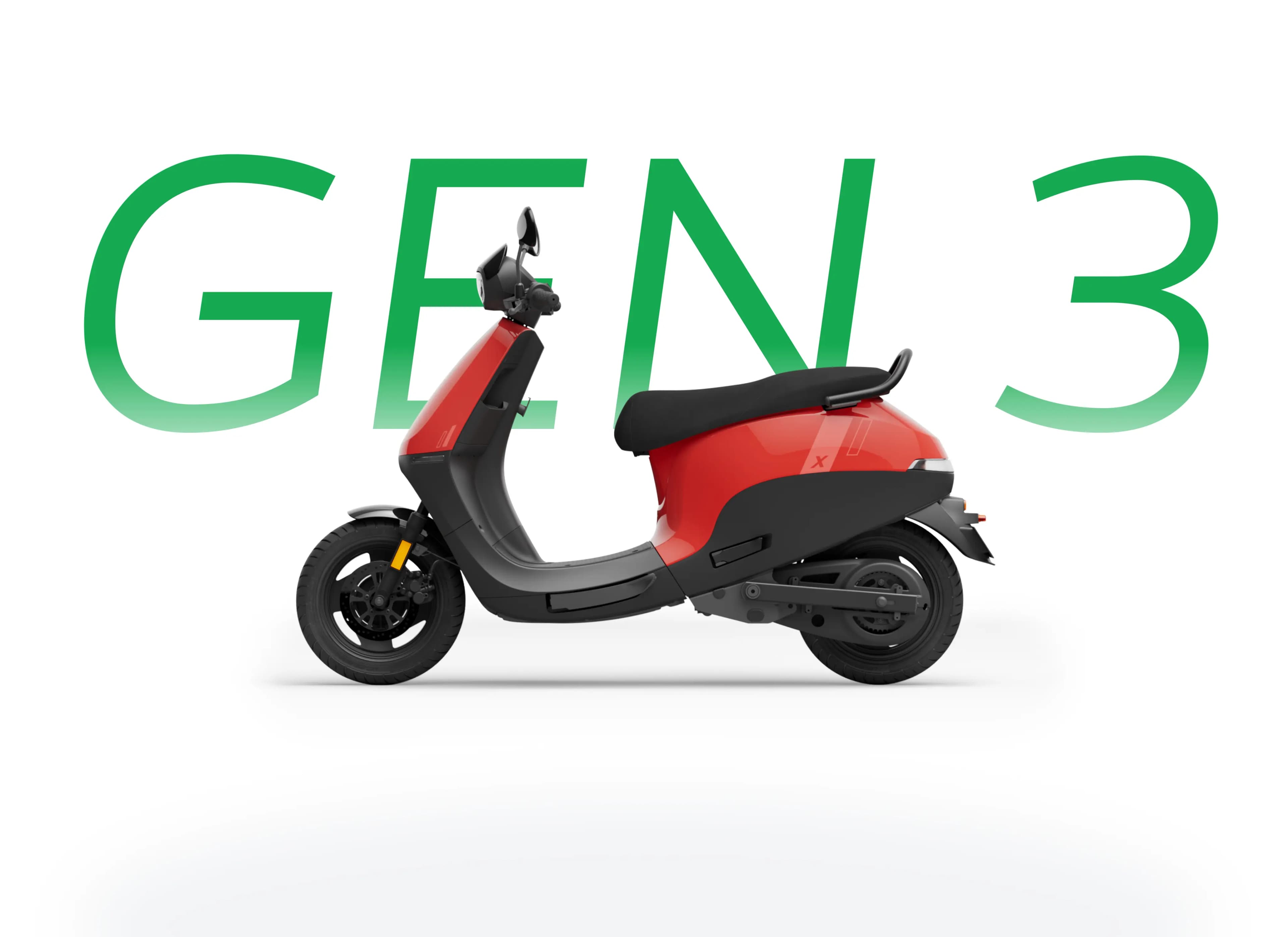
S1 Pro+ Gen 3
Range 130 km
Top 128 km/h
Electric scooters · India
Real-world range, source-backed prices, side-by-side compare, and the only India-tuned scooter calculators.
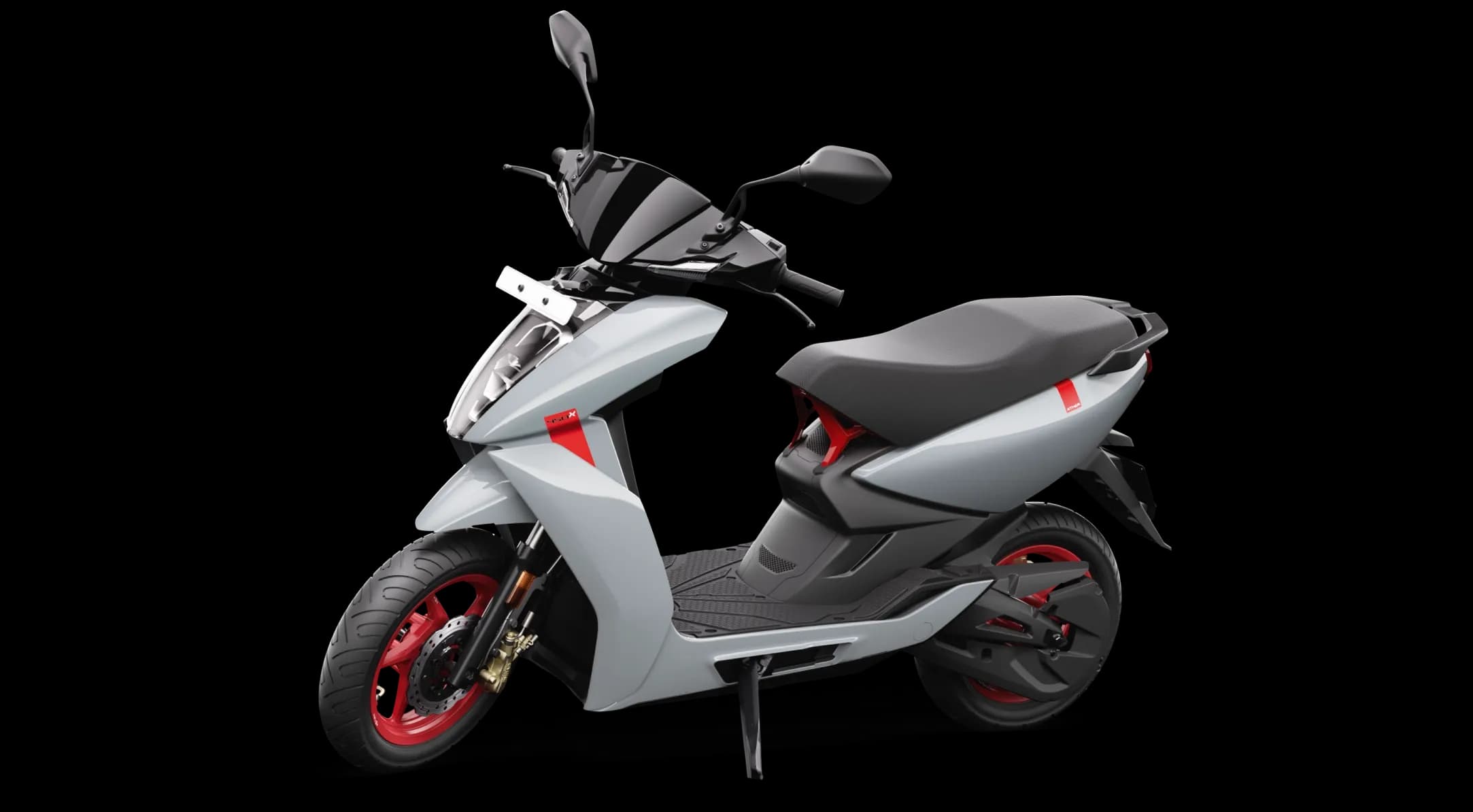
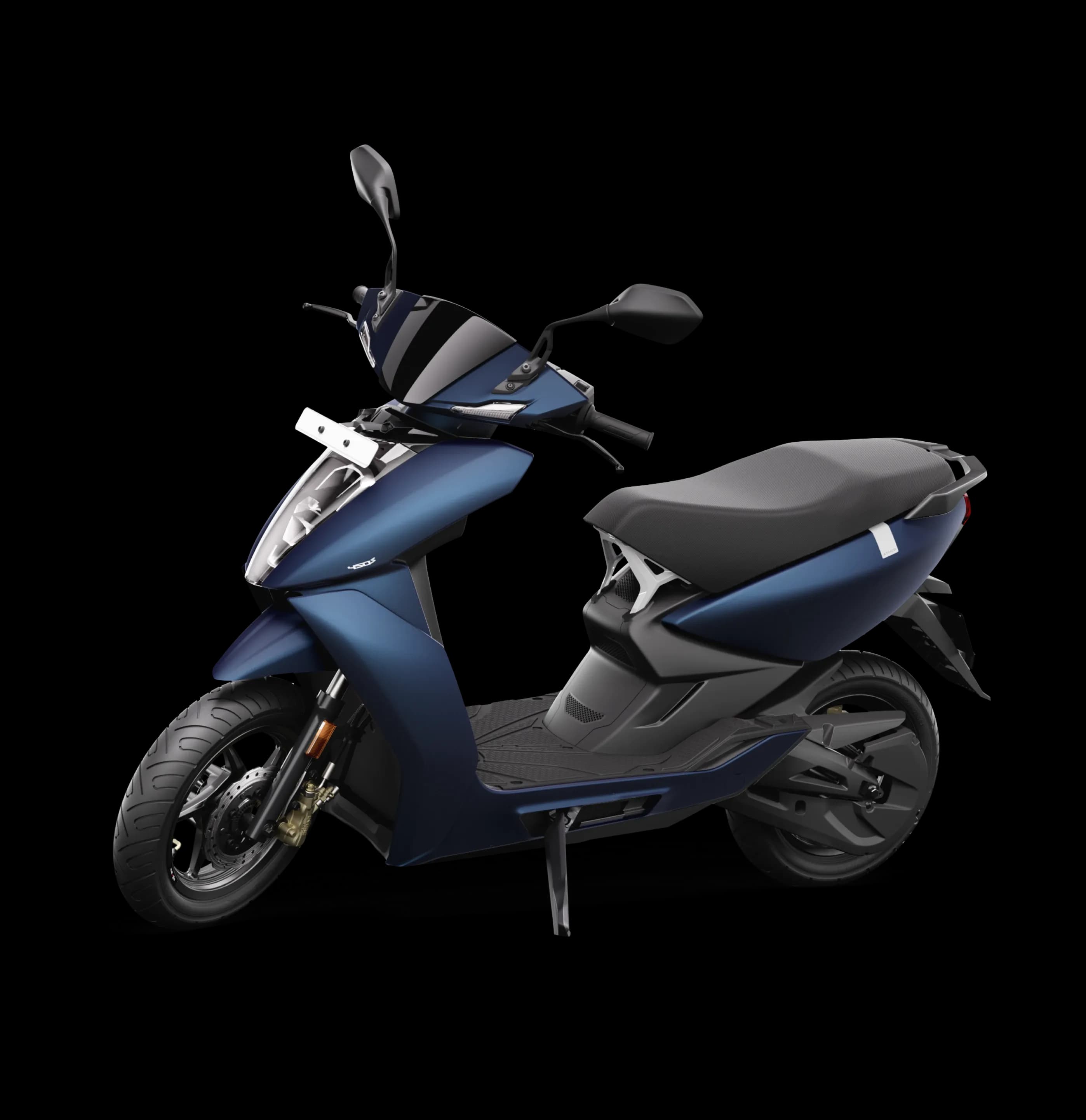
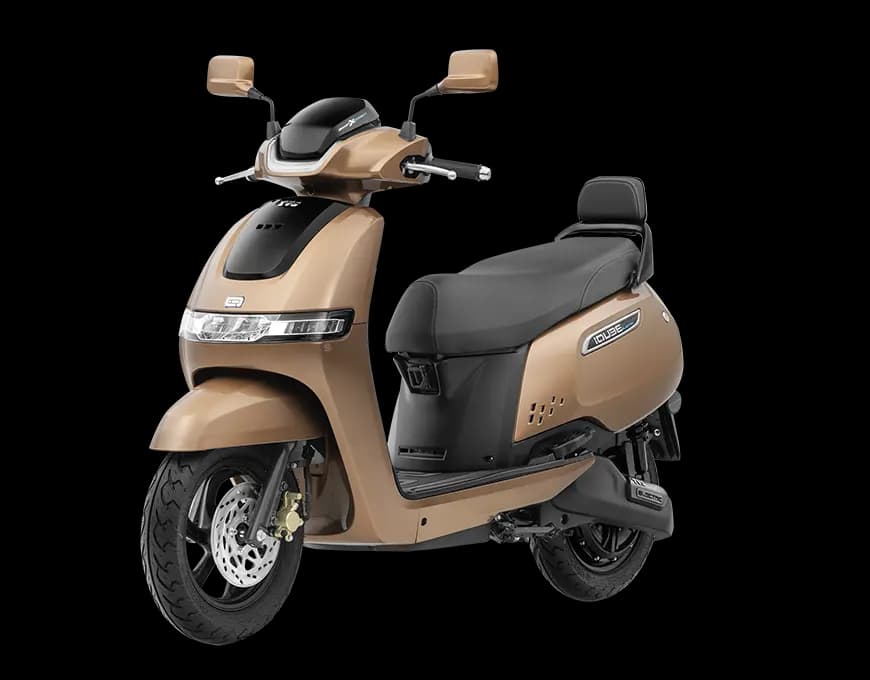
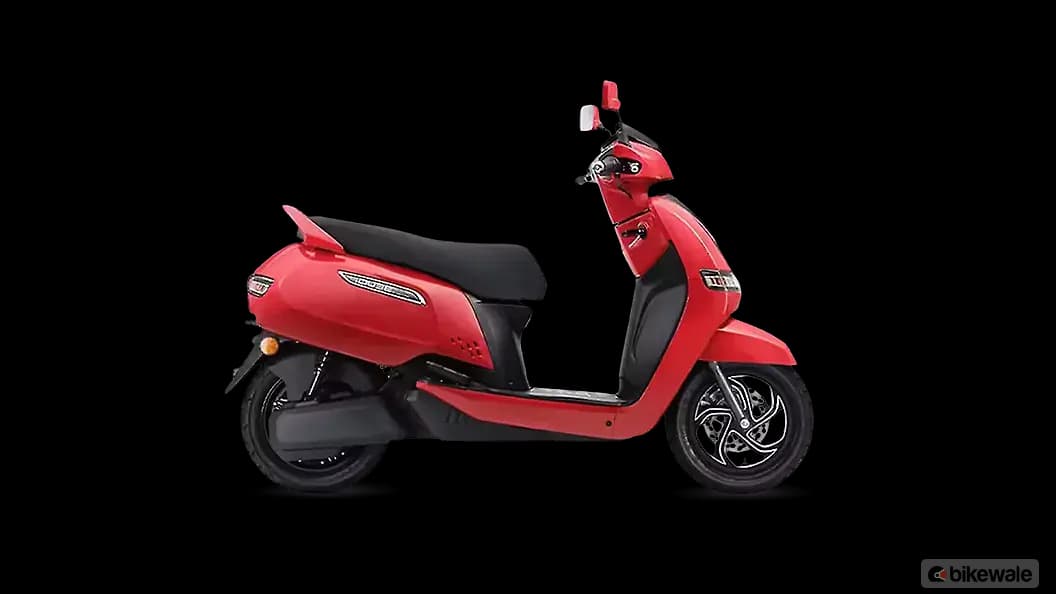
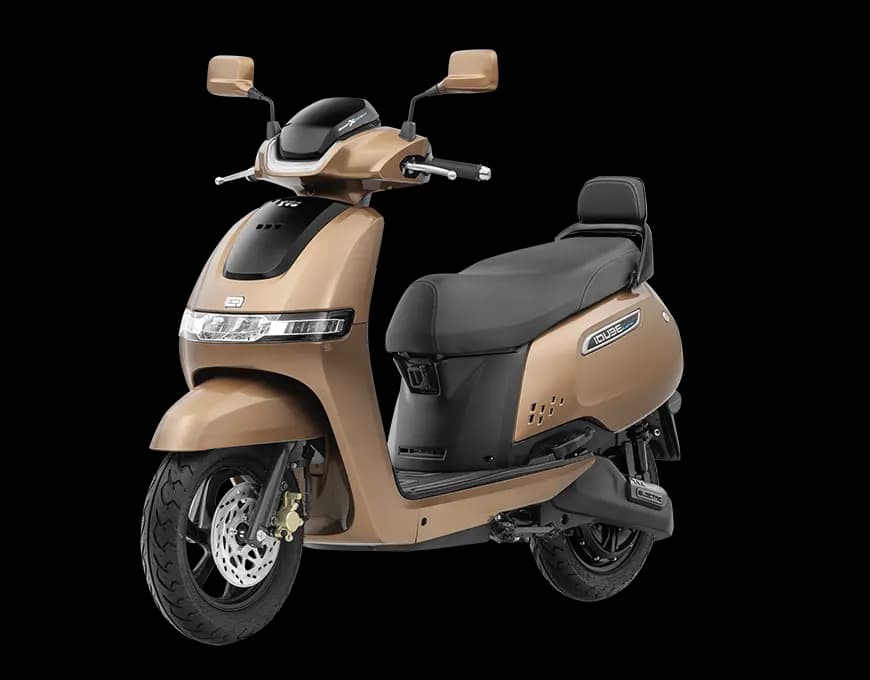
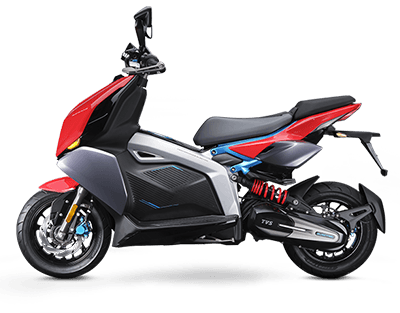
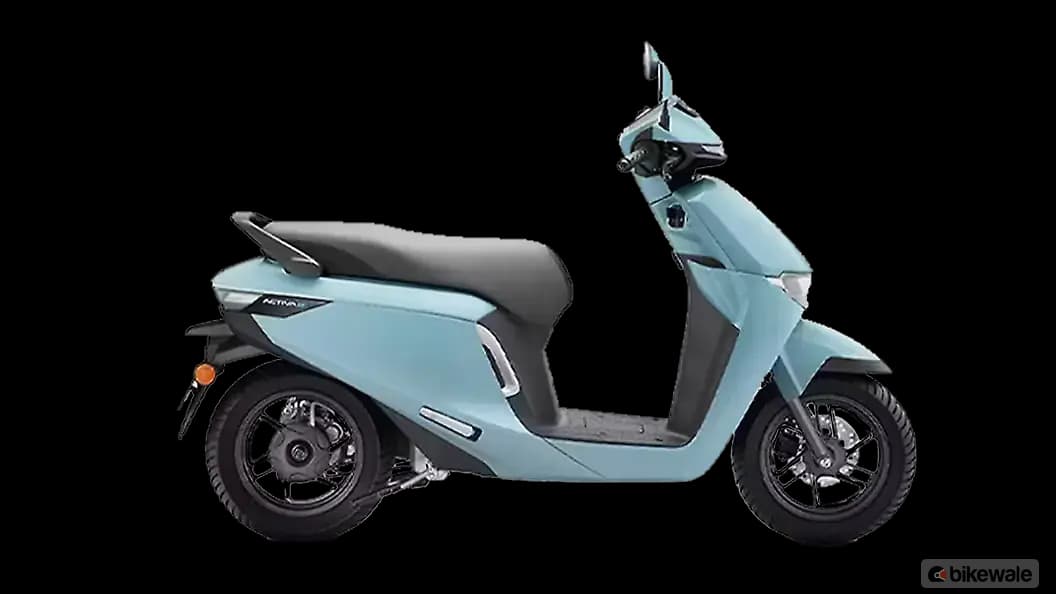
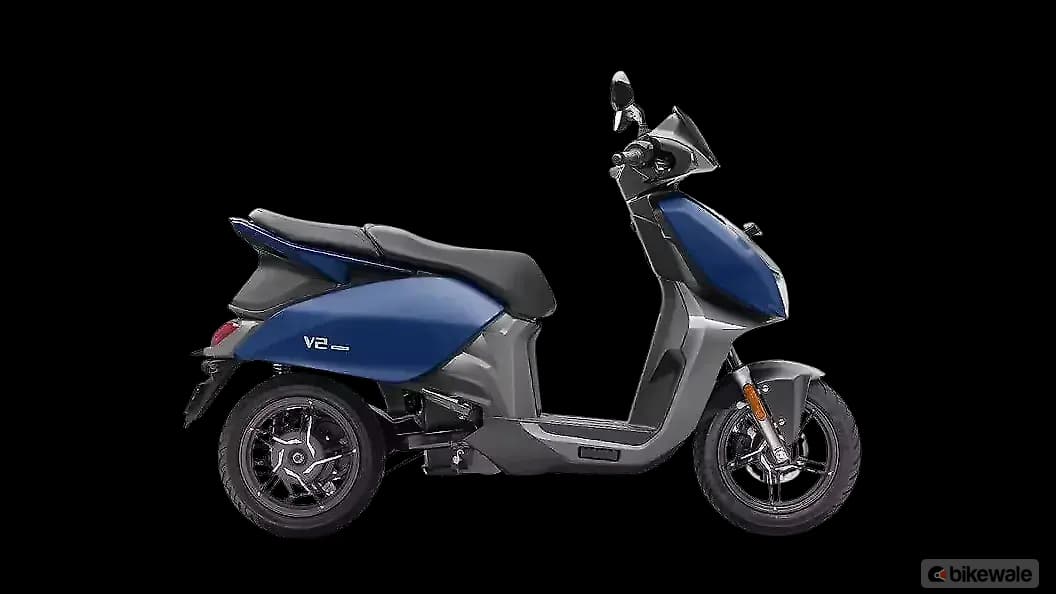
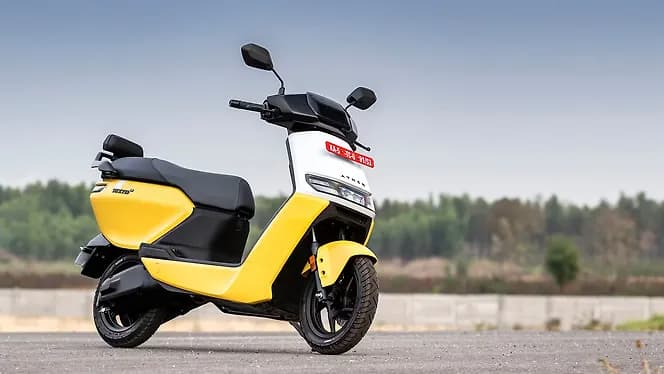
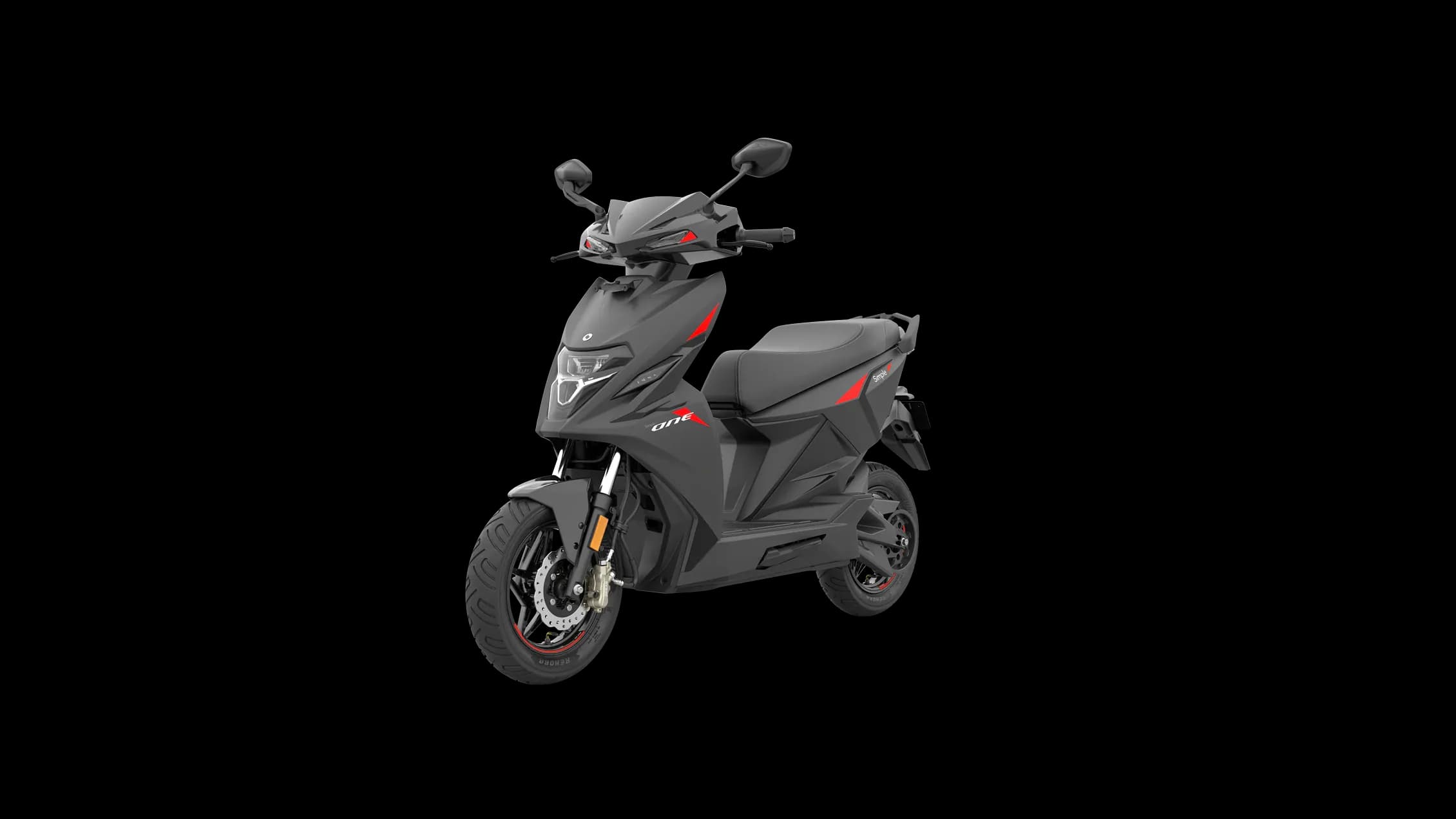
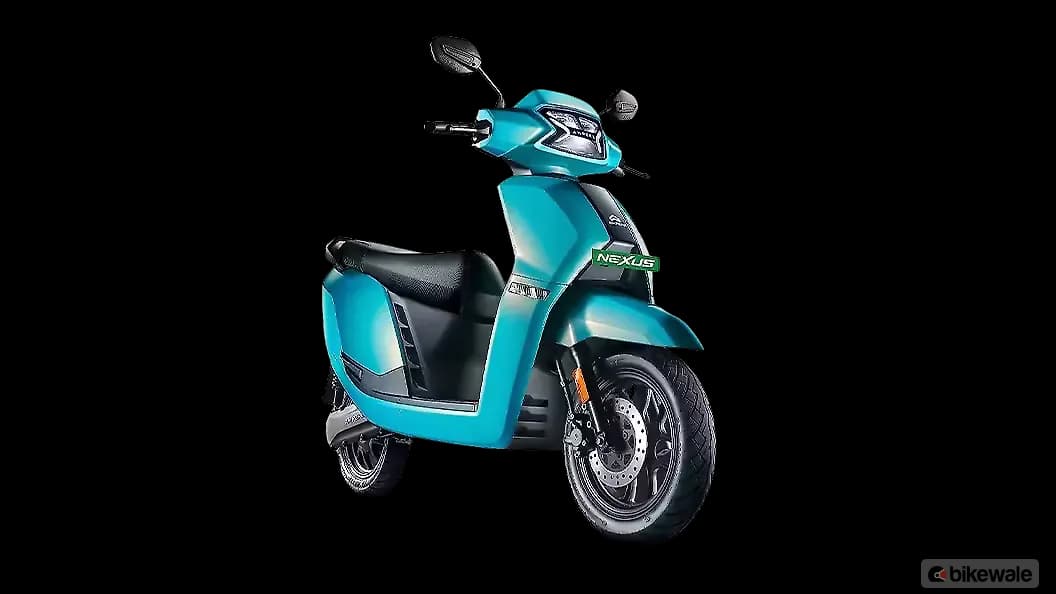
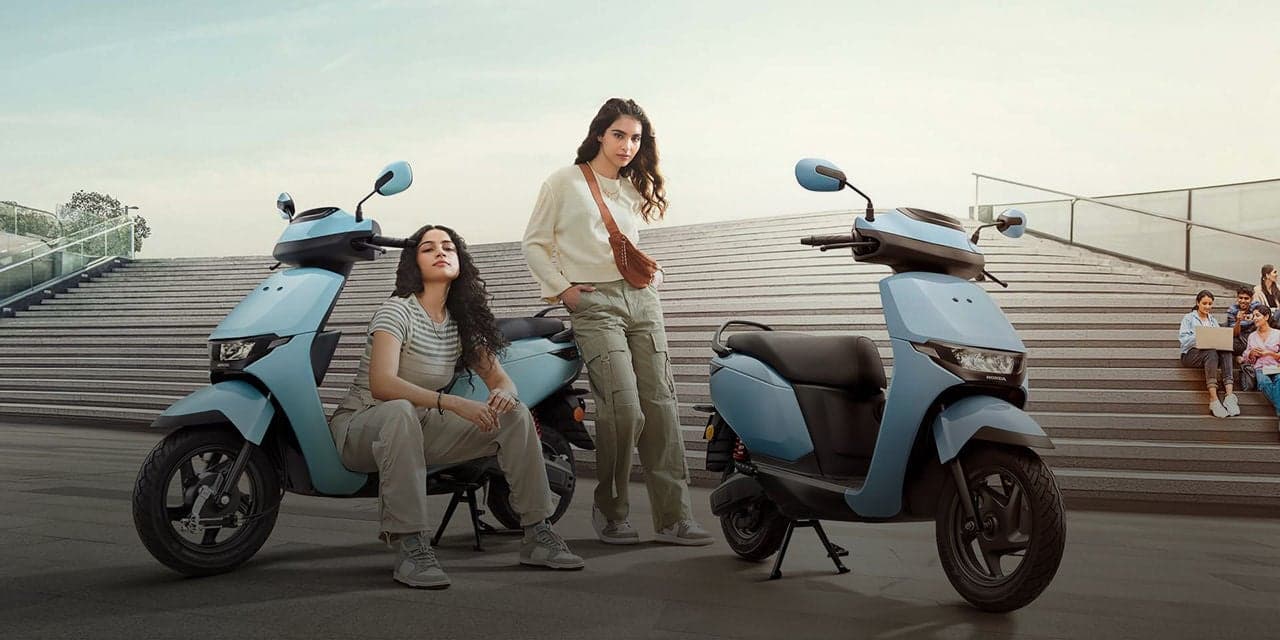
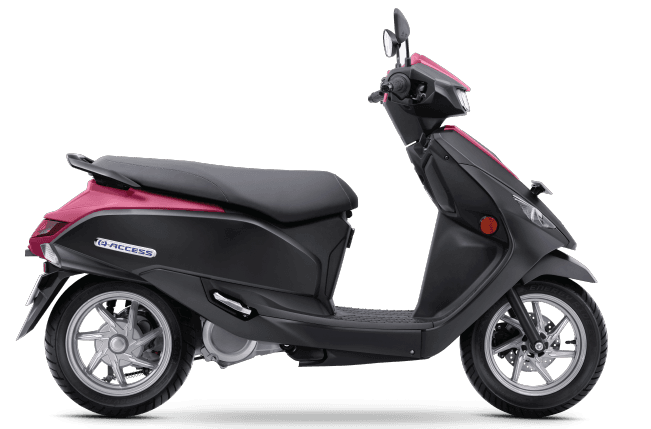
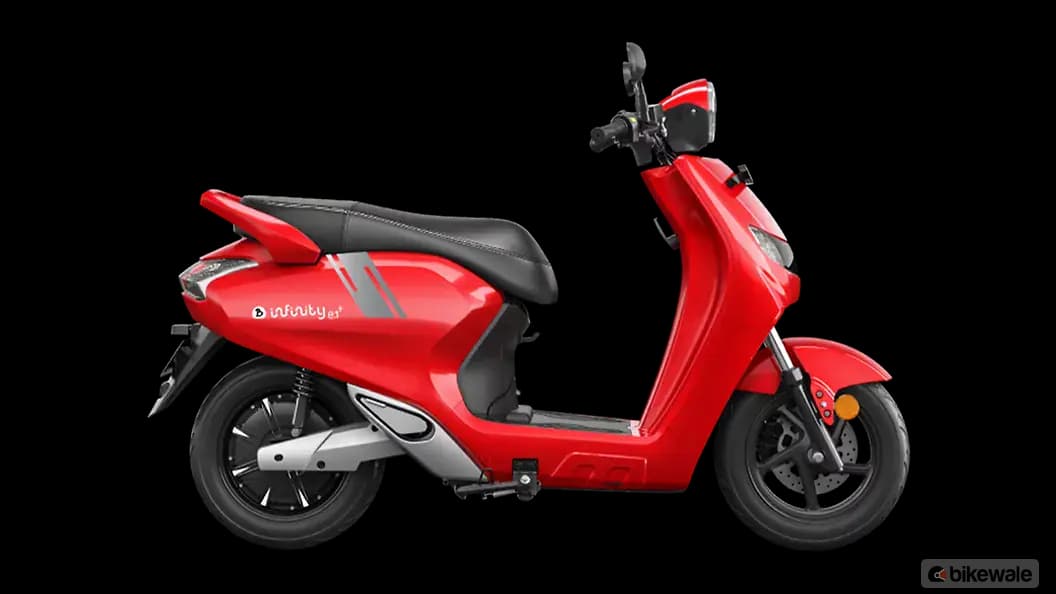
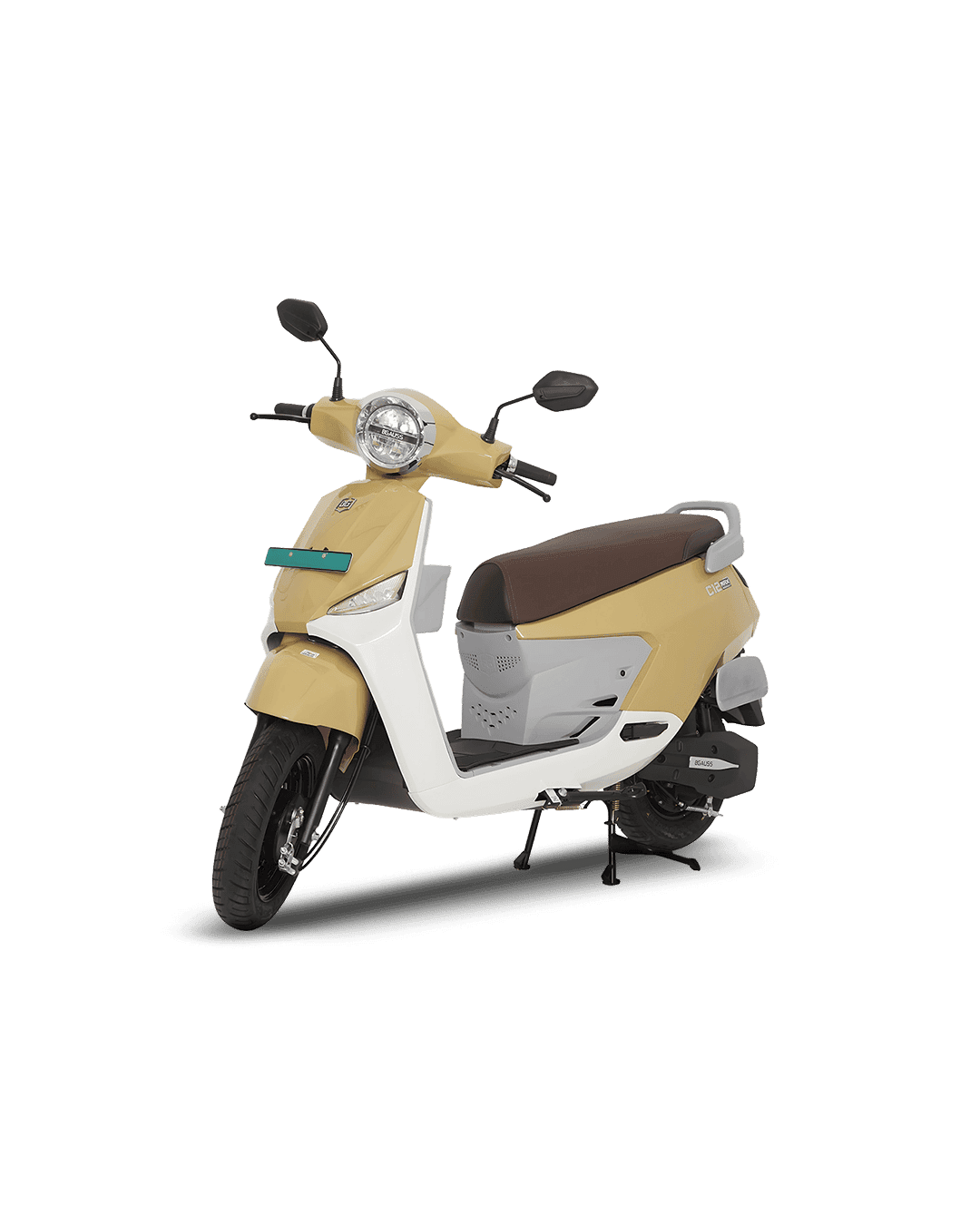

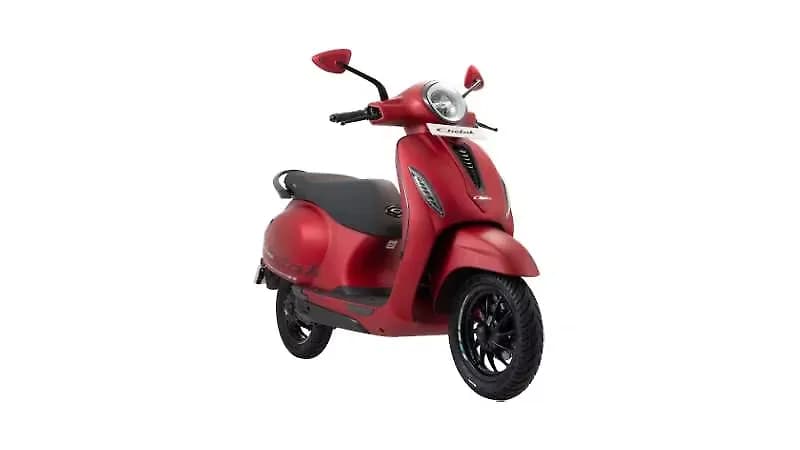
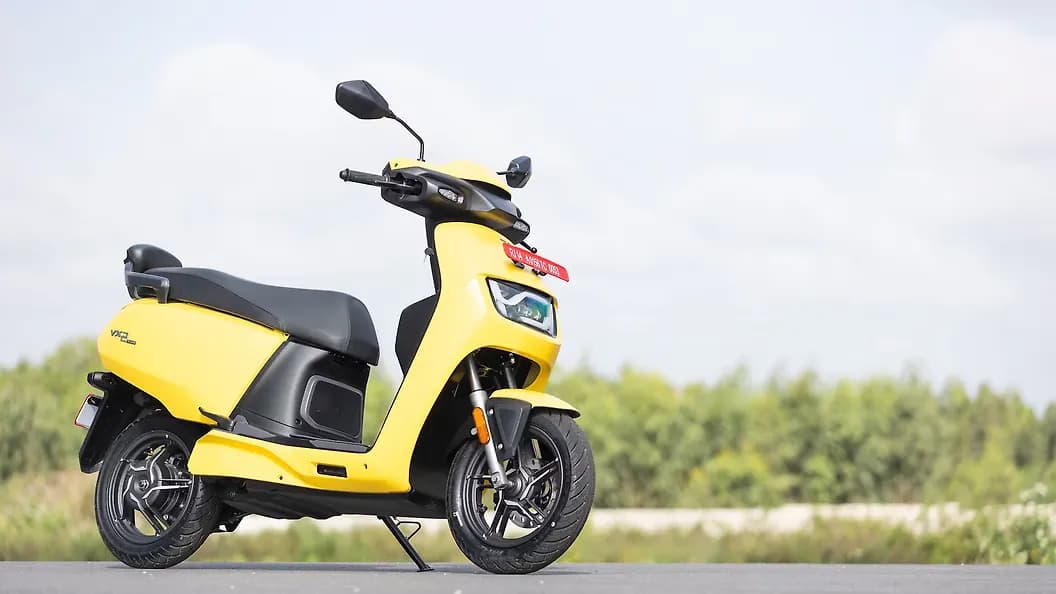
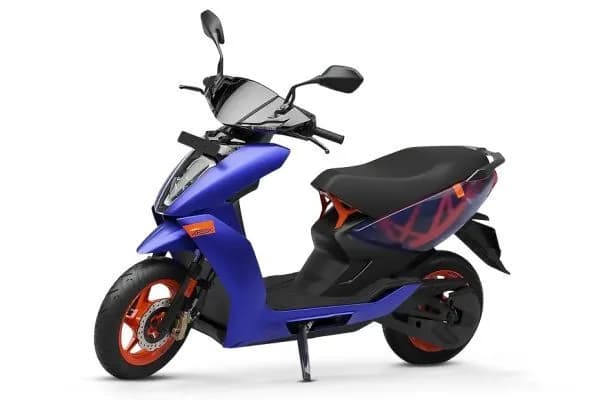
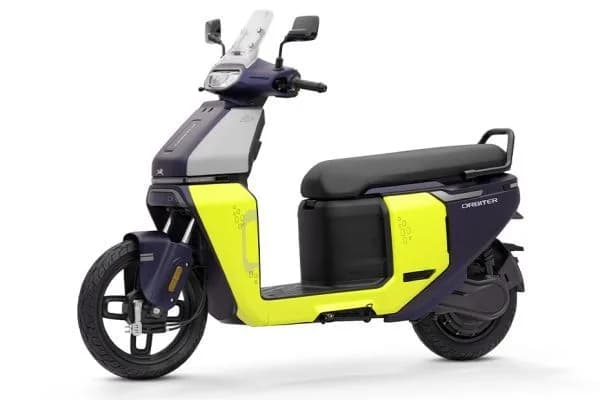
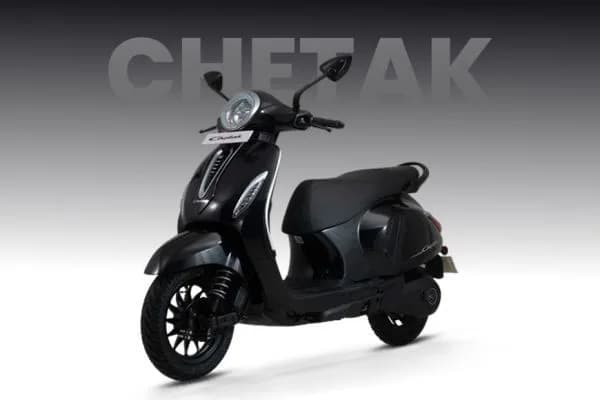
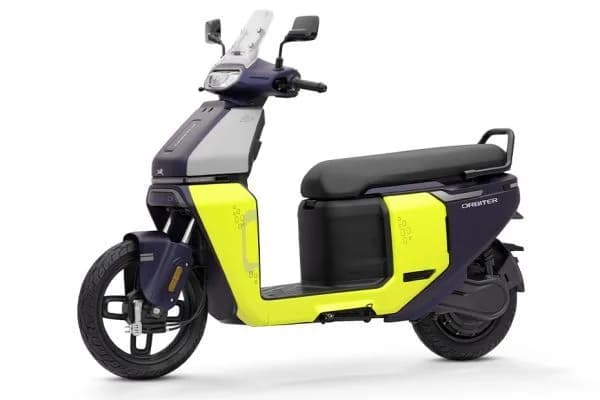
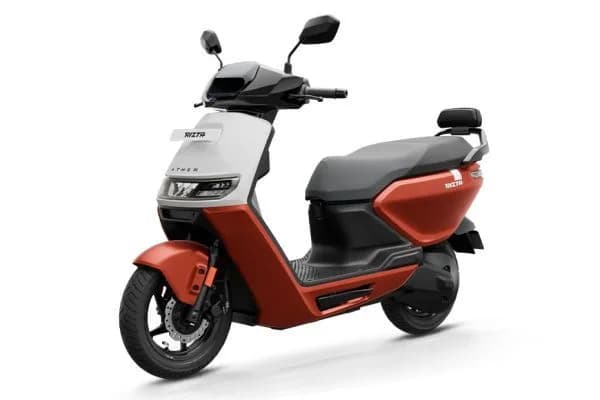
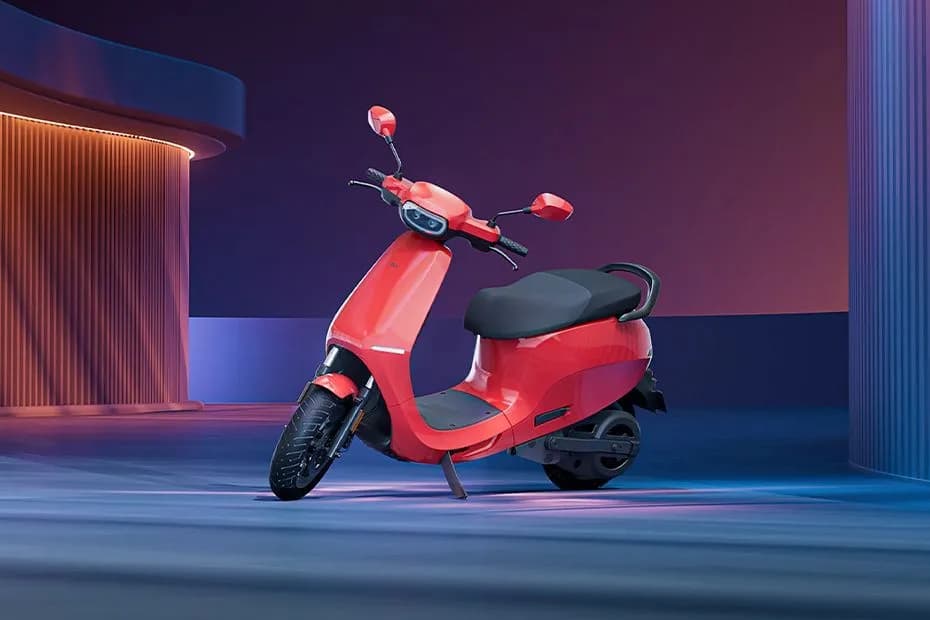
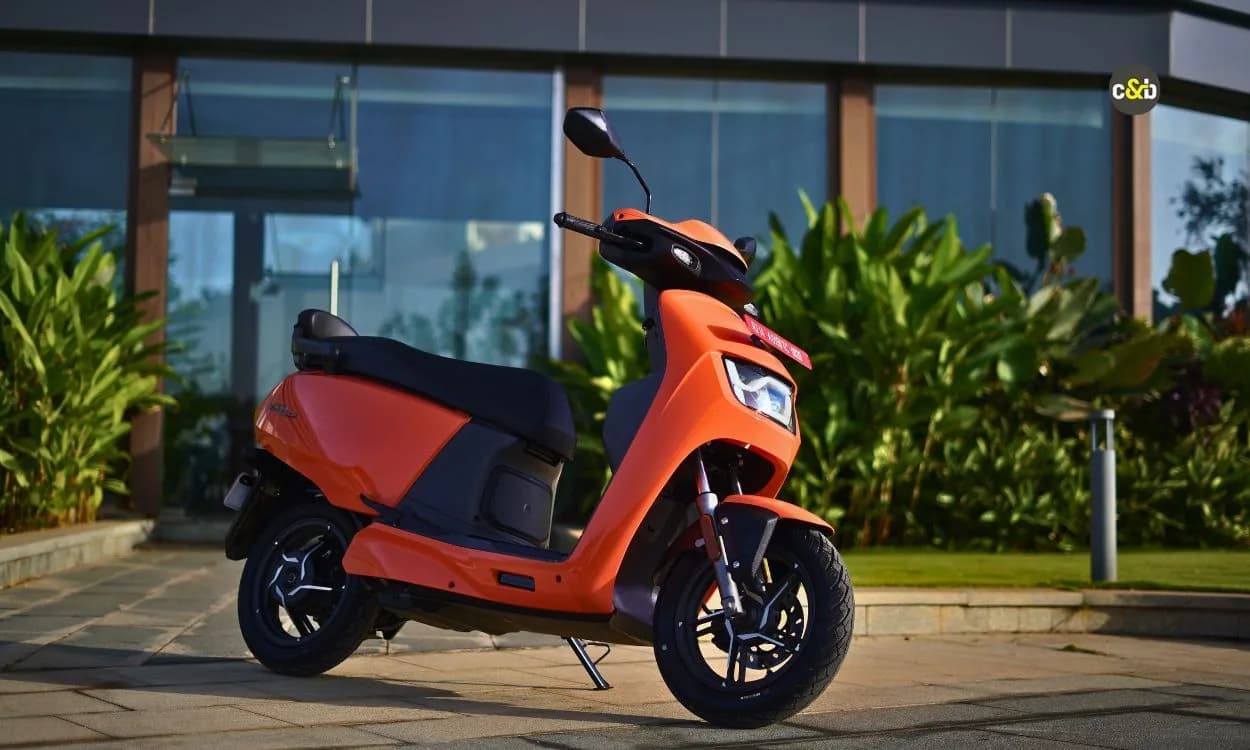
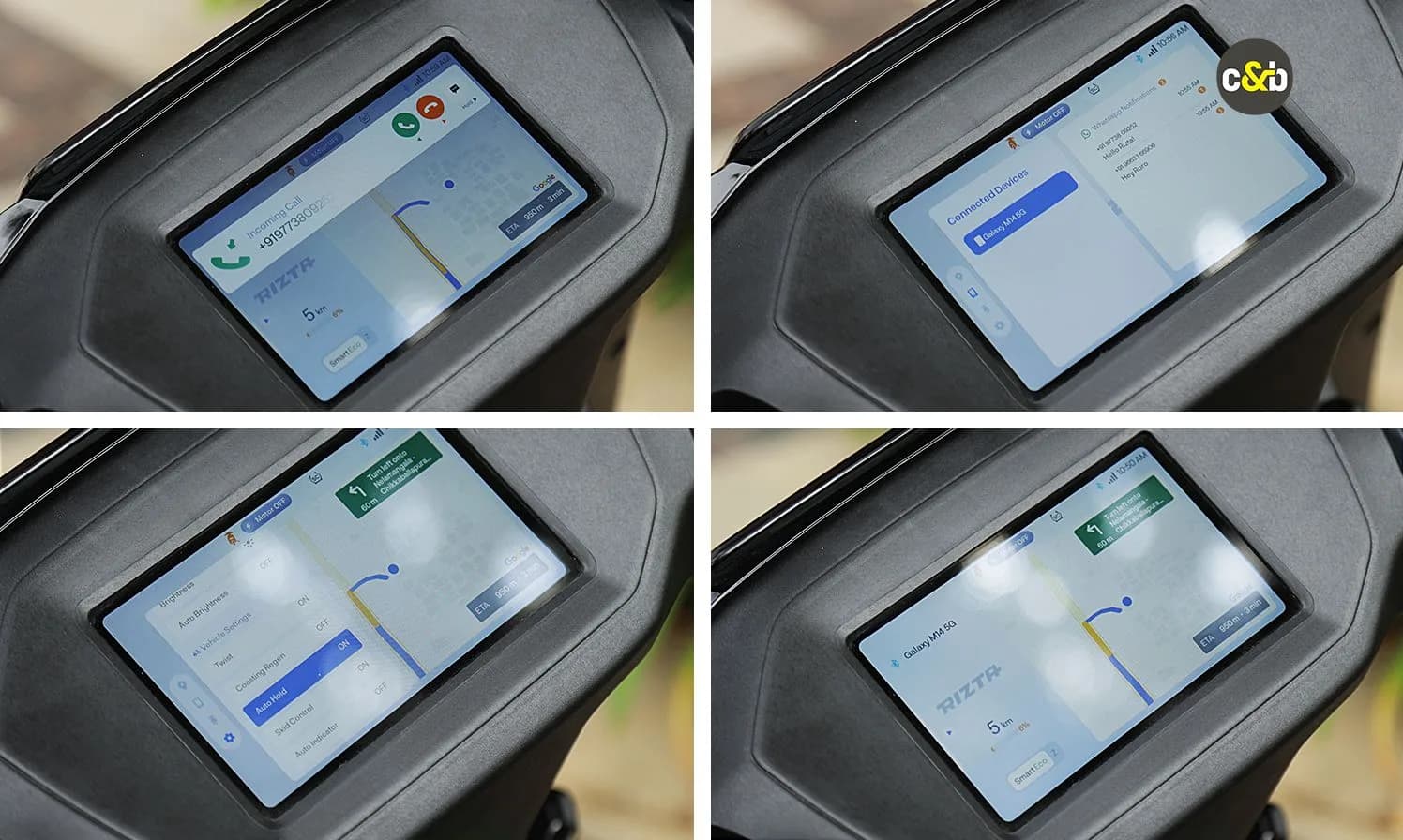
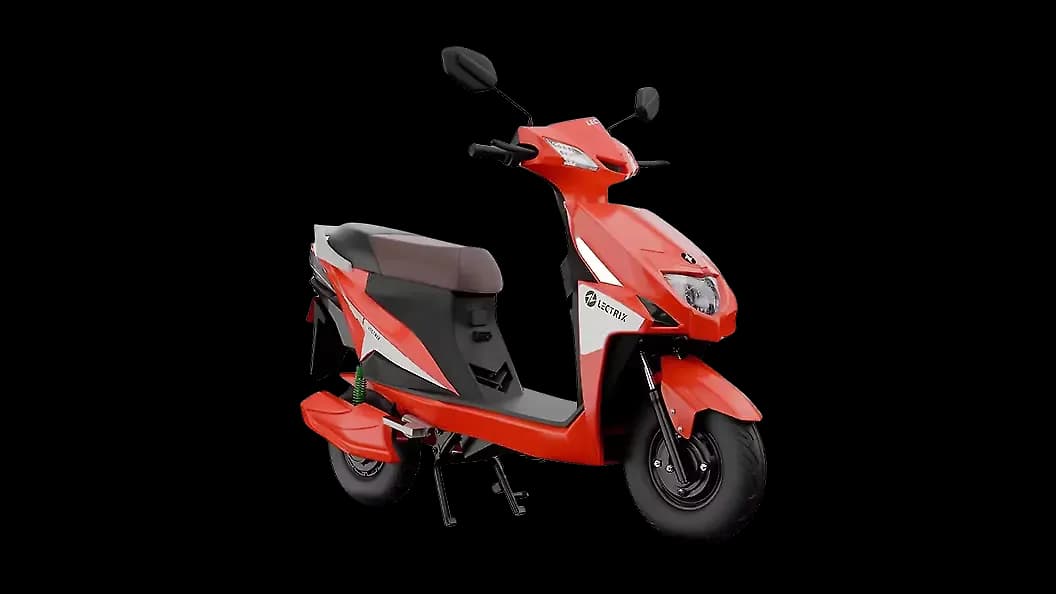
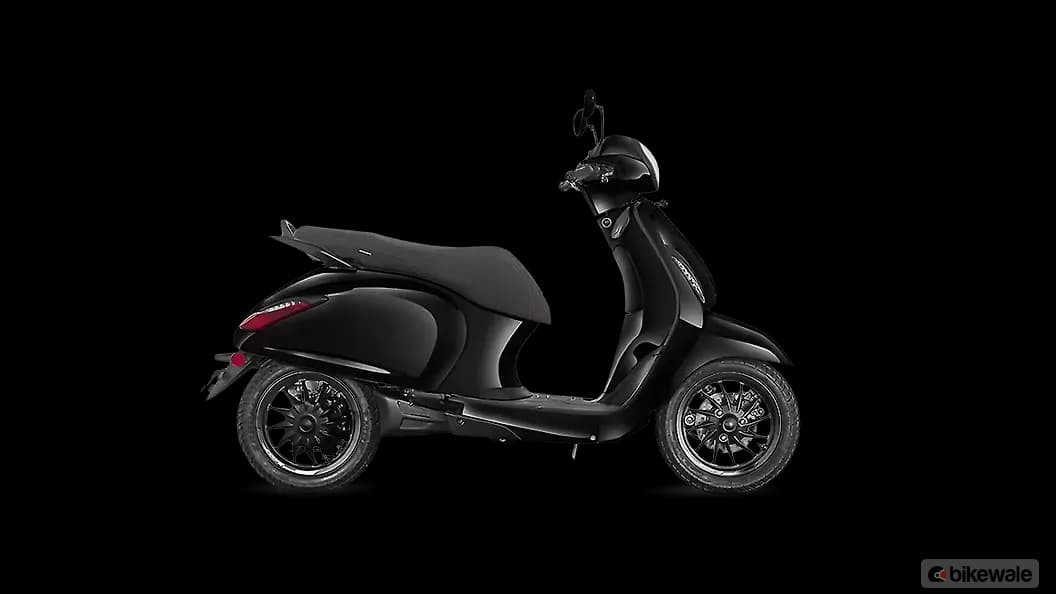
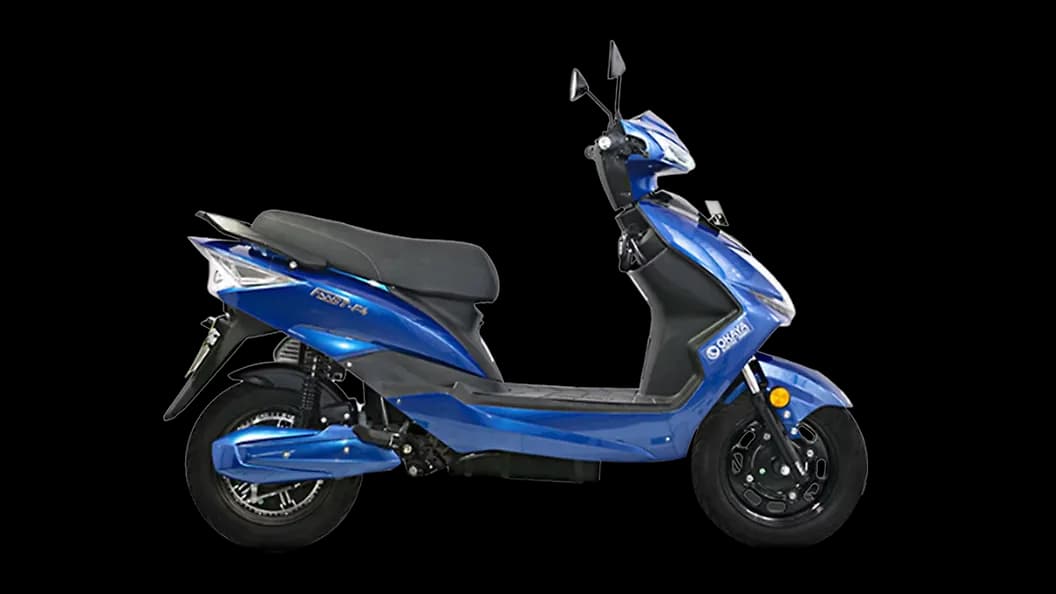
Browse every India-market EV with specs, prices, and side-by-side comparisons.
See the full scooter shortlist with real-world range, dealer notes, and budget picks.
Compare specs
Tap a column to sort by price, real-world range, battery, top speed or charging time. Prices are ex-showroom; ranges are real-world estimates, not brochure figures.
| Kinetic Green E-Luna X3 Go | ₹69,990 | 80–95 km | 2.3 kWh | 50 km/h | ~5 h |
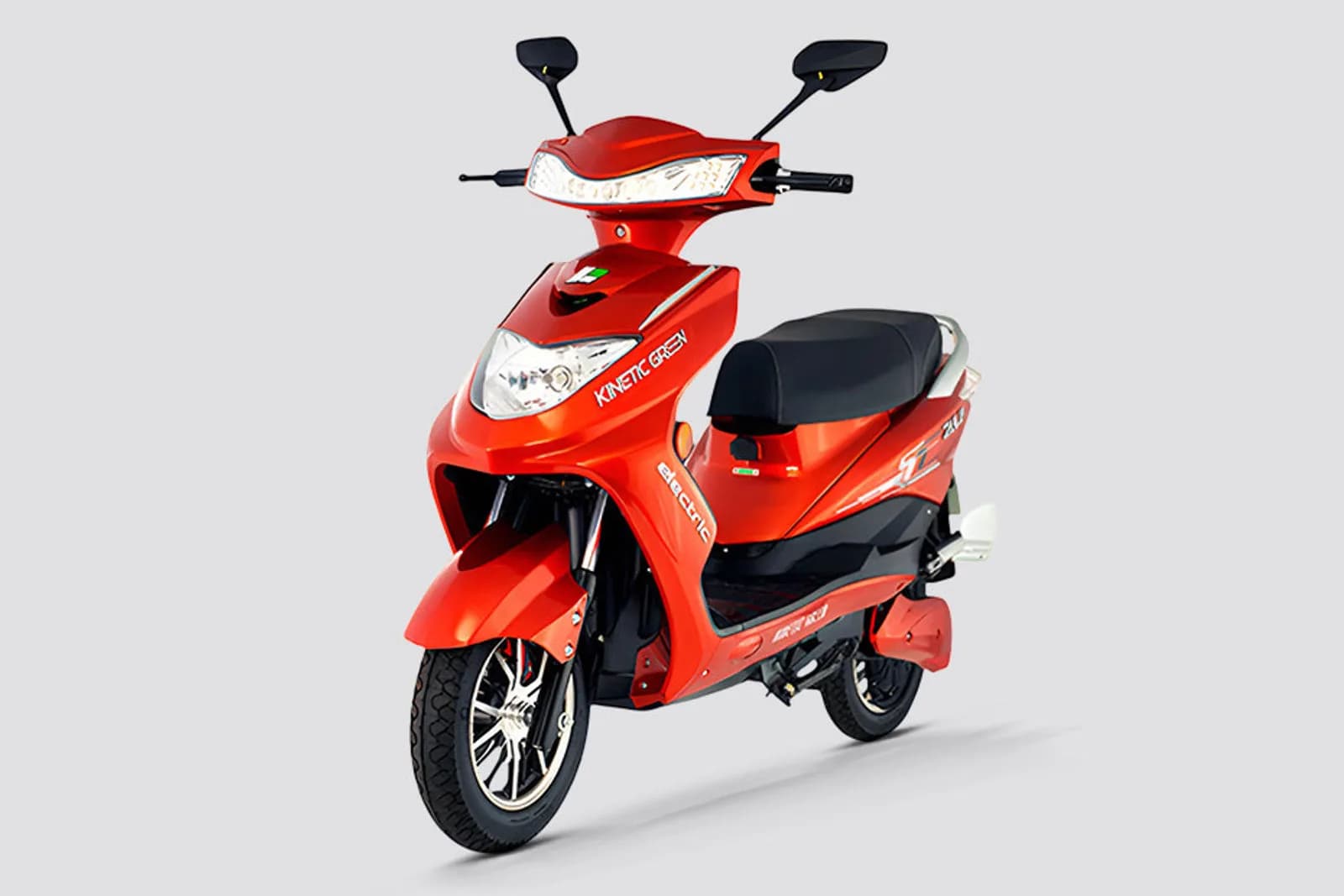
| Kinetic Green Zulu STD | ₹79,990 | 60–75 km | 2.2 kWh | 60 km/h | ~5 h |
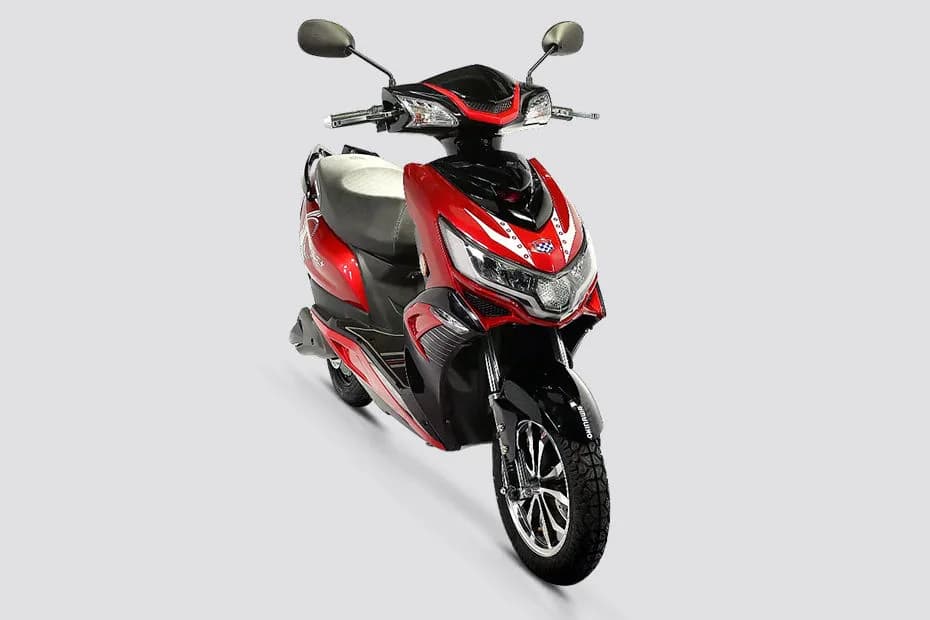
| Okinawa PraisePro STD | ₹84,443 | 55–70 km | 2.08 kWh | 56 km/h | ~3 h |
| Ola S1 X 2 kWh | ₹84,999 | 55–75 km | 2 kWh | 101 km/h | Battery swap |
| Honda QC1 Standard | ₹90,708 | 55–70 km | 1.5 kWh | 50 km/h | ~6.5 h |
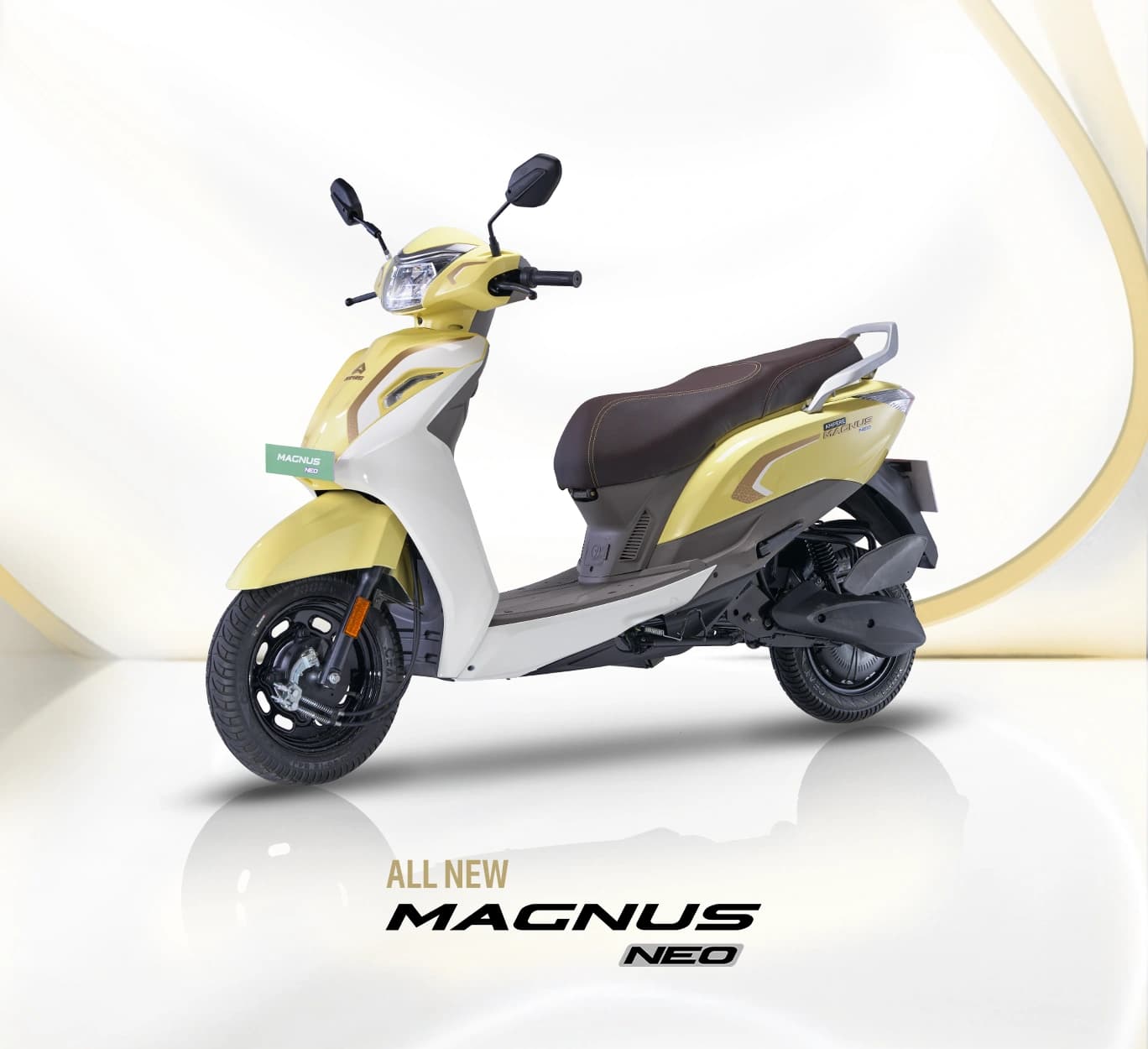
| Ampere Magnus Neo | ₹90,999 | 80–95 km | 2.3 kWh | 65 km/h | ~6 h |
| Lectrix LXS 3.0 Standard 3 kWh | ₹91,990 | 80–100 km | 3 kWh | 54 km/h | ~3.5 h |
| Ola S1 X 3 kWh | ₹98,999 | 85–105 km | 3 kWh | 115 km/h | Battery swap |
| TVS Orbiter V1 1.8 kWh | ₹1,00,650 | 65–75 km | 1.8 kWh | 68 km/h | ~2.2 h |
| iVOOMi Jeet X ZE 3 kWh | ₹1,04,999 | 80–100 km | 3 kWh | 61 km/h | ~5.45 h |
| BGauss C12 i Ex | ₹1,09,990 | 65–75 km | 2 kWh | 60 km/h | ~4.5 h |
| Hero Vida VX2 Go 2.2 kWh | ₹1,09,990 | 80–95 km | 2.2 kWh (swap) | 70 km/h | ~3.5 h |
| Okaya Faast F4 4.4 kWh | ₹1,11,996 | 130–155 km | 4.4 kWh | 70 km/h | ~6 h |
| Bounce Infinity E1 Plus | ₹1,15,605 | 60–70 km | 1.9 kWh | 65 km/h | ~4 h |
| Bajaj Chetak 3001 | ₹1,19,270 | 85–100 km | 3 kWh | 70 km/h | ~4.5 h |
| TVS Orbiter V2 3.1 kWh | ₹1,19,480 | 120–135 km | 3.1 kWh | 68 km/h | ~4.2 h |
| Ola S1 X+ 4 kWh | ₹1,19,999 | 110–135 km | 4 kWh | 123 km/h | ~6 h |
| TVS iQube 2.2 kWh | ₹1,20,124 | 60–70 km | 2.2 kWh | 75 km/h | ~3.4 h |
| Honda Activa e: Standard (Battery Swap) | ₹1,20,133 | 85–100 km | 3 kWh (swap) | 80 km/h | Battery swap |
| Ather Rizta S 2.9 kWh | ₹1,21,549 | 85–95 km | 2.9 kWh | 80 km/h | ~5.75 h |
| Okinawa iPraise+ STD | ₹1,22,955 | 90–110 km | 3.6 kWh | 56 km/h | ~4.5 h |
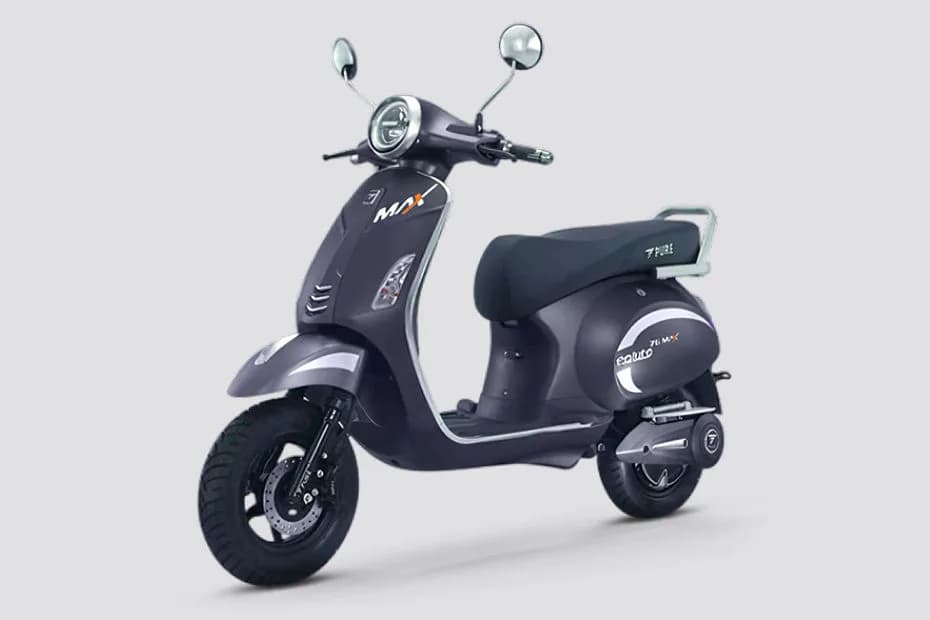
| PURE EV ePluto 7G Max STD | ₹1,23,006 | 90–110 km | 3.5 kWh | 60 km/h | ~5.5 h |
| Ather 450S Standard | ₹1,27,888 | 90–110 km | 2.9 kWh | 90 km/h | ~8.3 h |
| Bajaj Chetak 3503 | ₹1,29,157 | 100–120 km | 3.5 kWh | 70 km/h | ~3.4 h |
| Ampere Nexus EX | ₹1,29,999 | 95–110 km | 3 kWh | 93 km/h | ~4 h |
| Ather Rizta Z 2.9 kWh | ₹1,35,046 | 80–90 km | 2.9 kWh | 80 km/h | ~8.5 h |
| TVS iQube 3.1 kWh | ₹1,35,465 | 80–95 km | 3.1 kWh | 75 km/h | ~5.1 h |
| Bajaj Chetak C3502 | ₹1,44,939 | 105–125 km | 3.5 kWh | 80 km/h | ~3.4 h |
| TVS iQube 3.5 kWh | ₹1,45,200 | 95–115 km | 3.5 kWh | 78 km/h | ~5.6 h |
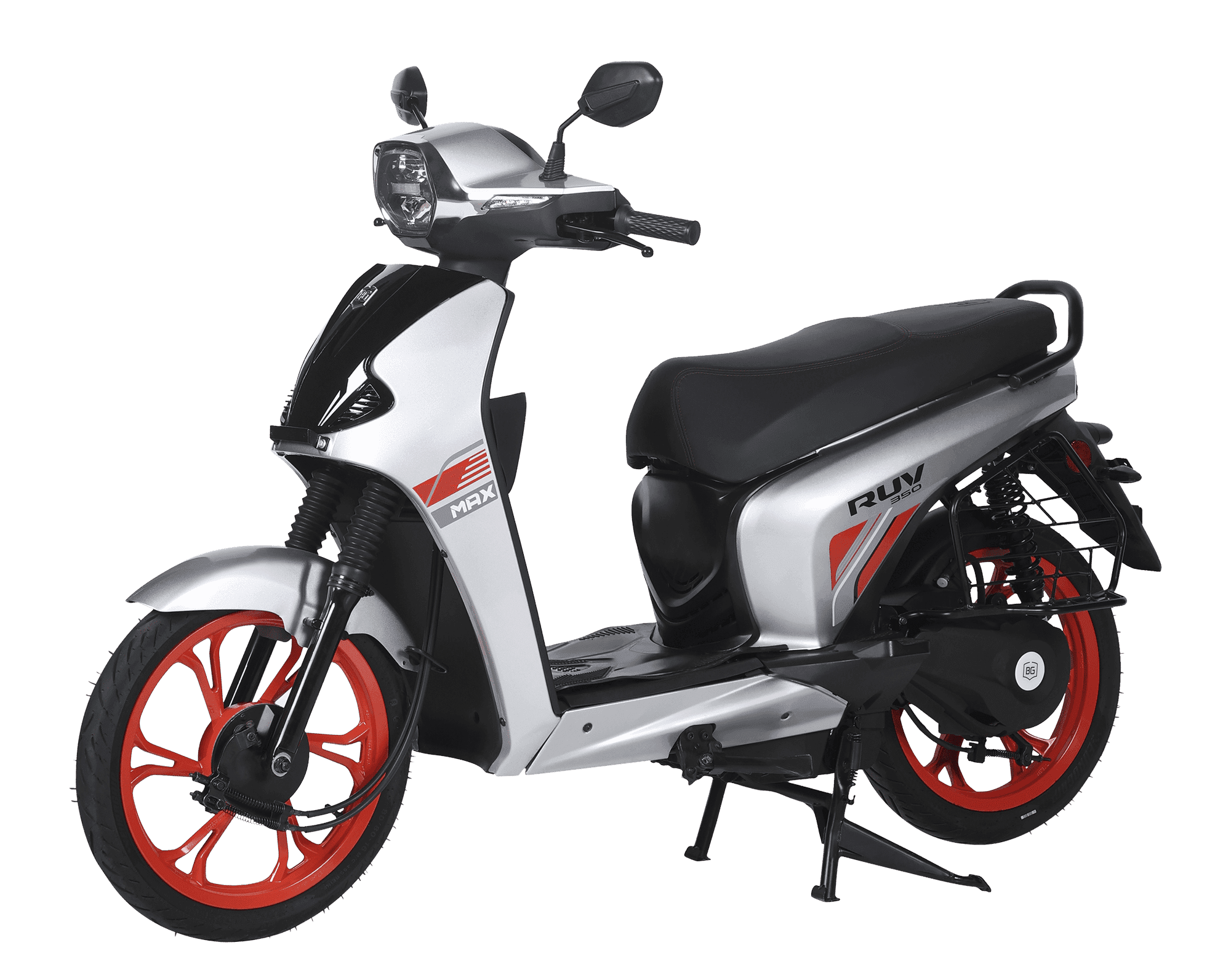
| BGauss BG RUV 350 Max | ₹1,46,990 | 105–120 km | 3 kWh | 75 km/h | ~6.5 h |
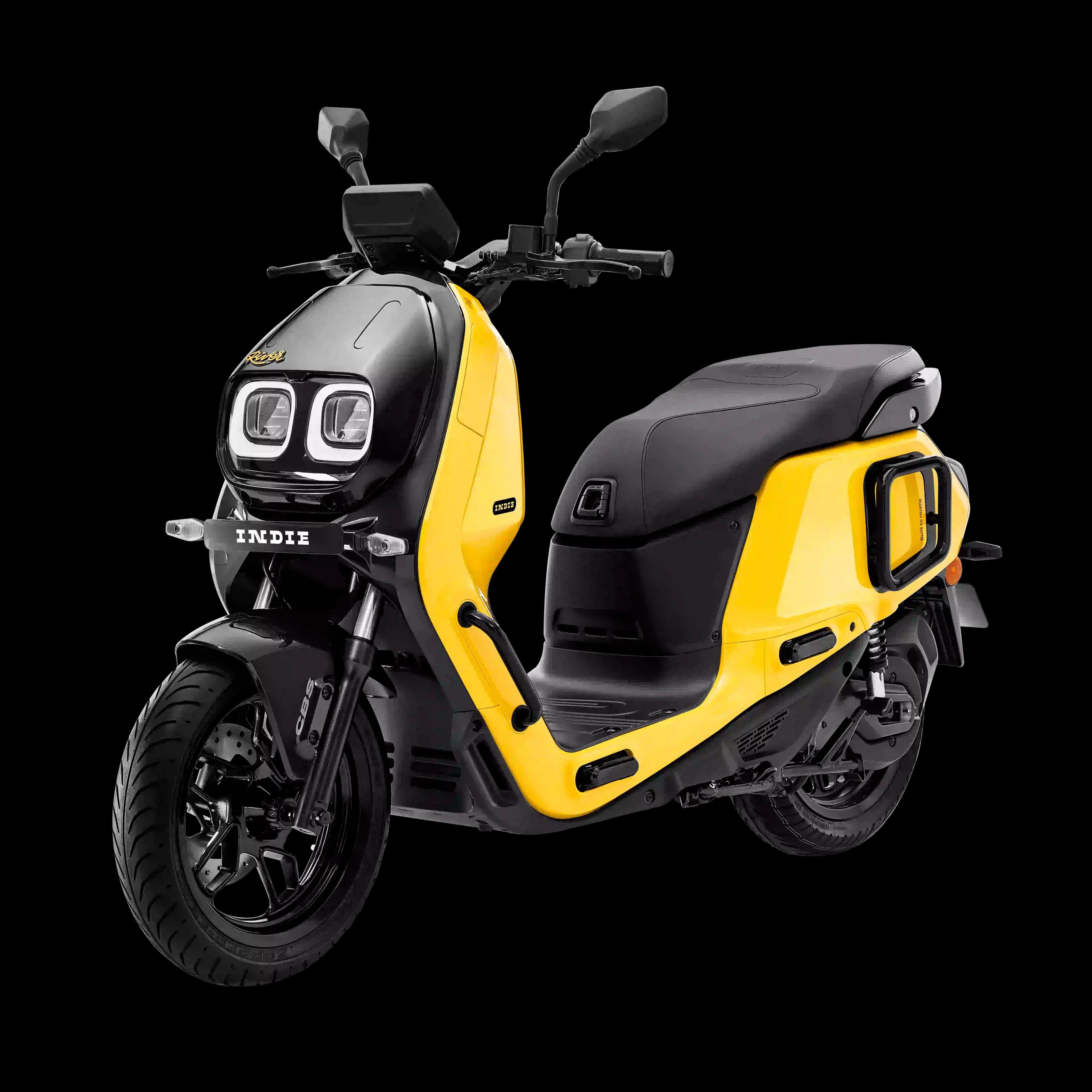
| River Indie Standard | ₹1,49,399 | 90–110 km | 4 kWh | 90 km/h | ~8 h |
| Ather 450X Gen 3 | ₹1,50,546 | 100–120 km | 2.9 kWh | 90 km/h | ~5.5 h |
| Hero Vida V2 Plus | ₹1,50,999 | 90–110 km | 3.44 kWh | 85 km/h | ~5.15 h |
| Honda Activa e: Honda RoadSync Duo (Battery Swap) | ₹1,54,733 | 85–100 km | 3 kWh (swap) | 80 km/h | Battery swap |
| Hero Vida V2 Pro | ₹1,55,000 | 100–120 km | 3.94 kWh | 90 km/h | ~5.5 h |
| Ather Rizta Z 3.7 kWh | ₹1,55,046 | 110–125 km | 3.7 kWh | 80 km/h | ~5.5 h |
| Bajaj Chetak C3501 3.5 kWh | ₹1,57,140 | 105–125 km | 3.5 kWh | 80 km/h | ~3 h |
| Hero Vida VX2 Plus 4.4 kWh | ₹1,60,990 | 110–140 km | 4.4 kWh (swap) | 90 km/h | ~5.13 h |
| Ola S1 Pro+ Gen 3 | ₹1,70,338 | 120–140 km | 4 kWh | 128 km/h | ~6.5 h |
| TVS iQube ST 5.3 kWh | ₹1,75,384 | 130–155 km | 5.3 kWh | 82 km/h | ~4.2 h |
| Ola S1 Pro+ Gen 3 5.3 kWh | ₹1,90,338 | 160–185 km | 5.3 kWh | 130 km/h | ~4.5 h |
| Suzuki e-Access Standard | ₹1,90,665 | 80–90 km | 3.072 kWh | 71 km/h | ~6.3 h |
| Ather 450 Apex 3.5 kWh | ₹1,94,946 | 110–125 km | 3.5 kWh | 100 km/h | ~5.25 h |
| Simple Energy One Gen 2 5 kWh | ₹2,04,999 | 160–190 km | 5 kWh | 115 km/h | ~5.9 h |
| TVS X Standard | ₹2,63,880 | 113–123 km | 4.4 kWh | 105 km/h | ~4 h |
Browse by range
Range is the first question most scooter buyers ask. Pick the band that matches your daily ride — these are real-world ranges, not lab figures.
Affordable, light scooters for short daily city runs, where a small battery keeps the price low and charging quick.
The mainstream commuter band — enough real-world range to cover a full day of city riding with margin to spare.
The longest-range electric scooters, for riders who cover big daily distances or want to charge as little as possible.
India-specific costs, real-world ranges, and honest verdicts. Get a number in under 30 seconds.