This comparison is most useful when both cars look viable and you need the decision to break on charging, value, or day-to-day fit.
Comparison detail
The Seal Performance AWD makes the sharper case if you want sedan dynamics, stronger straight-line pace, and a lower-slung premium EV feel, while the EV6 GT-Line AWD is still the easier pick if charging speed, crossover cargo flexibility, and everyday family usability matter more.
Use this comparison to break the tie on charging, value, and fit, then validate the winner with your own city-level charging and running-cost reality.
| Spec | BYD SealPerformance AWD | Kia EV6GT-Line AWD |
|---|---|---|
| Price & cost | ||
| Price (ex-showroom, from) | ₹53.15 L | ₹65.97 L |
| Running cost (est.) | ≈ ₹1.3/km | ≈ ₹1.1/km |
| Performance | ||
| 0–100 km/h | 3.8 s | — |
| Drive | Dual motor AWD | Dual motor AWD |
| Range & charging | ||
| Range | 580 km (Mixed) | 663 km (Mixed) |
| Efficiency | 7.0 km/kWh | 7.9 km/kWh |
| Battery | 82.56 kWh | 84 kWh |
| Fast charge (10–80%) | 45 min (0-80%) on 50 kW DC | 18 min (10-80%) with 350kW DC |
| DC charging (peak) | 150 kW | 258 kW |
| Home charge (full AC) | ~16 h | — |
| AC charging | 7 kW | 11 kW |
| Connector | CCS2 | CCS2 |
| Space & practicality | ||
| Boot space | 400 L | 520 L |
| Ground clearance | — | 178 mm |
| Length | 4800 mm | 4695 mm |
| Seats | 5 | 5 |
| Body style | Sedan | Crossover fastback |
| Safety | ||
| Safety rating | 5★ Global NCAP | Not rated in India |
| Airbags | 9 | 8 |
| ADAS | Level 2 | Level 2 |
| Features | ||
| Sunroof | Yes | Yes |
| Ventilated seats | Yes | Yes |
| Vehicle-to-Load (V2L) | — | Yes |
| Heat pump | Yes | — |
| Touchscreen | 15.6" | 12.3" |
| Verdict | ||
| Best for | Performance-minded premium buyersSedan shoppersHighway-biased commuters | Premium EV buyersHighway chargingDesign-led shoppers |
| Verdict | Best for buyers who want a fast, long-range electric sedan and are comfortable choosing sedan dynamics and style over SUV seating height. | Best for buyers who want an upscale long-range EV with much faster road-trip charging than the mainstream India crossover field. |
| Spec source | View source | View source |
This comparison is most useful when both cars look viable and you need the decision to break on charging, value, or day-to-day fit.
Decision path
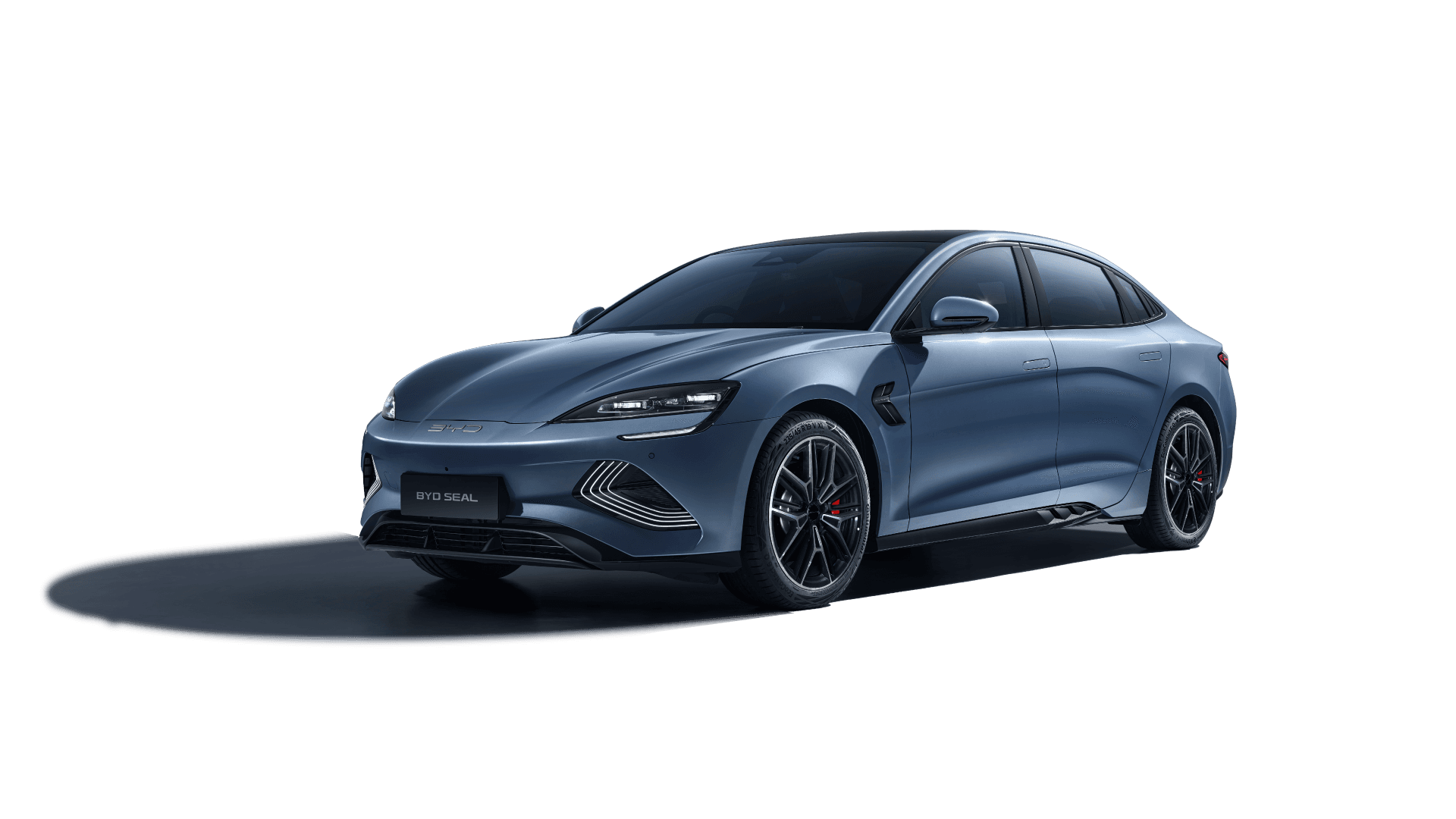
The India-spec Seal Performance AWD turns the Seal into a genuine premium performance EV with dual-motor traction, 82.56 kWh battery capacity, and 150 kW DC charging without crossing into German-luxury pricing.
Useful if long-distance confidence matters most.
Charging convenience depends on the network near you.
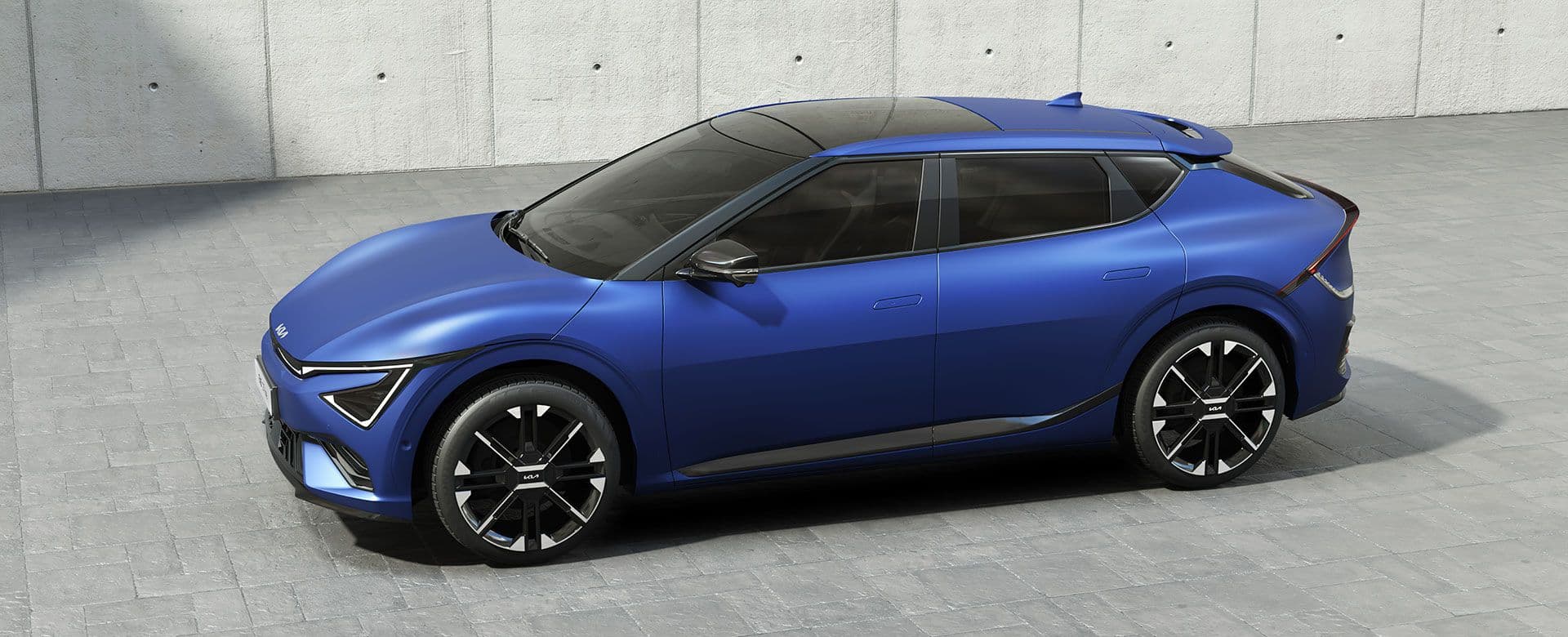
The India-spec EV6 GT-Line AWD remains one of the clearest premium fast-charging EV options because it combines 84 kWh battery capacity, 800-volt hardware, and a 663 km certified range claim.
Useful if long-distance confidence matters most.
Charging convenience depends on the network near you.
What tips the decision
What keeps it honest
Common questions
Choose the Seal Performance if you want the more driver-led premium EV with sedan dynamics; choose the EV6 if faster charging and crossover practicality matter more than the sedan format.
The biggest differences are these: The Seal Performance brings dual-motor AWD and harder acceleration without pushing into German-luxury sedan pricing; and The EV6 keeps the stronger high-power charging story and a more flexible crossover cabin for mixed family use.
The main tradeoffs are these: The Seal's 580 km figure is an India-market NEDC claim, so it should not be treated as a direct cycle win over the Kia; and The EV6 asks buyers to accept the crossover shape and higher price if what they really want is a performance-led electric sedan.
Sources
Reviewed 2026-04-17
Next step
Other comparison pages
Browse the rest of the curated comparison pages for this market.