This comparison is most useful when both cars look viable and you need the decision to break on charging, value, or day-to-day fit.
Comparison detail
The Harrier.ev earns its place with larger-SUV space and stronger range for highway family use, while the iX1 LWB is the cleaner answer if premium-brand ownership and compact-city usability matter more than outright size.
Use this comparison to break the tie on charging, value, and fit, then validate the winner with your own city-level charging and running-cost reality.
| Spec | Tata Harrier.evEmpowered 75 | BMW iX1 LWBeDrive20L M Sport |
|---|---|---|
| Price & cost | ||
| Price (ex-showroom, from) | ₹27.49 L | ₹52.40 L |
| Running cost (est.) | ≈ ₹1.1/km | ≈ ₹1.1/km |
| Performance | ||
| 0–100 km/h | 6.3 s | 8.6 s |
| Top speed | 180 km/h | 175 km/h |
| Drive | Single motor RWD | Single motor FWD |
| Range & charging | ||
| Range | 627 km (Mixed) | 531 km (Mixed) |
| Efficiency | 8.4 km/kWh | 8.0 km/kWh |
| Battery | 75 kWh | 66.4 kWh |
| Fast charge (10–80%) | 20-80% : 25 mins | 130 kW DC (10-80%) |
| DC charging (peak) | 120 kW | 130 kW |
| Home charge (full AC) | ~10.7 h | ~6.5 h |
| AC charging | 7.2 kW | 11 kW |
| Connector | CCS2 | CCS2 |
| Space & practicality | ||
| Boot space | 502 L | — |
| Ground clearance | 205 mm | 170 mm |
| Length | 4607 mm | 4616 mm |
| Seats | 5 | 5 |
| Body style | Large crossover | Compact crossover |
| Safety | ||
| Safety rating | 5★ Bharat NCAP | Not rated in India |
| Airbags | 7 | 8 |
| ADAS | Level 2 | Level 2 |
| Features | ||
| Sunroof | Yes | Yes |
| Ventilated seats | Yes | No |
| Vehicle-to-Load (V2L) | Yes | — |
| Touchscreen | 14.5" | 10.7" |
| Verdict | ||
| Best for | FamiliesHighway travelLarge-SUV EV shoppers | Urban luxury buyersCompact familiesBrand-led ownership confidence |
| Verdict | Best for buyers who want a larger India EV SUV with credible touring range instead of simply stretching a smaller city-first platform. | Best for buyers who want a premium-badge electric SUV sized for city life without dropping into a smaller hatchback-style compromise. |
| Spec source | View source | View source |
This comparison is most useful when both cars look viable and you need the decision to break on charging, value, or day-to-day fit.
Decision path
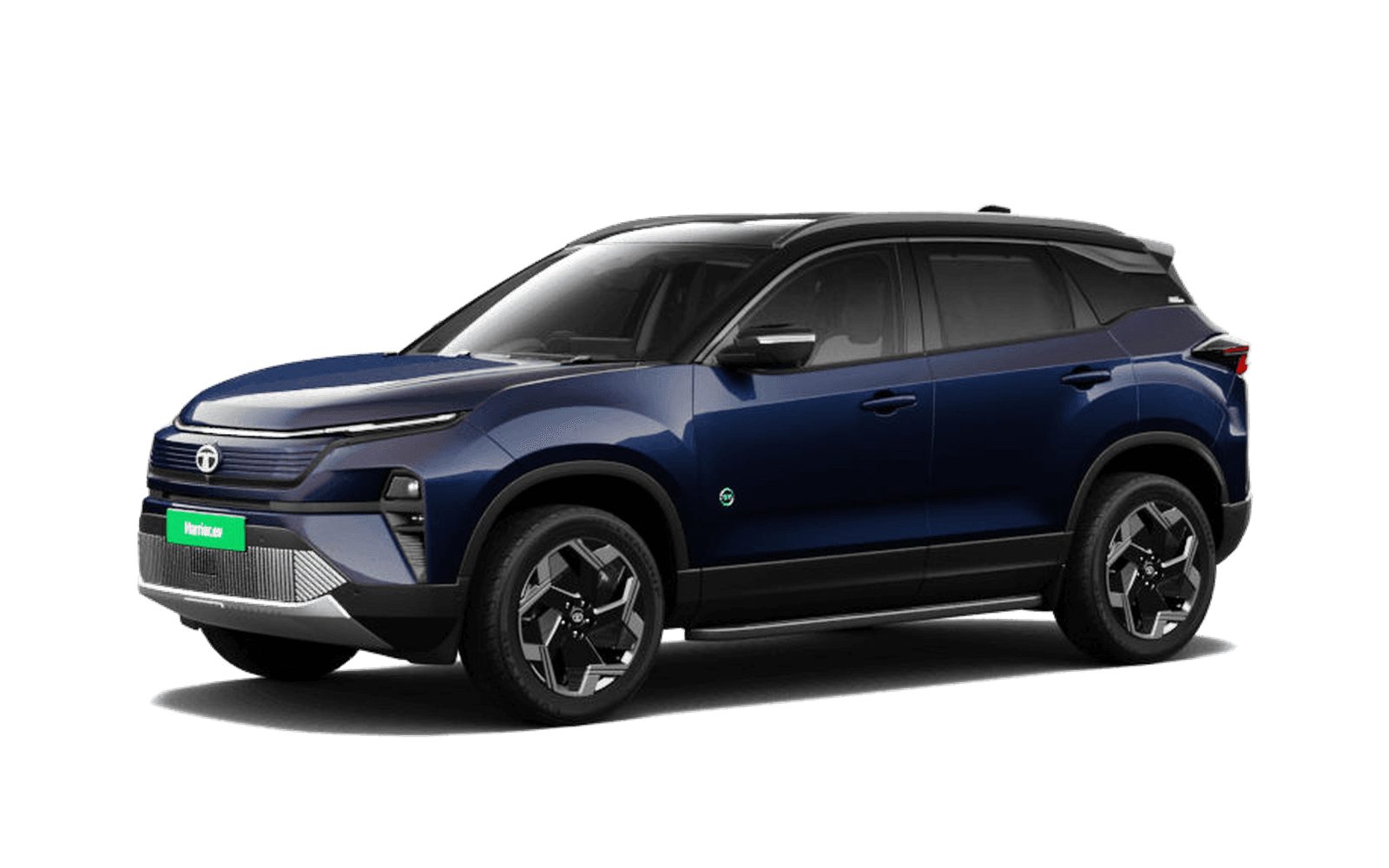
The Harrier.ev moves Tata into a more serious long-range family-SUV bracket with bigger-battery confidence and much faster highway top-ups than the older value-led EVs.
Useful if long-distance confidence matters most.
Charging convenience depends on the network near you.
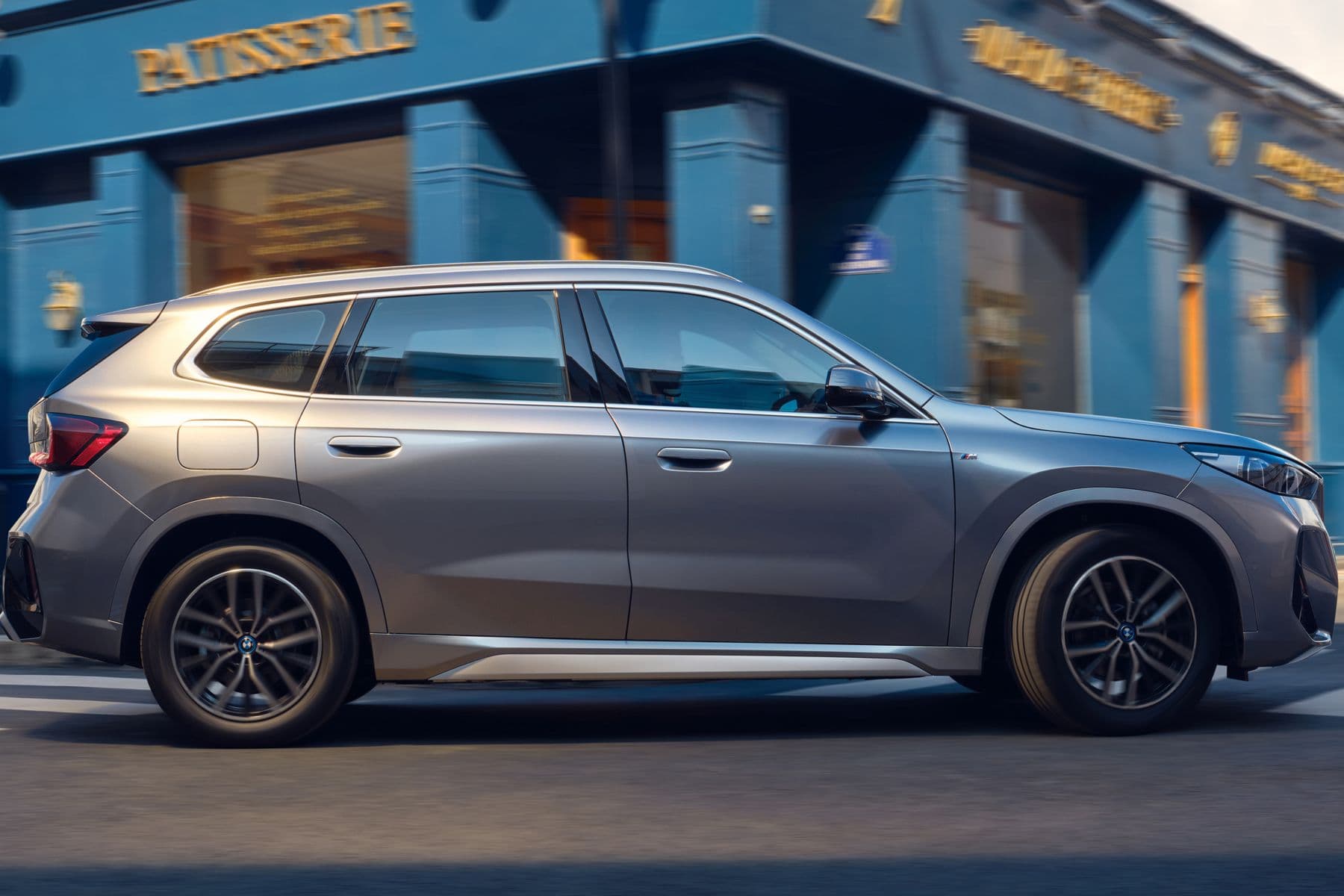
The iX1 LWB gives India buyers a compact luxury EV SUV with a genuinely usable rear seat, quick DC charging, and BMW-brand reassurance.
Useful if long-distance confidence matters most.
Charging convenience depends on the network near you.
What tips the decision
What keeps it honest
Common questions
Choose the Harrier.ev if you want the larger family SUV with more range headroom; choose the iX1 LWB if compact luxury and BMW-brand confidence matter more.
The biggest differences are these: The Harrier.ev makes more sense if the household genuinely needs a larger SUV for mixed family and highway use; and The iX1 LWB is easier to justify if you want a luxury-badge EV sized for dense city life.
The main tradeoffs are these: The Harrier.ev does not carry the same premium-brand pull if badge value matters to you; and The iX1 LWB gives up size and long-range family-SUV logic for a more compact luxury brief.
Sources
Reviewed 2026-03-19
Next step
Other comparison pages
Browse the rest of the curated comparison pages for this market.