This comparison is most useful when both cars look viable and you need the decision to break on charging, value, or day-to-day fit.
Comparison detail
The Sealion 7 Performance makes the stronger case if you want a larger battery, more cabin space, and a richer range claim, while the EC40 stays compelling if faster 200 kW charging and a more compact premium-crossover footprint matter more.
Use this comparison to break the tie on charging, value, and fit, then validate the winner with your own city-level charging and running-cost reality.
| Spec | BYD Sealion 7Performance | Volvo EC40Twin Motor |
|---|---|---|
| Price & cost | ||
| Price (ex-showroom, from) | ₹54.90 L | ₹59.00 L |
| Running cost (est.) | ≈ ₹1.4/km | ≈ ₹1.4/km |
| Performance | ||
| 0–100 km/h | 4.5 s | 4.7 s |
| Top speed | 215 km/h | 180 km/h |
| Drive | Dual motor AWD | Dual motor AWD |
| Range & charging | ||
| Range | 542 km (Mixed) | 530 km (WLTP) |
| Efficiency | 6.6 km/kWh | 6.5 km/kWh |
| Battery | 82.56 kWh | 82 kWh |
| Fast charge (10–80%) | 10-80% at 230kW | 27 min at 150 kW DC |
| DC charging (peak) | 150 kW | 200 kW |
| Home charge (full AC) | — | ~8 h |
| AC charging | 11 kW | 11 kW |
| Connector | CCS2 | CCS2 |
| Space & practicality | ||
| Boot space | 500 L | 413 L |
| Frunk | 58 L | — |
| Ground clearance | 163 mm | 177 mm |
| Length | 4830 mm | 4440 mm |
| Seats | 5 | 5 |
| Body style | Coupe SUV | Coupe SUV |
| Safety | ||
| Safety rating | Not rated in India | Not rated in India |
| Airbags | 11 | 7 |
| ADAS | Level 2 | Level 2 |
| Features | ||
| Sunroof | Yes | Yes |
| Ventilated seats | Yes | — |
| Vehicle-to-Load (V2L) | Yes | — |
| Touchscreen | 15.6" | 9" |
| Verdict | ||
| Best for | Performance-first premium EV buyersHighway-biased familiesAWD traction seekers | Premium compact-EV buyersDesign-led luxury shoppersDrivers who want AWD traction without flagship-SUV bulk |
| Verdict | Best for buyers who want a premium electric SUV with real AWD performance and do not want to give up long-range charging credibility just to get the faster trim. | Best for buyers who want a premium electric crossover that feels more design-led than a conventional compact SUV without giving up all-wheel-drive pace. |
| Spec source | View source | View source |
This comparison is most useful when both cars look viable and you need the decision to break on charging, value, or day-to-day fit.
Decision path
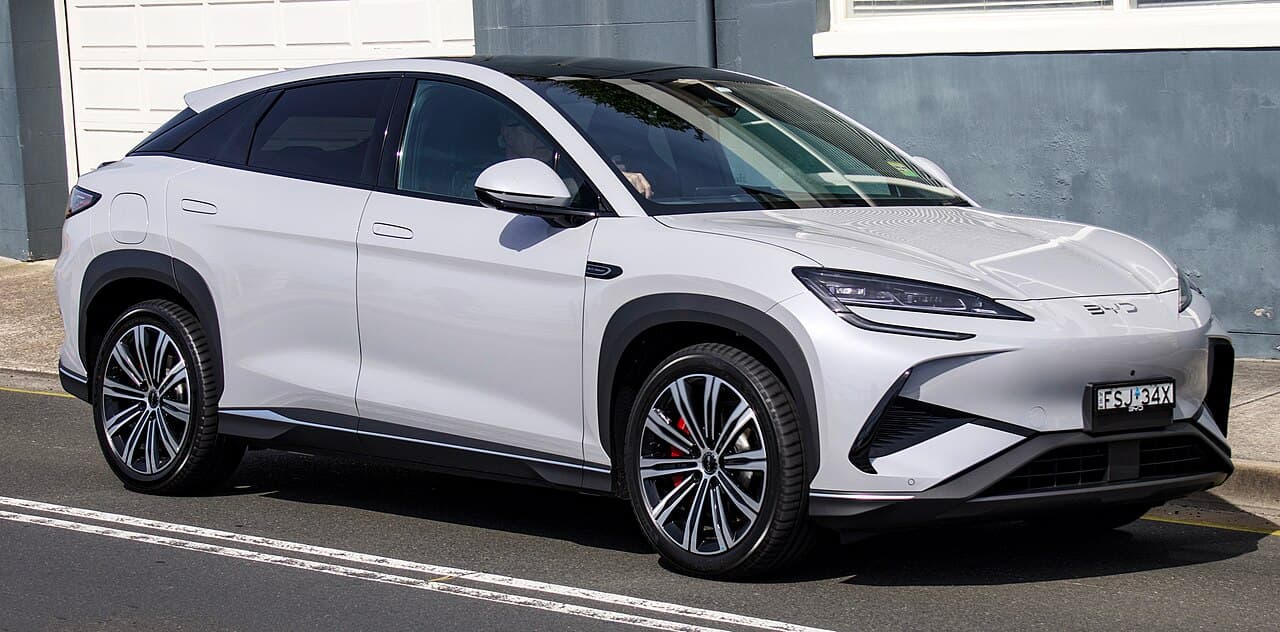
The India-spec Sealion 7 Performance keeps the same 82.56 kWh battery and 150 kW DC charging hardware as the Premium trim, then adds dual-motor AWD and a much harder official 0-100 km/h claim to give BYD a more serious premium electric-SUV performance answer.
Useful if long-distance confidence matters most.
Charging convenience depends on the network near you.
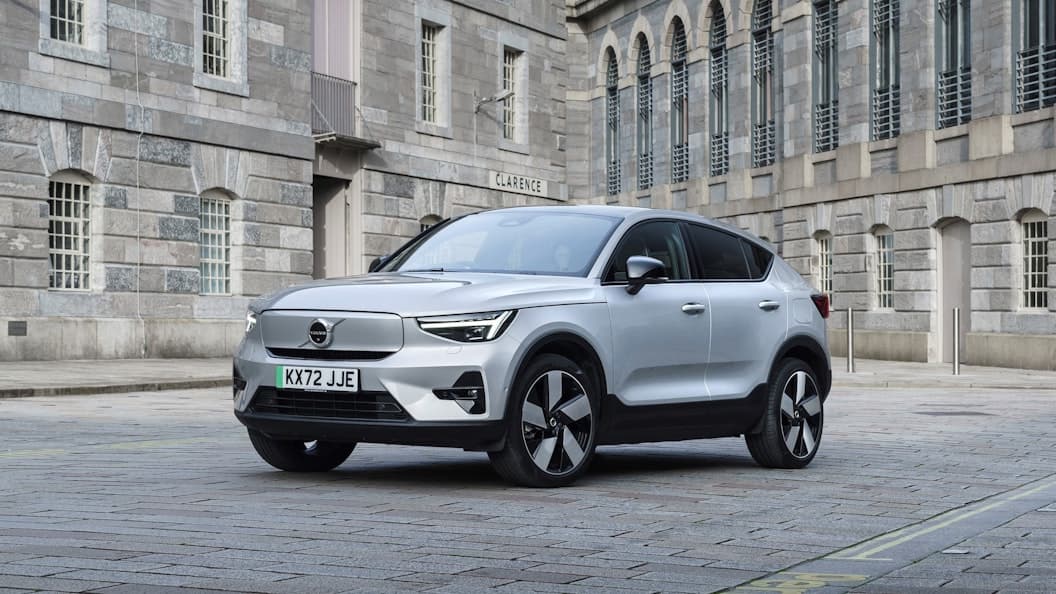
The India-spec EC40 Twin Motor gives Volvo a sleeker premium EV answer by combining the coupe-SUV body, 408 hp dual-motor drivetrain, 200 kW DC charging, and a still-serious 530 km official range claim.
Useful if long-distance confidence matters most.
Charging convenience depends on the network near you.
What tips the decision
What keeps it honest
Common questions
Choose the Sealion 7 Performance if battery size, AWD pace, and the larger SUV format matter more. Choose the EC40 if faster charging, smaller-footprint premium feel, and Volvo brand familiarity matter more.
The biggest differences are these: The BYD pairs dual-motor AWD with a larger battery and a longer official range claim than the EC40; and The Volvo keeps the stronger 200 kW charging ceiling and a more established premium-brand ownership story for buyers who value that reassurance.
The main tradeoffs are these: The BYD's 542 km number is an India-market NEDC claim, so it should not be treated as a direct cycle win over Volvo's latest published 530 km figure; and The EC40 is easier to park and easier to justify if you want a smaller premium EV, but it gives away some battery size and interior space next to the bigger Sealion 7.
Sources
Reviewed 2026-04-27
Next step
Other comparison pages
Browse the rest of the curated comparison pages for this market.