This comparison is most useful when both cars look viable and you need the decision to break on charging, value, or day-to-day fit.
Comparison detail
The EC40 Twin Motor makes the stronger case if you want a more design-led premium EV with faster DC charging and punchier AWD hardware, while the iX1 LWB still answers if a more familiar BMW luxury-SUV format and easier rear-seat packaging matter more than the coupe-crossover brief.
Use this comparison to break the tie on charging, value, and fit, then validate the winner with your own city-level charging and running-cost reality.
| Spec | Volvo EC40Twin Motor | BMW iX1 LWBeDrive20L M Sport |
|---|---|---|
| Price & cost | ||
| Price (ex-showroom, from) | ₹59.00 L | ₹52.40 L |
| Running cost (est.) | ≈ ₹1.4/km | ≈ ₹1.1/km |
| Performance | ||
| 0–100 km/h | 4.7 s | 8.6 s |
| Top speed | 180 km/h | 175 km/h |
| Drive | Dual motor AWD | Single motor FWD |
| Range & charging | ||
| Range | 530 km (WLTP) | 531 km (Mixed) |
| Efficiency | 6.5 km/kWh | 8.0 km/kWh |
| Battery | 82 kWh | 66.4 kWh |
| Fast charge (10–80%) | 27 min at 150 kW DC | 130 kW DC (10-80%) |
| DC charging (peak) | 200 kW | 130 kW |
| Home charge (full AC) | ~8 h | ~6.5 h |
| AC charging | 11 kW | 11 kW |
| Connector | CCS2 | CCS2 |
| Space & practicality | ||
| Boot space | 413 L | — |
| Ground clearance | 177 mm | 170 mm |
| Length | 4440 mm | 4616 mm |
| Seats | 5 | 5 |
| Body style | Coupe SUV | Compact crossover |
| Safety | ||
| Safety rating | Not rated in India | Not rated in India |
| Airbags | 7 | 8 |
| ADAS | Level 2 | Level 2 |
| Features | ||
| Sunroof | Yes | Yes |
| Ventilated seats | — | No |
| Touchscreen | 9" | 10.7" |
| Verdict | ||
| Best for | Premium compact-EV buyersDesign-led luxury shoppersDrivers who want AWD traction without flagship-SUV bulk | Urban luxury buyersCompact familiesBrand-led ownership confidence |
| Verdict | Best for buyers who want a premium electric crossover that feels more design-led than a conventional compact SUV without giving up all-wheel-drive pace. | Best for buyers who want a premium-badge electric SUV sized for city life without dropping into a smaller hatchback-style compromise. |
| Spec source | View source | View source |
This comparison is most useful when both cars look viable and you need the decision to break on charging, value, or day-to-day fit.
Decision path
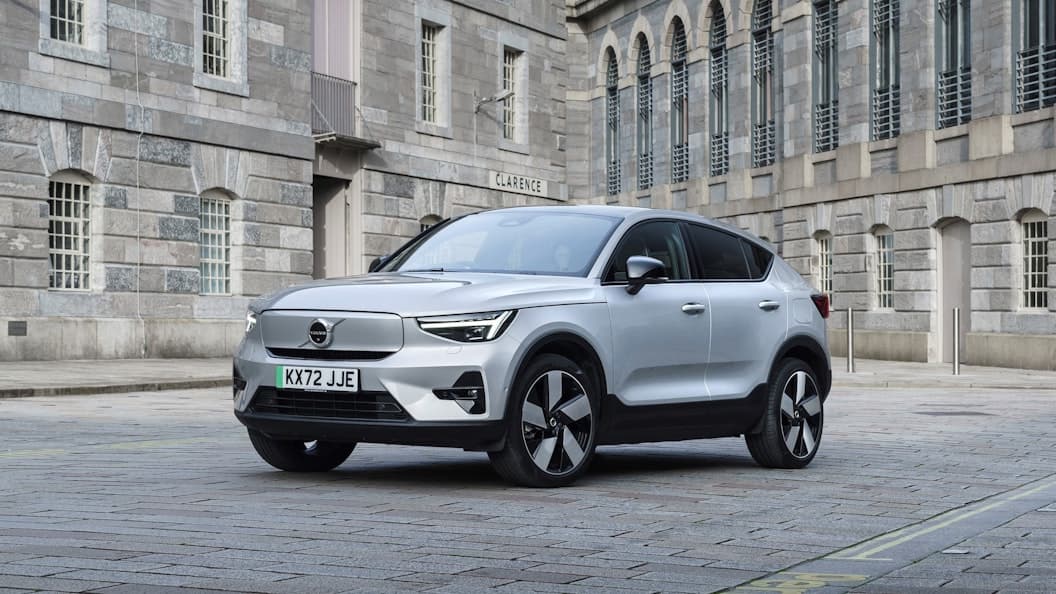
The India-spec EC40 Twin Motor gives Volvo a sleeker premium EV answer by combining the coupe-SUV body, 408 hp dual-motor drivetrain, 200 kW DC charging, and a still-serious 530 km official range claim.
Useful if long-distance confidence matters most.
Charging convenience depends on the network near you.
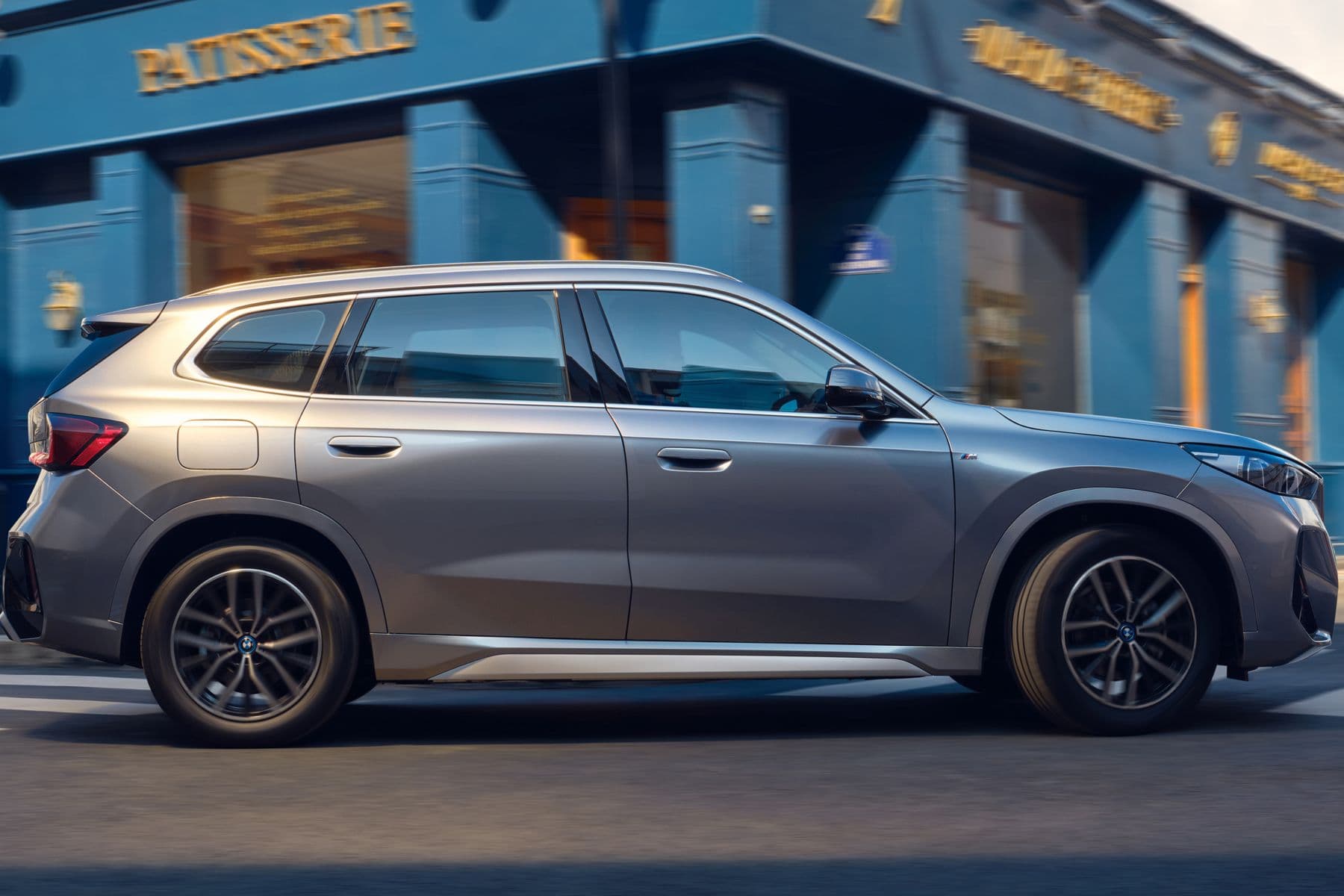
The iX1 LWB gives India buyers a compact luxury EV SUV with a genuinely usable rear seat, quick DC charging, and BMW-brand reassurance.
Useful if long-distance confidence matters most.
Charging convenience depends on the network near you.
What tips the decision
What keeps it honest
Common questions
Choose the EC40 if design, charging pace, and stronger performance matter more; choose the iX1 LWB if conventional luxury-SUV familiarity and BMW badge pull matter more.
The biggest differences are these: The EC40 brings stronger DC charging hardware and a more dramatic design-led brief without moving into a larger flagship SUV; and The iX1 LWB is easier to justify if rear-seat space, upright SUV logic, and BMW's more conservative premium feel matter more than the Volvo's styling edge.
The main tradeoffs are these: The EC40's quoted range is still a preliminary India-site figure and its coupe roofline gives away some utility versus the boxier BMW; and The iX1 LWB asks buyers to accept weaker charging and range headroom if the priority is EV hardware rather than badge familiarity.
Sources
Reviewed 2026-04-19
Next step
Other comparison pages
Browse the rest of the curated comparison pages for this market.