This comparison is most useful when both cars look viable and you need the decision to break on charging, value, or day-to-day fit.
Comparison detail
The CRETA Electric 42 kWh makes the stronger case if you want a roomier, more familiar family-SUV ownership brief, while the Punch.ev 40 stays easier to justify if lower spend and compact-city usability matter more than stepping up in size.
Use this comparison to break the tie on charging, value, and fit, then validate the winner with your own city-level charging and running-cost reality.
| Spec | Hyundai CRETA Electric42 kWh | Tata Punch.evEmpowered+ S 40 |
|---|---|---|
| Price & cost | ||
| Price (ex-showroom, from) | ₹18.99 L | ₹12.99 L |
| Running cost (est.) | ≈ ₹0.9/km | ≈ ₹0.8/km |
| Performance | ||
| 0–100 km/h | — | 9.0 s |
| Drive | Single motor FWD | Single motor FWD |
| Range & charging | ||
| Range | 420 km (Mixed) | 468 km (Mixed) |
| Efficiency | 10.0 km/kWh | 11.7 km/kWh |
| Battery | 42 kWh | 40 kWh |
| Fast charge (10–80%) | — | 10-80% in 26 min |
| DC charging (peak) | 100 kW | 50 kW |
| Home charge (full AC) | — | ~5.3 h |
| AC charging | 11 kW | 7.2 kW |
| Connector | CCS2 | CCS2 |
| Space & practicality | ||
| Boot space | 433 L | 366 L |
| Ground clearance | 190 mm | 195 mm |
| Length | 4340 mm | 3880 mm |
| Seats | 5 | 5 |
| Body style | Compact crossover | Compact crossover |
| Safety | ||
| Safety rating | Not rated in India | 5★ Bharat NCAP |
| Airbags | 6 | 6 |
| ADAS | — | None |
| Features | ||
| Sunroof | — | Yes |
| Ventilated seats | No | Yes |
| Vehicle-to-Load (V2L) | Yes | — |
| Touchscreen | 10.25" | 10.24" |
| Verdict | ||
| Best for | FamiliesICE compact-SUV switchersHome-charging households | City familiesFirst-time EV buyersDaily mixed use |
| Verdict | Best for buyers who want a recognizable family EV with Hyundai backing and do not need the long-range version's extra battery headroom. | Best for buyers who want a compact electric crossover that feels easier and more approachable than the larger, pricier long-range EV SUVs. |
| Spec source | View source | View source |
This comparison is most useful when both cars look viable and you need the decision to break on charging, value, or day-to-day fit.
Decision path
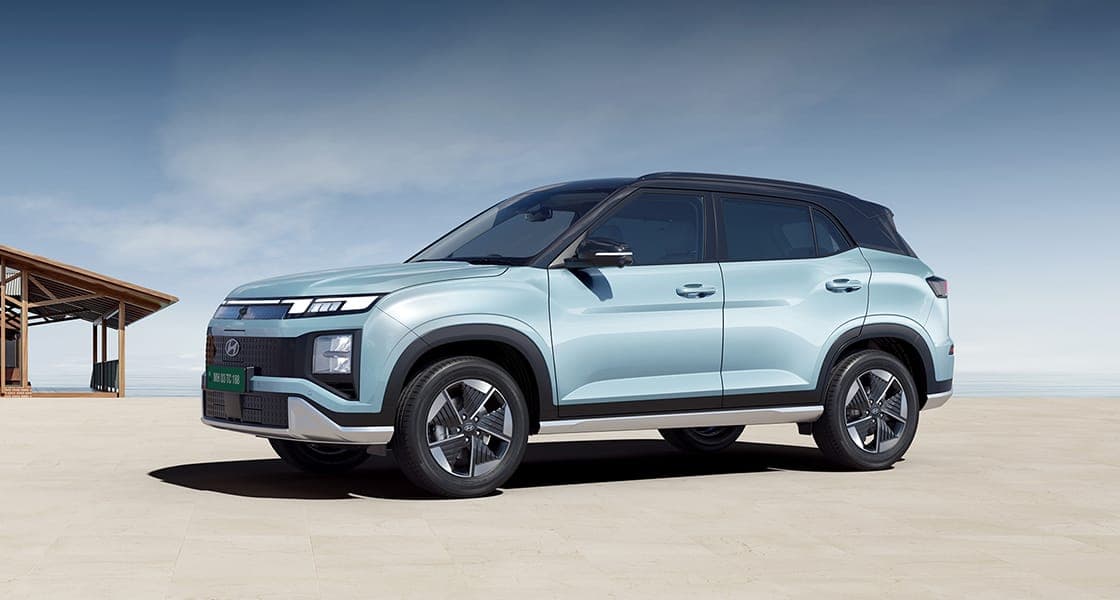
The 42 kWh CRETA Electric keeps the familiar family-SUV brief intact while trimming the battery and spend to a more defendable mainstream India EV position.
Useful if long-distance confidence matters most.
Charging convenience depends on the network near you.
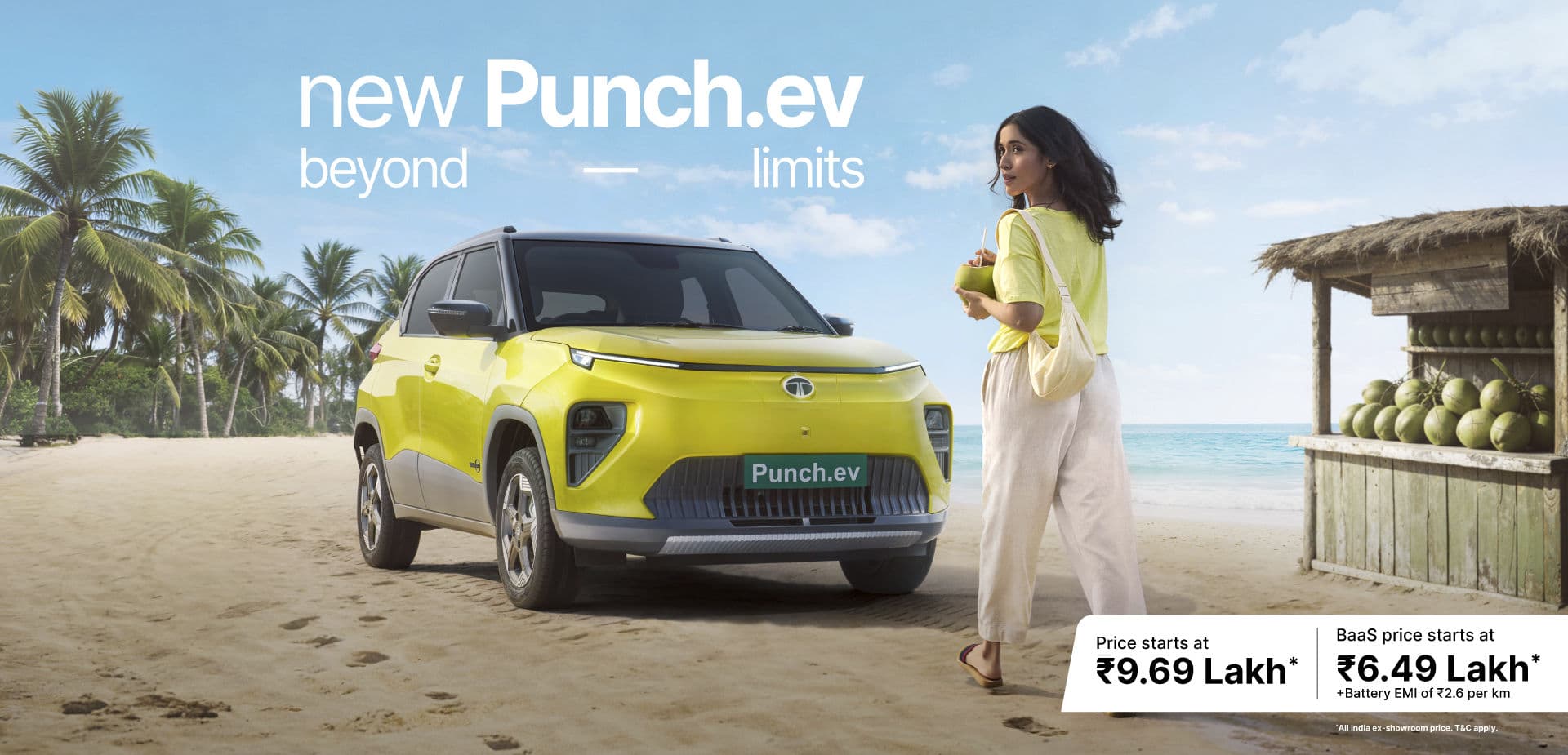
The Punch.ev broadens Tata's India EV case by combining compact-SUV packaging with a 40 kWh battery, faster DC charging, and range that is easier to trust beyond city use.
Useful if long-distance confidence matters most.
Charging convenience depends on the network near you.
What tips the decision
What keeps it honest
Common questions
Choose the CRETA Electric 42 kWh if family space and Hyundai-brand reassurance matter more; choose the Punch.ev 40 if value and easier city sizing matter more.
The biggest differences are these: The CRETA Electric gives buyers a larger-feeling family SUV with 11 kW AC charging and a cleaner mainstream ownership brief; and The Punch.ev 40 undercuts it on cost while still offering a useful 40 kWh battery and quicker-to-park compact footprint.
The main tradeoffs are these: The CRETA's 42 kWh version gives away some battery headroom, so the step-up only makes sense if the bigger-SUV brief is the point; and The Punch.ev still asks buyers to accept a smaller cabin and Tata's more compact-crossover positioning if the family uses the rear seat regularly.
Sources
Reviewed 2026-04-25
Next step
Other comparison pages
Browse the rest of the curated comparison pages for this market.