Snapshot
What is live for Tata right now
9 vehicles • 3 reviews • 11 comparisons
3 used-EV guides • Updated 2026-10-05
Brand hub
Start here when Tata electric cars are already on your shortlist and you want every live model page, review, comparison, and used-EV guide in one place before you decide which car deserves the next hour of research.
It groups together the live pages already published for Tata electric cars. Every linked page carries its own sources and review dates.
Snapshot
9 vehicles • 3 reviews • 11 comparisons
3 used-EV guides • Updated 2026-10-05
Recommended next stops
Vehicles
Open the vehicle profile when you want the verdict, key tradeoffs, charging context, and official source links in one place.
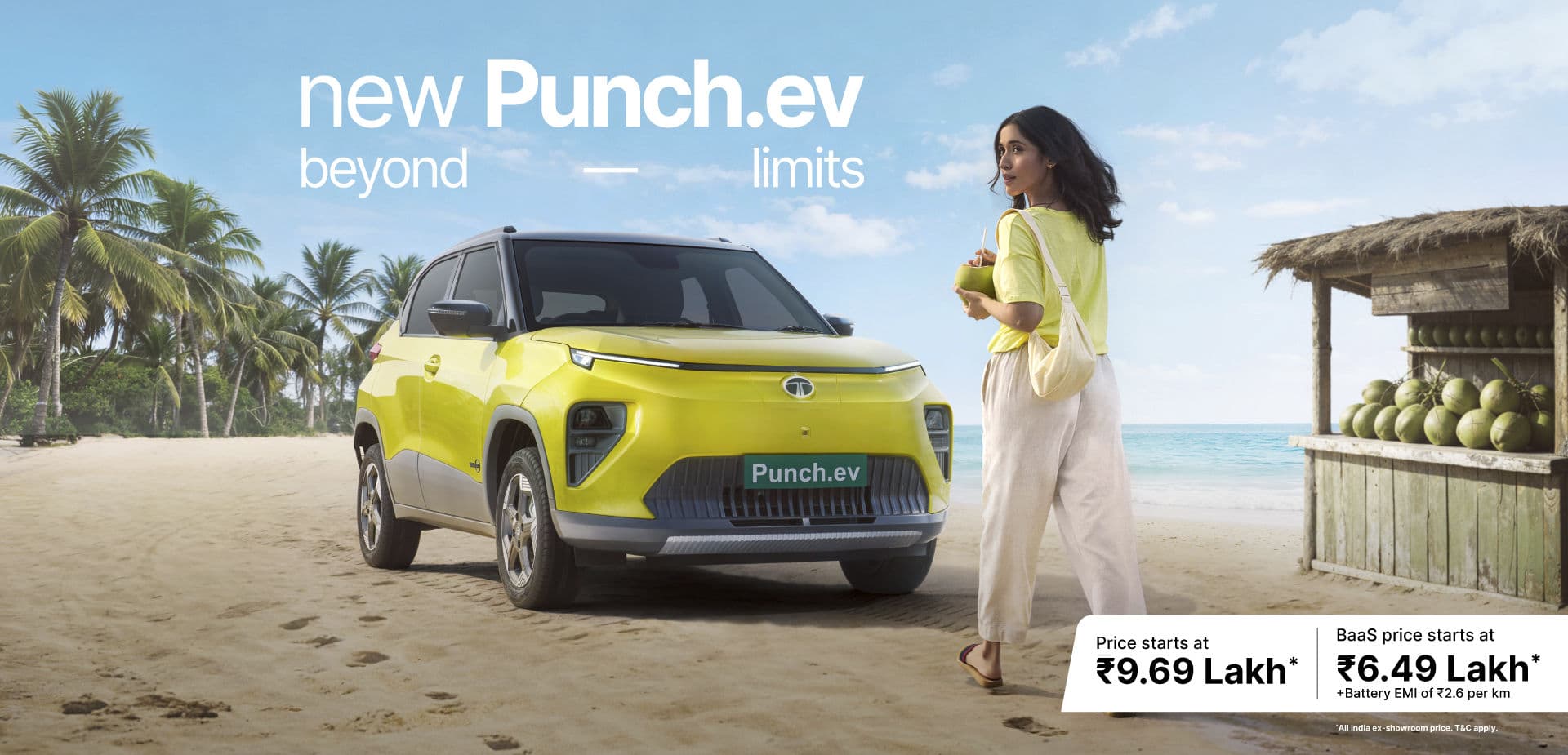
The Punch.ev broadens Tata's India EV case by combining compact-SUV packaging with a 40 kWh battery, faster DC charging, and range that is easier to trust beyond city use.

The Tiago.ev Creative Plus 24 LR stays relevant because it keeps the price barrier lower than most India EVs while still delivering a 24 kWh battery, 285 km certified range, and usable home-charging flexibility.
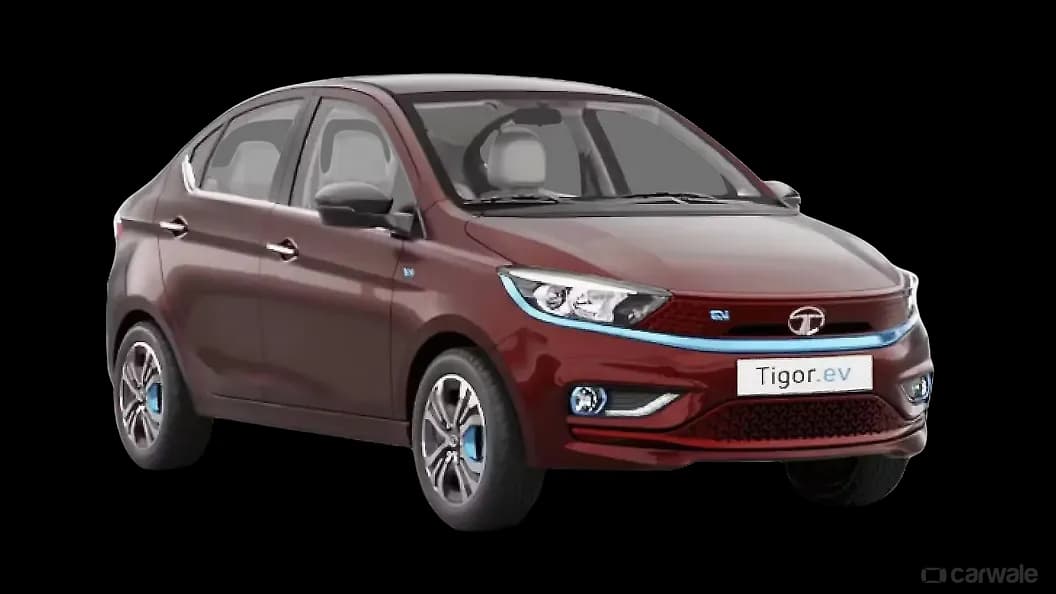
The Tigor.ev XZ+ Lux remains a credible India entry-point EV if you want sedan practicality, a 26 kWh battery, and a lower spend than the newer electric crossovers.
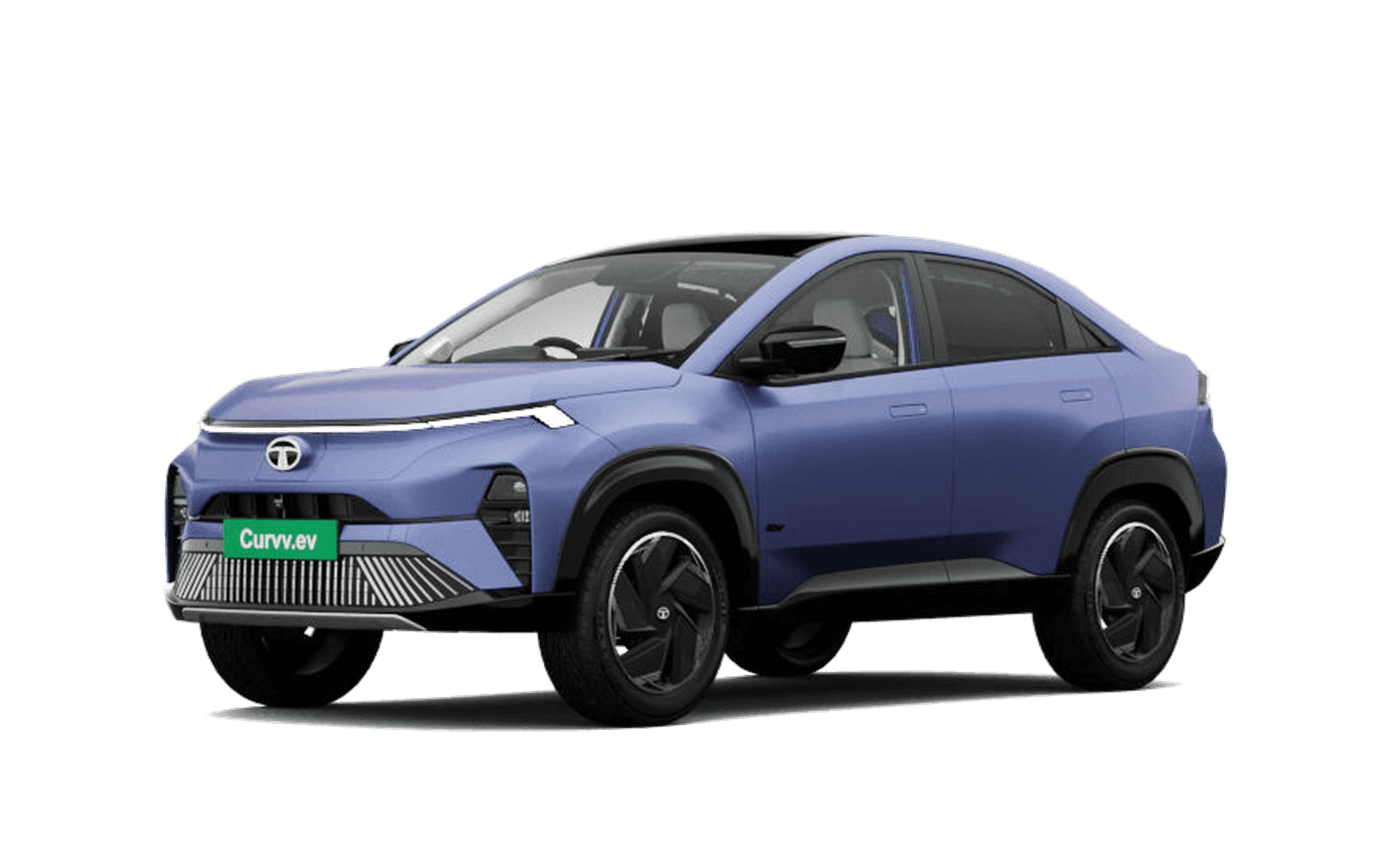
The Curvv.ev 55 gives India buyers a more design-led electric crossover without losing the range and charging speed needed for broader everyday use.
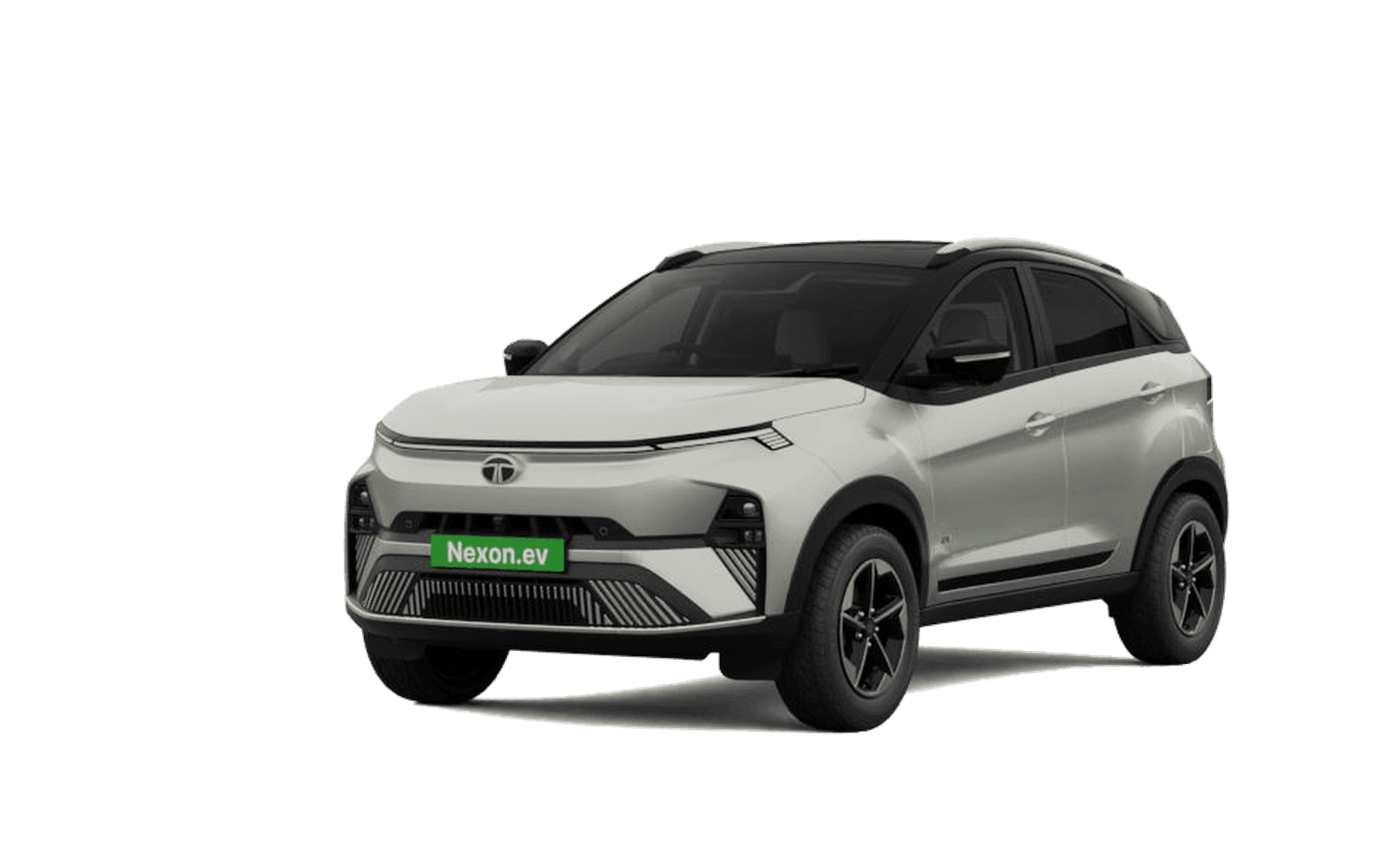
The Nexon.ev 45 is still one of the clearest mainstream EV choices in India because it balances manageable size, useful range, and a charging profile that is now easier to live with.
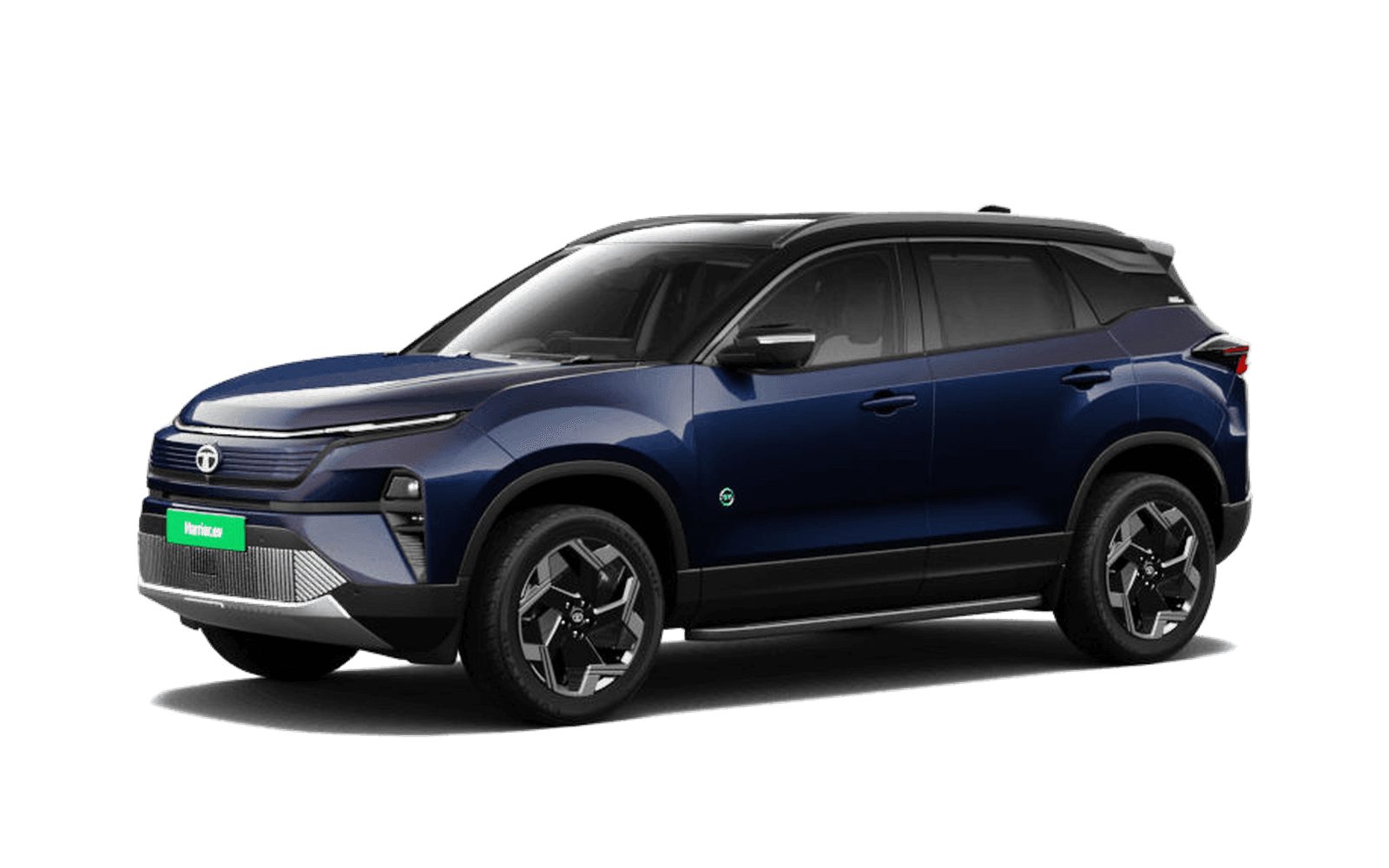
The Harrier.ev moves Tata into a more serious long-range family-SUV bracket with bigger-battery confidence and much faster highway top-ups than the older value-led EVs.
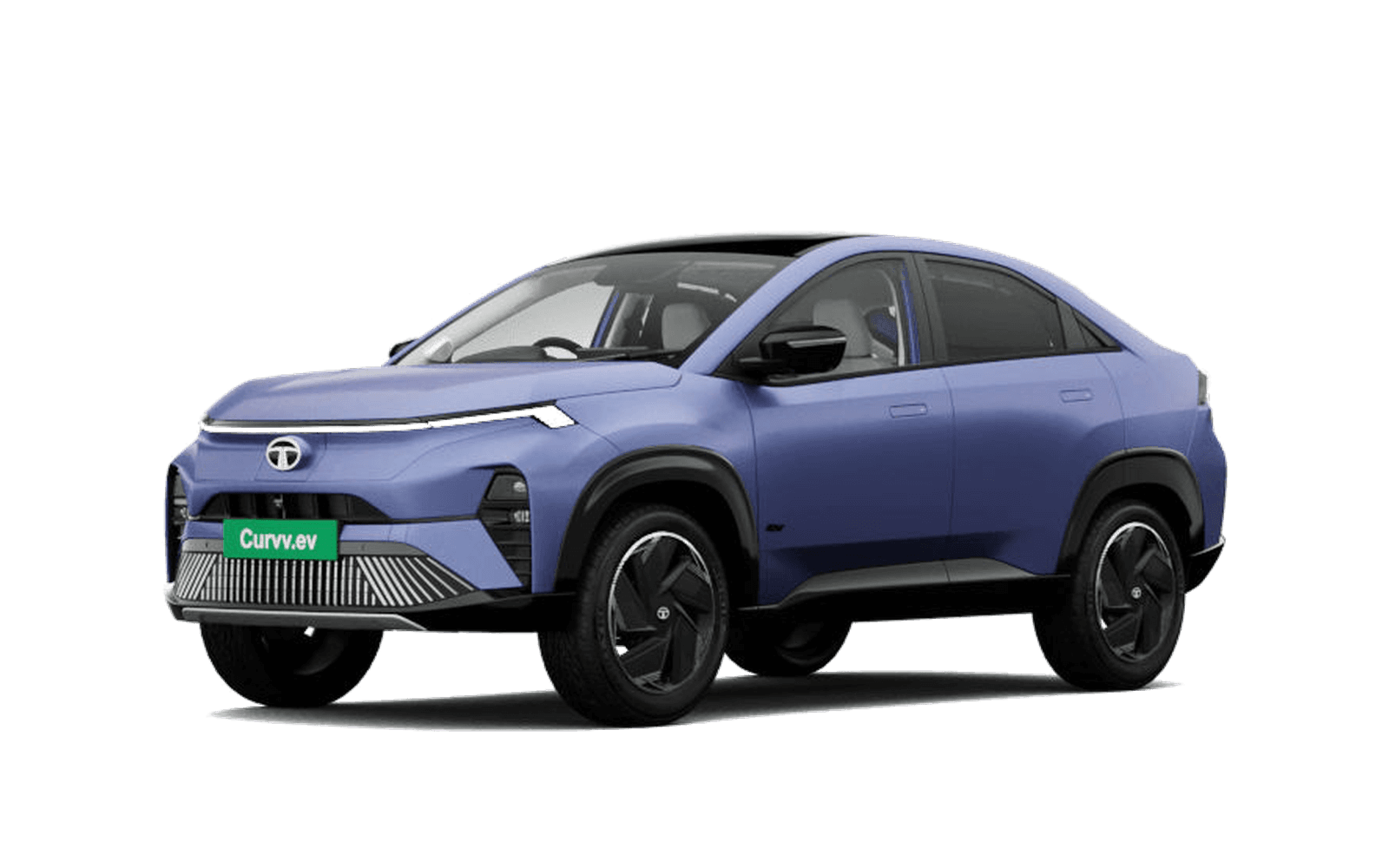
The Curvv.ev 45 keeps Tata's design-led electric crossover-coupe brief intact while lowering the battery and spend requirement enough to make the model line easier to justify for mainstream India EV buyers.
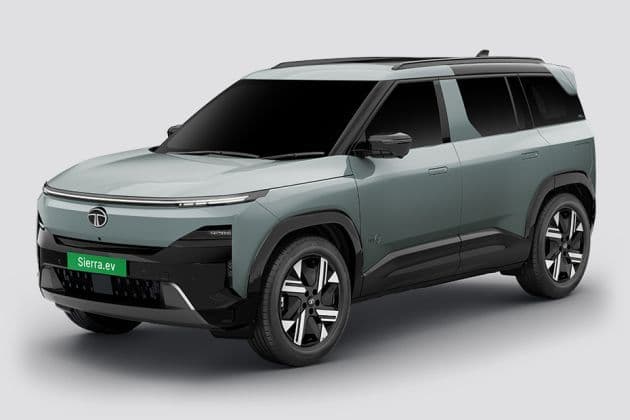
The Sierra EV is Tata's iconic SUV reborn electric; the Empowered A 75 AWD flagship pairs a 75 kWh battery and 624 km claimed range with dual-motor AWD (504 Nm), 120 kW DC charging (20-80% in 26 minutes), a 622-litre boot, triple-screen dash, head-up display, and Level 2+ ADAS.
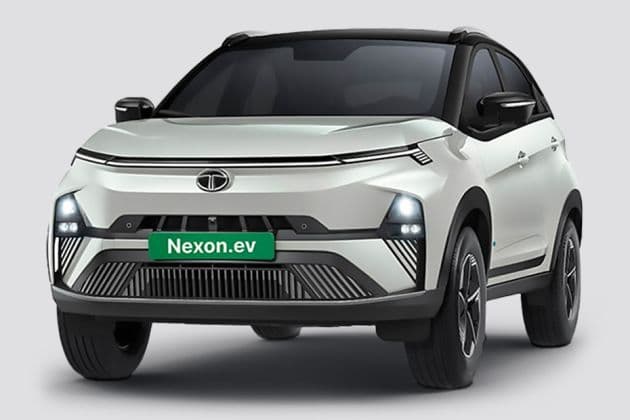
The Tata Nexon EV Creative Plus MR 30 kWh is the entry version of Tata's compact electric SUV: a 30 kWh battery claimed at 275 km, a 95 kW (127 bhp) PMSM front motor with 215 Nm, CCS-II fast charging at 50 kW for 10-80% in 56 minutes, a 7.2 kW wall box for 10-100% in 4 hours 18 minutes, 0-100 in 9.2 seconds, a 350-litre boot, 205 mm unladen ground clearance, four-level regenerative braking with Eco, City and Sport modes, six airbags with ESC and TPMS behind a 5-star Bharat NCAP rating, a 7-inch touchscreen with wireless Android Auto and CarPlay, and an 8-year / 160,000 km battery warranty, from ₹12.49 lakh ex-showroom.
Reviews
Reviews are where the shortlist gets sharper: buyer fit, charging reality, and the ownership tradeoffs that matter after the brochure stops sounding impressive.
The Nexon.ev 45 remains the safest mainstream place to start in India. It combines a manageable compact-SUV footprint, useful certified range, and charging performance that now feels credible for mixed city and occasional intercity use. It is not the biggest, quickest, or most luxurious EV in the segment, but it is still one of the easiest to justify when you want a first EV that does not make the ownership leap feel risky.
The Tigor.ev still makes sense because it solves a specific problem cleanly: you want a reasonably priced EV with a proper boot, conventional sedan shape, and enough range for city duty plus occasional short intercity use. It is not a modern long-distance fast charger and it does not feel as fresh as Tata’s newer born-EV launches, but for buyers who want a low-drama compact electric sedan, the ownership logic is still easy to understand.
The Curvv.ev 45 is the more interesting Tata EV for disciplined buyers because it keeps the model line's design appeal while trimming the battery and spend to a more defensible level. The brochure-backed 430 km MIDC claim, 60 kW+ DC charging support, and standard 7.2 kW wall-box story are enough to make it credible beyond city duty without pretending it is a premium highway special. The caveat is that the Curvv body style still asks you to care about design, so buyers who only want the safest compact-SUV answer may still find the Nexon.ev easier to justify.
Comparisons
Use the edited comparisons when two models survive the shortlist and you need the tradeoffs stated plainly.
Choose the CRETA Electric if everyday family usability and familiar ownership matter more; choose the Curvv.ev if design and extra range headroom matter more.
Choose the Nexon.ev if you want the more rounded mainstream EV package; choose the XUV400 if cabin space and a simpler value story matter more.
Choose the ZS EV if you want a mature crossover package with a simple value story; choose the Nexon.ev if you want the stronger all-round mainstream shortlist entry.
Choose the BE 6 if charging speed, range headroom, and design matter more; choose the Harrier.ev if you want the larger family-SUV play.
Choose the Harrier.ev if you want the larger family SUV with more range headroom; choose the iX1 LWB if compact luxury and BMW-brand confidence matter more.
Choose the Comet EV if city parking, low running burden, and second-car duty define the brief; choose the Nexon.ev if your EV needs to do real family and highway work.
Choose the Windsor EV if comfort and rear-seat usability matter more; choose the Curvv.ev if design and broader mixed-use range confidence matter more.
Choose the Tigor.ev if you want a compact electric sedan with a proper boot; choose the Tiago.ev if urban ease, lower weight, and the cleaner value story matter more.
Choose the eC3 if you want the newer alternative with a bigger battery on paper; choose the Tiago.ev if service confidence and a more established entry-EV ownership path matter more.
Choose the CRETA Electric 42 kWh if family space and Hyundai-brand reassurance matter more; choose the Punch.ev 40 if value and easier city sizing matter more.
Choose the Curvv.ev 45 if design and a roomier-feeling step up from smaller EVs matter more; choose the Nexon.ev 45 if you want the safer all-round compact-SUV default.
Common questions
The Tata electric cars available in India covered on EVMotorworld are: Tata Punch.ev, Tata Tiago.ev, Tata Tigor.ev, Tata Curvv.ev, Tata Nexon.ev, Tata Harrier.ev, Tata Sierra EV, Tata Nexon EV. Each one has a live model page with a plain-language verdict, key specs, charging notes, and source links.
Claimed range across the Tata electric lineup available in India spans 275 km (Tata Nexon EV Creative Plus MR 30 kWh, Mixed) to 627 km (Tata Harrier.ev Empowered 75, Mixed). Real-world range is typically lower — each model page shows a realistic band.
The Tata Harrier.ev Empowered 75 leads the Tata lineup available in India with a claimed 627 km (Mixed) from its 75 kWh battery.
Used EV guidance
These guides are where battery risk, inspection steps, and used-buying questions get spelled out more clearly.
In India, the battery is still the hardest part of a used EV to price correctly from a listing alone. Start with battery warranty, full-charge range, charging behaviour, and authorised-service history before you negotiate anything else.
A used EV inspection in India should focus on battery health, charging behaviour, authorised-service history, and whether the car still fits your local charging reality. Cosmetic condition comes later.
The Nexon.ev is the most common used EV in India and one of the easiest to buy second-hand — but the lineup has changed significantly across generations, and FAME subsidy rules affect what you can buy and when you can resell.