This comparison is most useful when both scooters look viable and you need the decision to break on charging, value, or day-to-day fit.
Scooter comparison
Both scooters target price-led city commuting, but they differ on performance character and ownership style: Ola leans on higher top speed and a software-led experience, while TVS leans on a calmer family-scooter brief and mainstream service comfort.
Use this comparison to break the tie on charging, value, and fit, then validate the winner with your own running-cost estimate.
| Spec | Ola S1 X2 kWh | TVS iQube2.2 kWh |
|---|---|---|
| Price & cost | ||
| Reference price | ₹84,999 | ₹1,20,124 |
| Running cost (est.) | ≈ ₹0.28/km | ≈ ₹0.30/km |
| Performance | ||
| Top speed | 101 km/h | 75 km/h |
| Motor power | 7 kW | 4.4 kW |
| Battery & charging | ||
| Battery | 2 kWh | 2.2 kWh |
| Real-world range | 55-75 km | 60-70 km |
| Efficiency | 33 km/kWh | 30 km/kWh |
| Charge time | — | ~3.4 hrs |
| Fast / 0–80% charge | 0-80% in 4.5 hrs | 0-80% in 2.45 hrs |
| DC fast charge | Ola markets S1 X as supporting Hypercharger top-ups, but that remains an Ola-network fast-charge story rather than open public DC coverage. | No |
| Space & practicality | ||
| Under-seat storage | 34 L | 30 L |
| Kerb weight | 105 kg | 115 kg |
| Ground clearance | 160 mm | 157 mm |
| Wheel size | 12 inch | 12-inch / 12-inch |
| Brakes | Disc / Drum, CBS | Disc / Drum, SBT |
| Features | ||
| Display | Digital | Digital |
| Connected (app/Bluetooth) | Yes | Yes |
| Riding modes | 3 | 2 |
| Hill hold | — | No |
| Water resistance | IP67 | IP67 |
| Warranty | Battery 3 yr / 50,000 km | 3 yr / 50,000 km |
| Verdict | ||
| Best for | Budget-first buyers who still want a higher top speed than conservative commuter scootersShort city commutes where home charging covers almost everythingBuyers who want the S1 X platform but can accept lower range headroom | Budget-first family scooter buyers who want a mainstream brand EVShort daily commutes where home charging covers almost everythingHouseholds prioritising service-network comfort over performance theatrics |
| Verdict | The S1 X 2 kWh is the price-led entry into Ola’s S1 X lineup. It only makes sense when your riding is genuinely city-first and you value the low upfront number more than range headroom. | The iQube 2.2 kWh is the most price-disciplined way into the iQube lineup: conservative performance, predictable everyday charging, and a mainstream service-network story. It makes the most sense when your daily distances are modest and you value lower-drama ownership over chasing range headlines. |
| Spec source | View source | View source |
This comparison is most useful when both scooters look viable and you need the decision to break on charging, value, or day-to-day fit.
Decision path
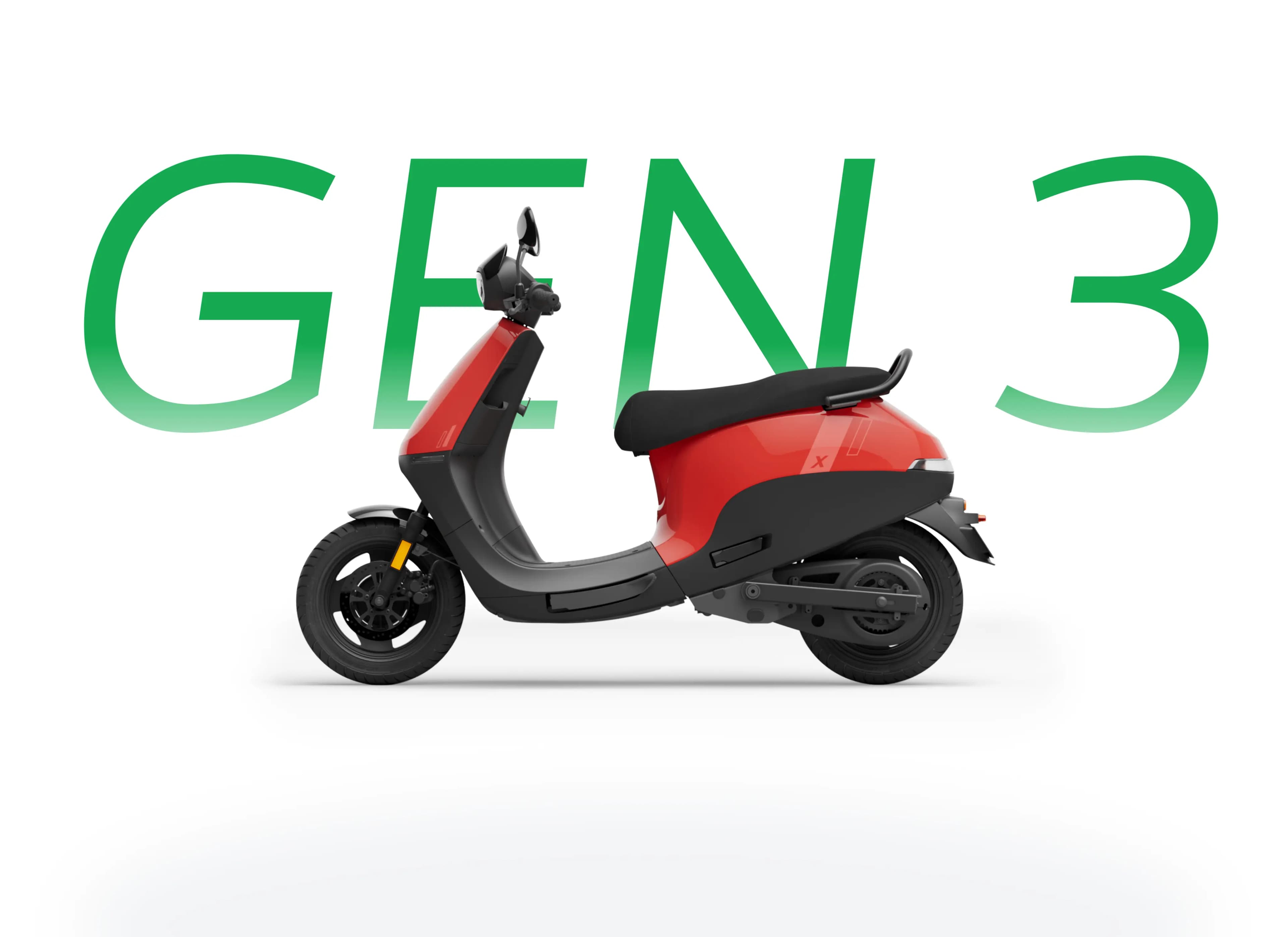
The S1 X 2 kWh is the price-led entry into Ola’s S1 X lineup. It only makes sense when your riding is genuinely city-first and you value the low upfront number more than range headroom.
Real-world estimate.
Check if it suits your roads.
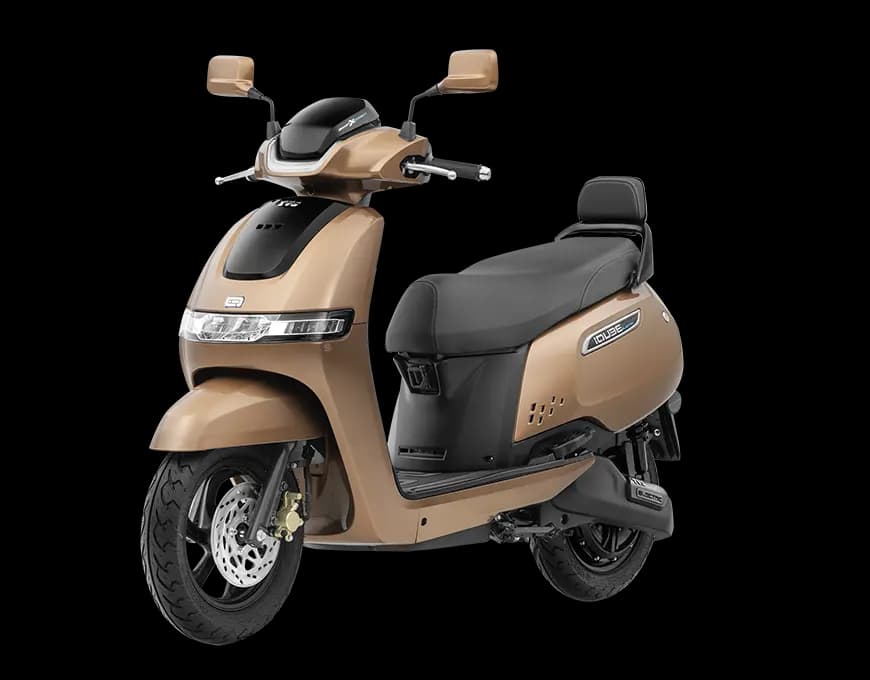
The iQube 2.2 kWh is the most price-disciplined way into the iQube lineup: conservative performance, predictable everyday charging, and a mainstream service-network story. It makes the most sense when your daily distances are modest and you value lower-drama ownership over chasing range headlines.
Real-world estimate.
Check if it suits your roads.
What tips the decision
What keeps it honest
Common questions
Choose the S1 X 2 kWh if you want more top-speed headroom and can accept Ola’s service variability. Choose the iQube 2.2 kWh if you want a calmer commuter and are prioritising mainstream service-network reassurance.
Real-world range is close: Ola S1 X gives about 55–75 km per charge and TVS iQube about 60–70 km. Neither has a range advantage you would notice day to day.
Ola S1 X is cheaper by about ₹35,100 ex-showroom: Ola S1 X ₹84,999 (verified 2026-10-05), TVS iQube ₹1,20,124 (verified 2026-10-04). On-road prices vary by state, insurance and dealer offers, so compare the final quotes.
Ola S1 X has no published full-charge time. Fast charging: Ola markets S1 X as supporting Hypercharger top-ups, but that remains an Ola-network fast-charge story rather than open public DC coverage.. TVS iQube takes about 3.4 hours to charge at home.
Key factors: Ola S1 X 2 kWh has materially higher top speed for faster arterial roads (101 km/h vs ~75 km/h); TVS iQube 2.2 kWh is a more conservative family-scooter ownership brief with a mainstream brand service story; Both are city-first scooters where home charging should cover most daily use; and Both publish IDC range figures, but each is best treated as a certified ceiling rather than an everyday expectation.
Tradeoffs to consider: Ola’s ownership experience depends heavily on city-by-city service maturity and software reliability; TVS iQube 2.2 kWh gives away performance and top-speed confidence once traffic opens up; and Neither is a true open public fast-charging story; plan around home or destination AC charging.
Sources
Reviewed 2026-06-01
Next step
Other scooter comparisons