This comparison is most useful when both scooters look viable and you need the decision to break on charging, value, or day-to-day fit.
Scooter comparison
The difference between the TVS iQube 2.2 kWh and 3.1 kWh is battery size and little else: the 2.2 kWh scooter is the budget-first city-commute option, while the 3.1 kWh scooter adds useful range headroom for heavier weeks on the same family-scooter platform.
Use this comparison to break the tie on charging, value, and fit, then validate the winner with your own running-cost estimate.
| Spec | TVS iQube2.2 kWh | TVS iQube3.1 kWh |
|---|---|---|
| Price & cost | ||
| Reference price | ₹94,434 | ₹1,00,000 |
| Running cost (est.) | ≈ ₹0.30/km | ≈ ₹0.32/km |
| Performance | ||
| Top speed | 75 km/h | 75 km/h |
| Motor power | 4.4 kW | 4.4 kW |
| Battery & charging | ||
| Battery | 2.2 kWh | 3.1 kWh |
| Real-world range | 60-70 km | 80-95 km |
| Efficiency | 30 km/kWh | 28 km/kWh |
| Charge time | ~3.4 hrs | ~5.1 hrs |
| Fast / 0–80% charge | 0-80% in 2.45 hrs | — |
| DC fast charge | No | No |
| Space & practicality | ||
| Under-seat storage | 30 L | 30 L |
| Kerb weight | 115 kg | 116.8 kg |
| Ground clearance | 157 mm | 157 mm |
| Wheel size | 12-inch / 12-inch | 12-inch / 12-inch |
| Brakes | Disc / Drum, SBT | Disc / Drum, SBT |
| Features | ||
| Display | Digital | Digital |
| Connected (app/Bluetooth) | Yes | Yes |
| Riding modes | 2 | 2 |
| Hill hold | No | No |
| Water resistance | IP67 | IP67 |
| Warranty | 3 yr / 50,000 km | 3 yr / 50,000 km |
| Verdict | ||
| Best for | Budget-first family scooter buyers who want a mainstream brand EVShort daily commutes where home charging covers almost everythingHouseholds prioritising service-network comfort over performance theatrics | Budget-first family-scooter buyers who want a mainstream brand EVCity commuting where daily distances are modest and predictableHouseholds prioritising service-network comfort over performance theatrics |
| Verdict | The iQube 2.2 kWh is the most price-disciplined way into the iQube lineup: conservative performance, predictable everyday charging, and a mainstream service-network story. It makes the most sense when your daily distances are modest and you value lower-drama ownership over chasing range headlines. | The iQube 3.1 kWh is the lower-cost iQube ownership brief: enough battery for everyday city use, conservative performance, and a mainstream service network story. It makes most sense when your commute is short enough that home charging covers almost everything and you want a low-drama family scooter rather than a sportier EV. |
| Spec source | View source | View source |
This comparison is most useful when both scooters look viable and you need the decision to break on charging, value, or day-to-day fit.
Decision path
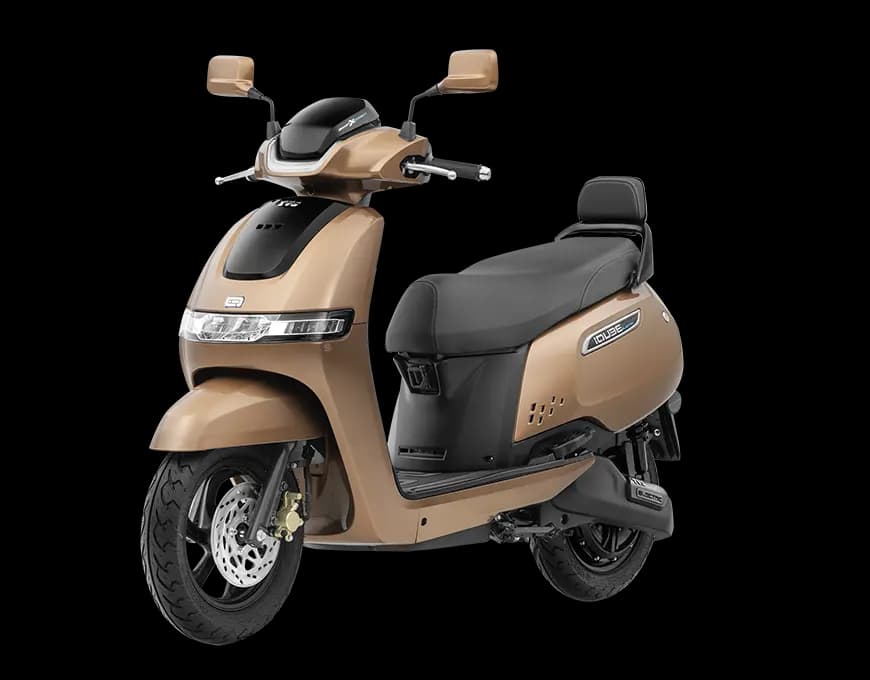
The iQube 2.2 kWh is the most price-disciplined way into the iQube lineup: conservative performance, predictable everyday charging, and a mainstream service-network story. It makes the most sense when your daily distances are modest and you value lower-drama ownership over chasing range headlines.
Real-world estimate.
Check if it suits your roads.
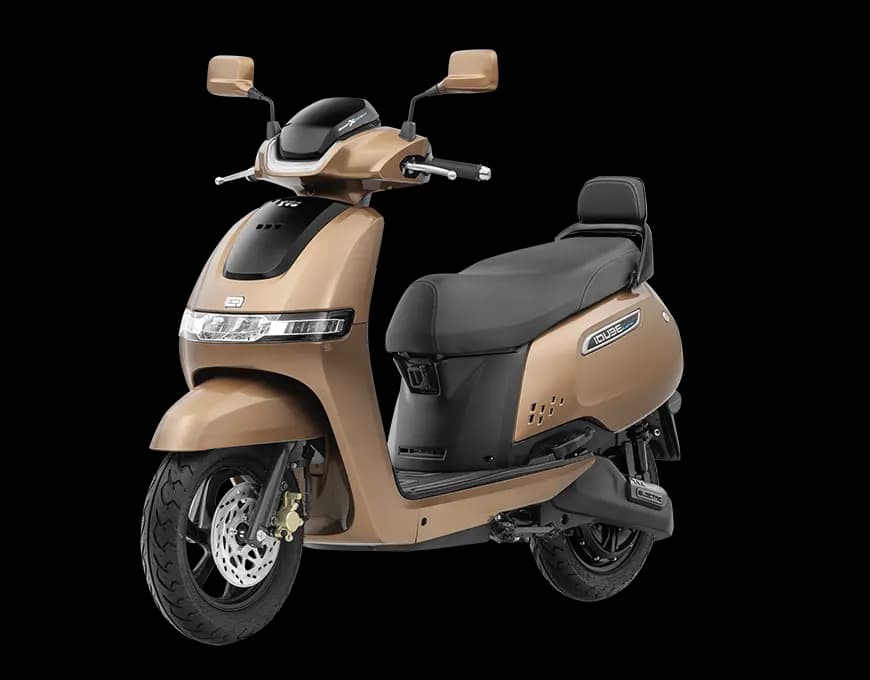
The iQube 3.1 kWh is the lower-cost iQube ownership brief: enough battery for everyday city use, conservative performance, and a mainstream service network story. It makes most sense when your commute is short enough that home charging covers almost everything and you want a low-drama family scooter rather than a sportier EV.
Real-world estimate.
Check if it suits your roads.
What tips the decision
What keeps it honest
Common questions
Choose the iQube 2.2 kWh if your daily distances are short and price discipline matters most. Choose the iQube 3.1 kWh if you want fewer charge-planning constraints and more buffer for weekend errands.
Key factors: iQube 2.2 kWh lowers the upfront spend while keeping the same mainstream-brand service confidence story; iQube 3.1 kWh adds meaningful range headroom for mixed-use city commuting and occasional longer days; Both remain conservative family scooters rather than performance-led city EVs, which helps if you want low-drama ownership; and Neither depends on proprietary DC charging networks — the ownership plan is home and destination AC.
Tradeoffs to consider: Neither variant has DC fast charging, so longer days still depend on slower AC charging and realistic planning; Official range and charge-time figures are IDC/0-80 style anchors; real-world results vary with speed, rider weight, and traffic conditions; and The 2.2 kWh scooter is easier to outgrow if your daily distance creeps up beyond short city commuting.
The 2.2 kWh iQube gives a realistic 60–70 km per charge and charges faster at home (around 3.4 hours); the 3.1 kWh version stretches real range to 80–95 km. Motor power (4.4 kW), 30-litre boot, 157 mm ground clearance, and features are the same — you are paying for battery and range, nothing else.
Expect roughly 60–70 km of real riding range from the iQube 2.2 kWh in city use. That comfortably covers a 20–25 km daily commute with buffer, but leaves little headroom for unplanned longer days.
If your daily riding stays under about 25–30 km and you can charge at home, the 2.2 kWh variant does the job for the lowest price. Pick the 3.1 kWh if your distances vary week to week or you often carry a pillion — the extra range buffer removes charge anxiety.
Sources
Reviewed 2026-07-14
Next step
Other scooter comparisons