This comparison is most useful when both scooters look viable and you need the decision to break on charging, value, or day-to-day fit.
Scooter comparison
The iQube 3.5 kWh makes the cleaner sense if service confidence and low-drama everyday commuting matter more, while the S1 X+ 4 kWh stays easier to justify if you want much stronger top-speed and certified-range headroom for the money.
Use this comparison to break the tie on charging, value, and fit, then validate the winner with your own running-cost estimate.
| Spec | TVS iQube3.5 kWh | Ola S1 X+4 kWh |
|---|---|---|
| Price & cost | ||
| Reference price | ₹1,08,993 | ₹1,02,499 |
| Running cost (est.) | ≈ ₹0.30/km | ≈ ₹0.29/km |
| Performance | ||
| Top speed | 78 km/h | 123 km/h |
| Motor power | 4.4 kW | 7 kW |
| Battery & charging | ||
| Battery | 3.5 kWh | 4 kWh |
| Real-world range | 95-115 km | 110-135 km |
| Efficiency | 30 km/kWh | 31 km/kWh |
| Charge time | ~5.6 hrs | ~6 hrs |
| Fast / 0–80% charge | — | 0-80% in 4.5 hrs |
| DC fast charge | No | Ola says S1 X Gen 3 supports Hypercharger top-ups from 10% to 70% in 35 minutes, but that remains an Ola-network fast-charge story rather than open public DC coverage. |
| Space & practicality | ||
| Under-seat storage | 30 L | 34 L |
| Kerb weight | 119.1 kg | 113 kg |
| Ground clearance | 157 mm | 160 mm |
| Wheel size | 12-inch / 12-inch | 12 inch |
| Brakes | Disc / Drum, SBT | Disc / Drum, CBS |
| Features | ||
| Display | Digital | Digital |
| Connected (app/Bluetooth) | Yes | Yes |
| Riding modes | 2 | 3 |
| Hill hold | No | — |
| Water resistance | IP67 | IP67 |
| Warranty | 3 yr / 50,000 km | Battery 3 yr / 50,000 km |
| Verdict | ||
| Best for | Conservative family-scooter buyers who want a mainstream-brand EVCommuters who value TVS service confidence over performance theatricsDaily mixed city and suburban use where easy charging matters more than speed | Performance-focused city commutersRiders who want stronger range headroom without S1 Pro pricingOla buyers in cities with mature service coverage |
| Verdict | The iQube 3.5 kWh is the sweet-spot conservative family scooter in TVS's lineup if you want a mainstream brand, usable everyday range, and lower-drama ownership more than flashy performance headlines. | The S1 X+ 4 kWh makes sense if you want Ola’s stronger battery and speed story without paying S1 Pro money. It is one of the more aggressive value-performance scooters in the segment, but the ownership case still depends on how much you trust Ola’s after-sales execution in your city. |
| Spec source | View source | View source |
This comparison is most useful when both scooters look viable and you need the decision to break on charging, value, or day-to-day fit.
Decision path
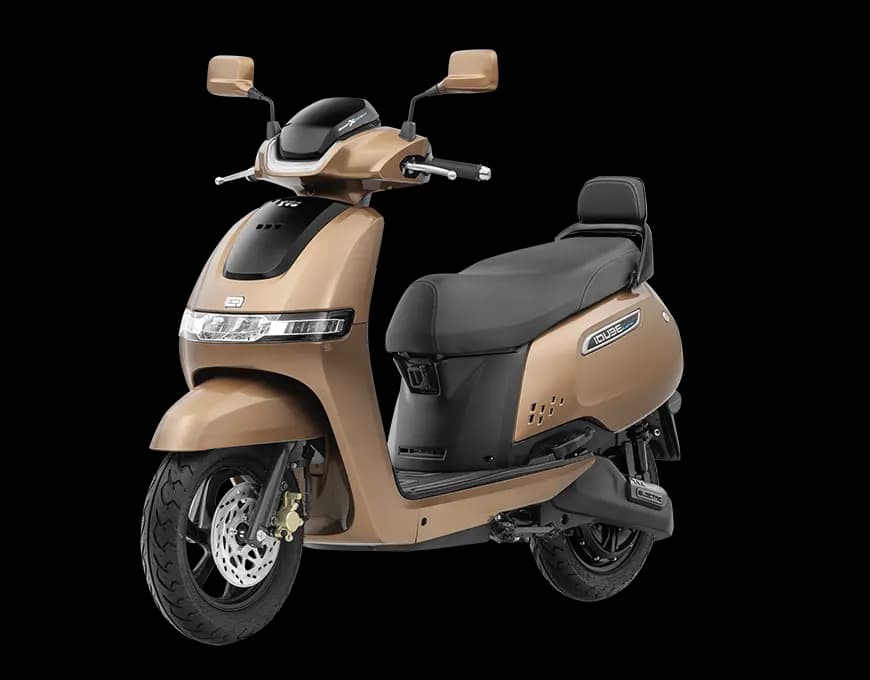
The iQube 3.5 kWh is the sweet-spot conservative family scooter in TVS's lineup if you want a mainstream brand, usable everyday range, and lower-drama ownership more than flashy performance headlines.
Real-world estimate.
Check if it suits your roads.
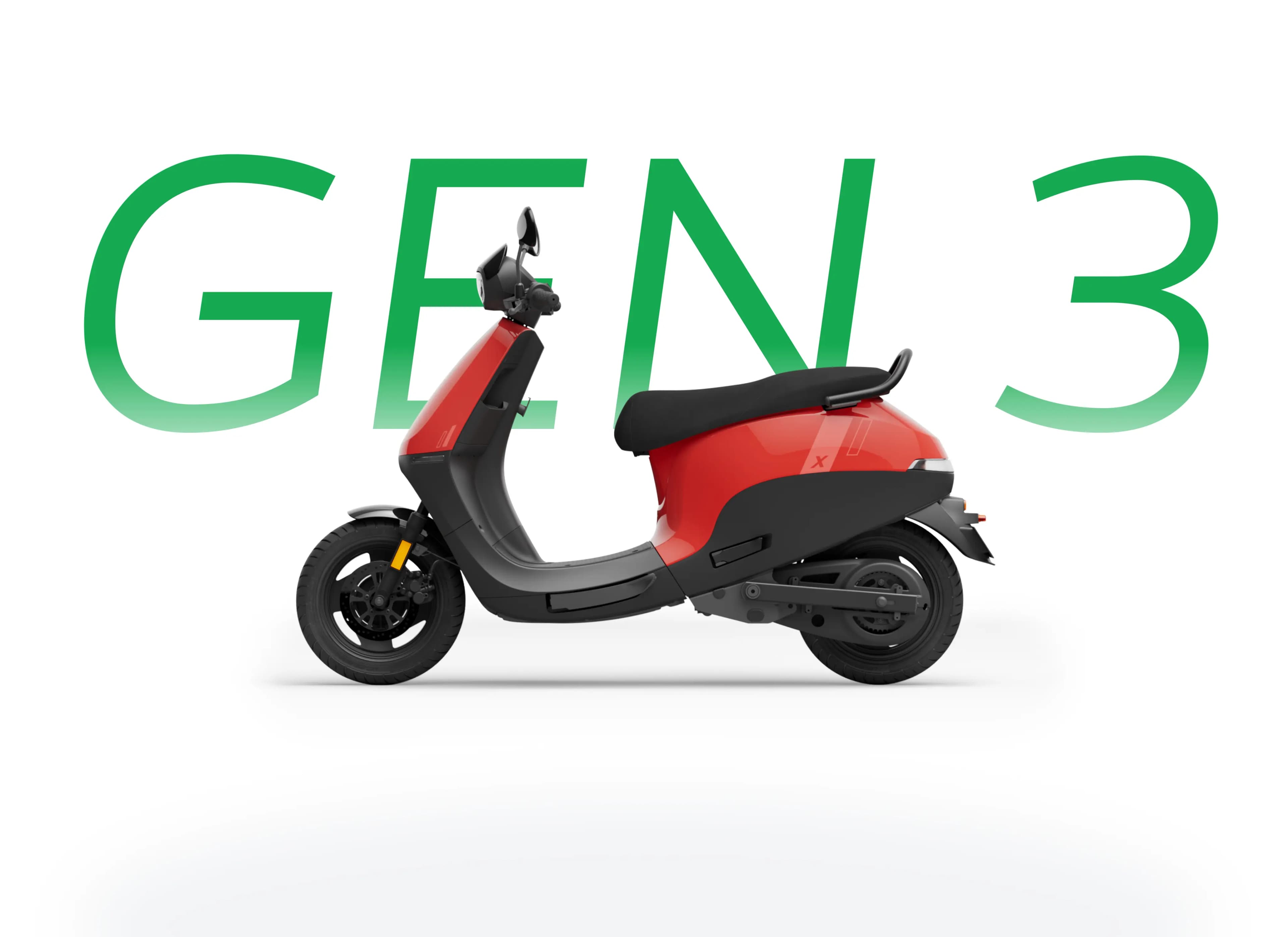
The S1 X+ 4 kWh makes sense if you want Ola’s stronger battery and speed story without paying S1 Pro money. It is one of the more aggressive value-performance scooters in the segment, but the ownership case still depends on how much you trust Ola’s after-sales execution in your city.
Real-world estimate.
Check if it suits your roads.
What tips the decision
What keeps it honest
Common questions
Choose the TVS if service reassurance and calmer everyday ownership matter more. Choose the Ola if performance and range-per-rupee matter more than the lower-drama brand story.
Key factors: TVS iQube 3.5 kWh benefits from a stronger mainstream-brand service and dealer confidence story than Ola in many cities; The Ola S1 X+ offers materially stronger top speed and larger certified range headroom for buyers who actually want the extra pace; The TVS feels easier to defend as a conservative family scooter with enough battery and everyday usability for ordinary commuting; and The Ola keeps an optional Hypercharger top-up story if that local network is genuinely useful in your city.
Tradeoffs to consider: The TVS 3.5 kWh real-world range band and full-charge figure here include conservative inferences from IDC and 0-80 data rather than a directly published mixed-use or 0-100 claim; Ola after-sales confidence and software maturity still vary too much city by city to ignore if ownership ease matters; and The TVS gives away the sharper acceleration and higher-speed flexibility that help make the Ola feel more versatile once traffic opens up.
Sources
Reviewed 2026-04-27
Next step
Other scooter comparisons