This comparison is most useful when both scooters look viable and you need the decision to break on charging, value, or day-to-day fit.
Scooter comparison
This choice is really about charging, not the scooter. The Activa e swaps batteries at Honda stations, so it suits riders with no charging point at home — as long as a swap station is nearby. The iQube charges from a home socket and goes a little further per charge.
Use this comparison to break the tie on charging, value, and fit, then validate the winner with your own running-cost estimate.
| Spec | Honda Activa e:Standard (Battery Swap) | TVS iQube3.5 kWh |
|---|---|---|
| Price & cost | ||
| Reference price | ₹1,19,445 | ₹1,45,200 |
| Running cost (est.) | ≈ ₹0.29/km | ≈ ₹0.30/km |
| Performance | ||
| Top speed | 80 km/h | 78 km/h |
| Motor power | 6 kW | 4.4 kW |
| Battery & charging | ||
| Battery | Swappable (3 kWh total) | 3.5 kWh |
| Real-world range | 85-100 km | 95-115 km |
| Efficiency | 31 km/kWh | 30 km/kWh |
| Charge time | Battery swap | ~5.6 hrs |
| DC fast charge | No | No |
| Space & practicality | ||
| Under-seat storage | — | 30 L |
| Kerb weight | 118 kg | 119.1 kg |
| Ground clearance | 171 mm | 157 mm |
| Wheel size | 12 inch | 12-inch / 12-inch |
| Brakes | Disc / Drum, CBS | Disc / Drum, SBT |
| Features | ||
| Display | — | Digital |
| Connected (app/Bluetooth) | — | Yes |
| Riding modes | 3 | 2 |
| Hill hold | No | No |
| Water resistance | IP65 | IP67 |
| Warranty | 3 years | 3 yr / 50,000 km |
| Verdict | ||
| Best for | Apartment owners with no private charging point at allBuyers in Delhi, Mumbai, or Bengaluru with nearby Honda swap coverageRiders who trust the Honda brand above all else | Conservative family-scooter buyers who want a mainstream-brand EVCommuters who value TVS service confidence over performance theatricsDaily mixed city and suburban use where easy charging matters more than speed |
| Verdict | Honda's battery-swap approach is one of the few genuine answers for riders without private charging. The product itself looks credible, but the ownership case still depends almost entirely on swap-station density in your city. | The iQube 3.5 kWh is the sweet-spot conservative family scooter in TVS's lineup if you want a mainstream brand, usable everyday range, and lower-drama ownership more than flashy performance headlines. |
| Spec source | View source | View source |
This comparison is most useful when both scooters look viable and you need the decision to break on charging, value, or day-to-day fit.
Decision path
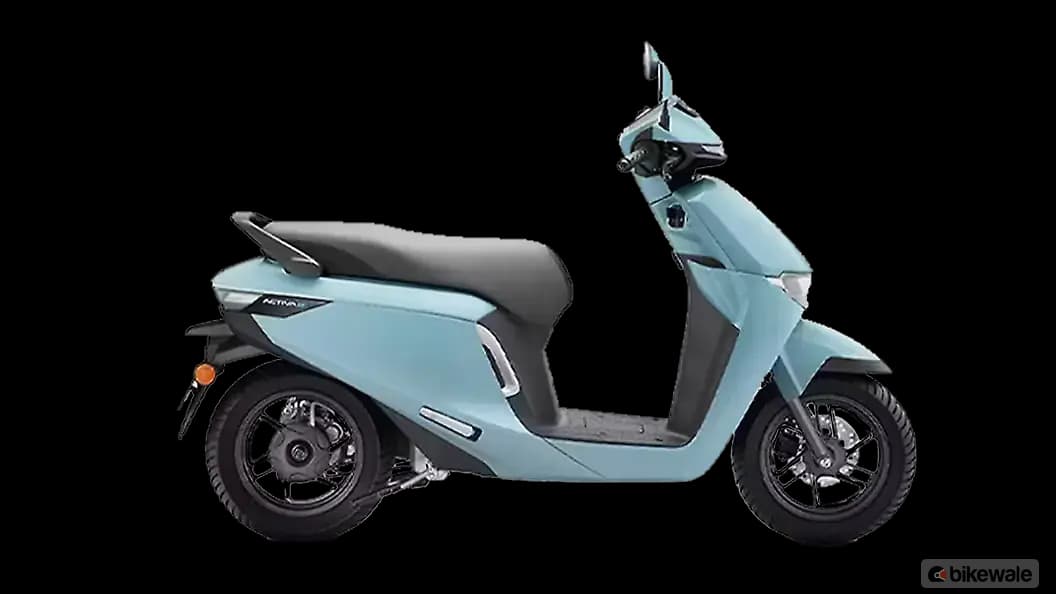
Honda's battery-swap approach is one of the few genuine answers for riders without private charging. The product itself looks credible, but the ownership case still depends almost entirely on swap-station density in your city.
Real-world estimate.
Check if it suits your roads.
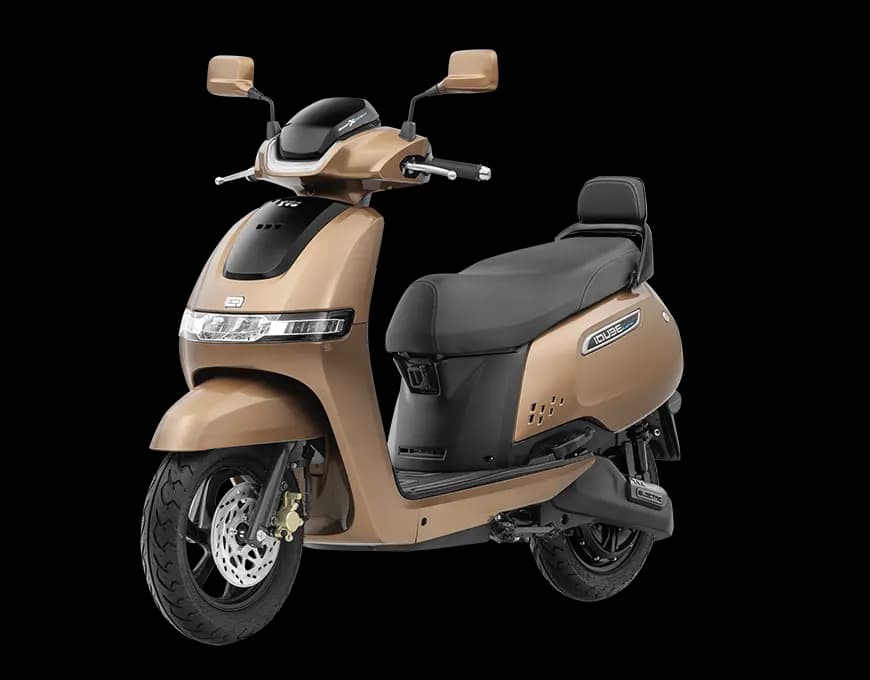
The iQube 3.5 kWh is the sweet-spot conservative family scooter in TVS's lineup if you want a mainstream brand, usable everyday range, and lower-drama ownership more than flashy performance headlines.
Real-world estimate.
Check if it suits your roads.
What tips the decision
What keeps it honest
Common questions
Pick the Honda Activa e only if you cannot charge where you park and Honda has swap stations along your daily route. Everyone with a home or office plug should pick the TVS iQube 3.5 kWh — it goes further, does not depend on a swap network and is easier to own in any city.
TVS iQube goes further: about 95–115 km of real-world range per charge versus 85–100 km for Honda Activa e — roughly 13 km more on a typical charge.
Honda Activa e is cheaper by about ₹25,800 ex-showroom: Honda Activa e ₹1,19,445 (verified 2026-03-29), TVS iQube ₹1,45,200 (verified 2026-10-04). On-road prices vary by state, insurance and dealer offers, so compare the final quotes.
Honda Activa e relies on battery swapping, so "charge time" depends on how close a swap station is rather than on a home charging session. TVS iQube takes about 5.6 hours to charge at home.
Key factors: The Activa e needs no home charging at all — a battery swap takes minutes at a Honda station; The iQube charges from a regular home socket and works in any city, with no dependence on swap-station coverage; The iQube goes further per charge: about 95–115 km real-world versus 85–100 km for the Activa e; The Activa e has the stronger motor (6 kW peak versus 4.4 kW) and higher ground clearance (171 mm versus 157 mm); and The iQube carries IP67 dust-and-water protection against IP65 on the Activa e.
Tradeoffs to consider: The Activa e is only as useful as Honda's swap network in your city — check station coverage before booking; Swap-battery running costs depend on Honda's subscription plan, so compare that against your home electricity cost; The iQube needs a safe, dedicated socket where you park — a problem for many apartment buyers; and Neither offers DC fast charging for longer trips.
The Activa e is designed around Honda's battery-swap stations rather than home charging. If you have no swap station nearby, the TVS iQube — which charges from a regular home socket — is the more practical choice.
Only if battery swapping fits your life. If you live in an apartment with no charging point and Honda swap stations are close to home and work, the Activa e removes charging hassle completely. If you can plug in at home, the iQube 3.5 kWh offers more range and does not depend on a network.
Sources
Reviewed 2026-10-04
Next step
Other scooter comparisons